

Lassonde Undergraduate Summer Research Conference 2026 Researchers
Get to know your researchers!
Project Presentations
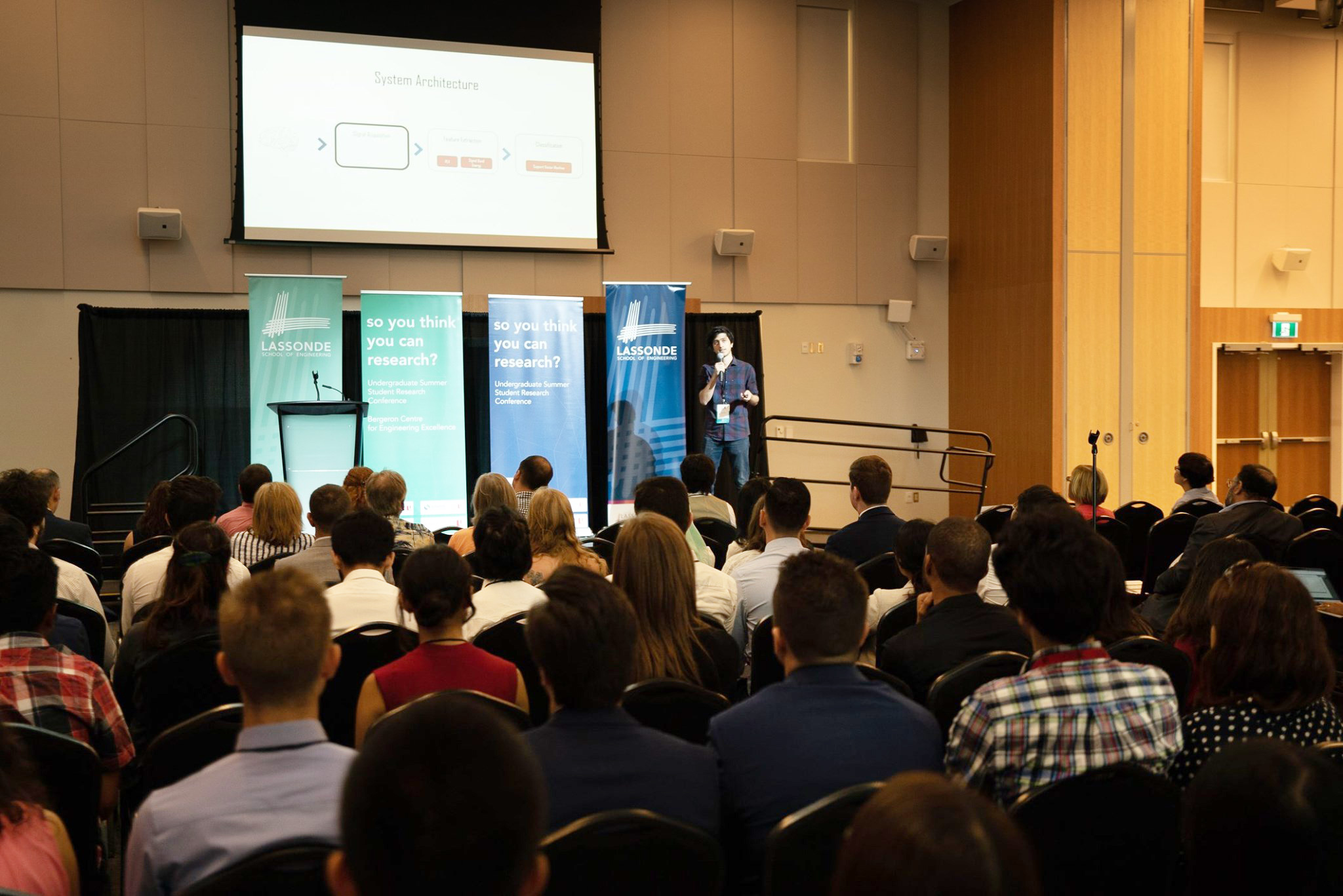
This year’s research conference includes project presentations of undergraduate students and their research experiences. Read firsthand as these students share their experiences and discuss the various research opportunities available to undergraduates. Explore a variety of topics and subject matter at this year’s conference. Learn about recent discoveries, cutting-edge research, and emerging technologies in fields such as bioprinting, AI-assisted automated monitoring platforms, bias in large language models, biomarker detection, and 3D printed systems.
Researchers
-
Civil Engineering

Aryan Momeniabnavi
Program: LURA
Supervisor: Dan Palermo
Profile: Aryan Momeniabnavi is a fourth-year Civil Engineering student at York University with a strong interest in structural design, structural analysis, and seismic performance of buildings. His interest in understanding how structures behave under different loading conditions led him to participate in this research. Through this opportunity, he hopes to gain hands-on experience in modelling, experimental testing, and the use of innovative materials to improve the safety and resilience of reinforced concrete structures.
Abstract Title: Modelling and Design of Slender Reinforced-Concrete Walls with Shape Memory Alloy Buckling-Restrained Braces under Sequential Seismic Loading
Authors: Aryan Momeniabnavi, Austin Martins-Robalino, Dan Palermo
Abstract: Conventional reinforced-concrete (RC) shear walls are designed to protect life during severe earthquakes, but they may experience substantial damage, residual drift, and loss of post-earthquake functionality. Although shape memory alloys (SMAs) have been studied extensively for seismic applications, the response of SMA-enhanced wall systems under closely spaced, successive earthquake demands remains insufficiently understood. This project investigates whether hybrid steel–SMA reinforcement and SMA buckling-restrained braces can improve the self-centering, durability, and post-earthquake serviceability of slender RC walls while maintaining adequate strength and ductility.Two wall configurations are being developed, intended to represent the response of structures subjected to sequential earthquake type loading:
- conventional steel-reinforced wall
- hybrid steel–SMA wall
Advanced nonlinear finite-element models were developed in VecTor3 to simulate the static, cyclic, and nonlinear behavior of the wall systems. The modelling approach was benchmarked against previously published experimental studies to verify that it could reasonably reproduce load–displacement response, hysteretic behavior, stiffness degradation, and residual deformation. Structural design calculations were completed in accordance with relevant Canadian requirements, including CSA A23.3, CSA S16, and the National Building Code of Canada. Detailed two- and three-dimensional AutoCAD drawings were also prepared for the wall geometry, reinforcement layouts, foundations, connection details, and experimental test setup. Material preparation and testing procedures for steel, SMA specimens, and buckling-restrained braces were developed using applicable ASTM standards.
The project is currently in the construction stage, and final experimental results are expected to be available by the end of 2026. Following construction, reverse-cyclic testing will be used to compare strength, stiffness degradation, crack development, energy dissipation, residual displacement, and self-centering capacity. The study is expected to clarify the feasibility of SMA-based systems for improving the resilience and repairability of concrete infrastructure subjected to repeated seismic events.

Bhamini Singh
Program: LURA
Supervisor: Magdalena Krol
Profile: Bhamini Singh is a third-year Civil Engineering student at York University with a strong interest in environmental engineering, geotechnical systems, and sustainable infrastructure. She chose to participate in this research because it aligns with her interest in developing safe and sustainable solutions for long-term environmental challenges. The opportunity to investigate deep geological repositories (DGRs) for spent nuclear fuel disposal and gain hands-on laboratory experience aligns with her interests in environmental and geotechnical engineering. Contributing to research on engineered barrier systems will strengthen her technical and research skills while expanding her understanding of sustainable solutions for long-term nuclear waste management.
Abstract Title: Understanding the Homogenization of Bentonite Gap Fill Material in the Context of Deep Geological Repositories
Authors: Bhamini Singh, Farhana Chowdhury, Magdalena Krol
Abstract: Deep geological repositories (DGRs) are internationally recognized as a long-term solution for the safe disposal of used nuclear fuel. A key component of the engineered barrier system is bentonite gap fill material (GFM), which will be placed between highly compacted bentonite and the surrounding host rock. Upon hydration, the GFM swells, seals construction gaps, and develops a low-permeability barrier that limits groundwater flow and the transport of corrosive substances toward waste containers. The effectiveness of this barrier depends on the gradual homogenization of density within the bentonite during saturation. However, the mechanisms and timescale of this homogenization process remain insufficiently understood, introducing uncertainty in predicting the long-term hydraulic and sealing performance of the engineered barrier system. Dorsa Moghaddaszadeh
Program: LURA
Supervisor: Peter Park
Profile: Dorsa is a recent Civil Engineering graduate with a strong interest in transportation engineering, planning, and emerging mobility systems. Throughout her studies, she developed an interest in how transportation networks can be designed to be safer, more efficient, and more adaptable to new technologies. She chose to participate in this research to gain practical research experience in a field she hopes to continue pursuing academically and professionally.Abstract Title: A GIS-Based Suitability Index for Last-Mile Street Delivery Robot Deployment and Policy
Authors: Dorsa Moghaddaszadeh, Ahmad Mohammadi, Peter Y Park
Abstract: The deployment of autonomous last-mile delivery robots is gaining attention as an innovative solution for urban goods movement. However, a critical challenge remains: identifying suitable service areas within complex urban environments, such as downtown Toronto, where road-based delivery robots can operate safely and effectively. In North America, several companies developing autonomous delivery robots are actively deploying fleets or running pilot programs. These companies continuously conduct testing and simulation to refine their Operational Design Domains (ODDs), which define the operating conditions under which an automated driving system is designed to function safely. Numerous studies have examined the key factors for identifying service areas and deployment frameworks for autonomous vehicles and sidewalk delivery robots. However, no standardized Geographic Information System (GIS)-based method exists, particularly for street delivery robots, that translates these operating conditions into a spatial map classifying road segments according to their suitability for safe and reliable robot operation. This project aims to identify key road indicators commonly considered within existing ODD frameworks, including road type, speed limit, curbside access, and sensitive land uses, and integrate them into a GIS-based suitability map. The resulting map will classify road segments as suitable, conditionally suitable, or unsuitable for delivery robot operation and deployment. A multidisciplinary approach was adopted by examining perspectives across the transportation field, including urban planners, policymakers, and autonomous vehicle operators. This approach ensured that the selected indicators accounted for transportation network operations, regulatory compliance, safety, and overall operational feasibility. The developed framework serves as a strategic decision-support tool by translating GIS-based suitability classifications into actionable policy and operational guidance for the full-scale deployment of last-mile delivery robots. By supporting the safe, inclusive, and well-regulated integration of automated logistics into existing public infrastructure, this research also contributes directly to United Nations Sustainable Development Goal 11 (SDG 11): Sustainable Cities and Communities.
Ema Glassford
Program: LURA
Supervisor: Magdalena Krol and Usman Khan
Profile: Ema Glassford is a third-year Civil Engineering student working at the Climate Data Driven Design (CD3) Facility for Built Infrastructure this summer under Dr. Krol and Dr. Khan. Her participation in the same project for the last two years inspired her to continue her research under Lassonde’s Undergraduate Research Program. She hopes to further deepen her passion in water and environmental engineering disciplines by developing new and existing technical skills.
Abstract Title: Exploring the Hydrological Efficacy of Green Roofs
Authors: Ema Glassford, Tala Jaroudi, Kevin Zhang, Usman T. Khan, Magdalena Krol
Abstract: Green roofs provide social, environmental and infrastructural solutions in urban areas, supporting natural ecosystems, offsetting carbon emissions, and prolonging the life of buildings and stormwater systems. The water retention and detention capabilities of green roofs are especially of interest as they reduce and control the amount of water exiting the roof. The objective of this project is to directly compare the hydrological performance of one green roof and one non green roof with similar membrane and insulation configurations built on wooden roof modules located at the Climate Data Driven Design (CD3) Facility on York University’s Keele campus. To do this, the roofs’ water balance will be measured. Two eavestroughs installed on the green roof module capture water from soil infiltration and surface runoff separately. On the non-green roof, a single eavestrough captures the total runoff discharged from the roof. A weather station at the location of the roofs measures the precipitation, pressure transducers measure the height of water collected over time from the eavestroughs, and soil moisture sensors measure the water stored in the soil of the green roof. From the collected data, a comparison of the retention, detention and peak runoff of the roof designs will be performed, with our hypothesis of the green roof being able to retain nearly 100% of the water during summer months and through detention, reducing the peak runoff rate. This will outline the benefit of integrating green roofs in urban areas as it prolongs the life of stormwater systems and reduces the risks of flooding during major precipitation events. This project also lays the groundwork for future research, namely in exploring the energy performance of green roofs compared to non-green roofs. Sebastian Ceron
Program: LURA
Supervisor: Magdalena Krol
Profile: Sebastian is entering his final year of Civil Engineering at the Lassonde School of Engineering and has chosen to continue working with Dr. Krol’s research group. He has contributed to a range of research projects and is eager to further expand his technical expertise. His experience includes studying the thermal performance of green roofs, investigating crack behaviour in bentonite used in engineered barrier systems for nuclear fuel storage, and working on moving boundary conditions via MATLAB. He is very excited to continue his research experience, whether through experimental work or computational modelling.
Abstract Title: Sorption Behaviour of Fission Products on Unirradiated, Surrogate TRISO Fuel Particles
Authors: Sebastian Ceron, Reema Kumar, Farhana Chowdhury, Magdalena Krol
Abstract: Tri structural isotropic (triso) fuel particles have been proposed in many advanced reactor designs across the world as a next-generation fuel technology. they can offer two major advantages: the ability to operate safely at high coolant temperatures and to achieve high burnup capacities. this means that triso fuel can withstand extremely high temperatures, still maintaining its structural integrity, and it can remain in the reactor for longer time periods without radiation damage and creating less radioactive waste. a single triso particle consists of 5 regions: the fuel kernel, which contains the nuclear fuel, a porous carbon buffer that surrounds the kernel as protection from gas buildup or accommodates particle dimension changes, an inner pyrolytic carbon (ipyc), a silicon carbide (sic) layer, and finally, an outer pyrolytic carbon (opyc) layer. the silicon carbide layer withstands gas buildup as well, however, more importantly it provides a diffusion barrier to prevent the release of fission products (fps). the escape of fps is something researchers have been analyzing heavily to its complexities. in case of a breach, the fps could sorb or react onto the triso particle. the objective of this project is to analyze how effectively triso surrogate particles retain fission products through sorption mechanisms, and how this retention influences fp release under normal operation or accidental conditions. the fission products investigated in this study are strontium (sr), and iodine (i), elements that are not radioactive in their stable forms but have radioactive fission‑product isotopes such as sr‑90, cs‑137, and i‑131. this work will provide insight into how triso interacts with key fps under different parameters such as l/s ratio, contact time, ph and initial concentration, through sorption experiments. this can help improve our understanding of triso fuel performance.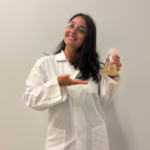
Tala Matar
Program: LURA
Supervisor: Satinder Brar
Profile: Tala is going into her third year of Biological and Pharmaceutical Chemistry. She chose to participate in this research because she is interested in understanding environmental challenges and contributing to scientific work that can help protect ecosystems and public health. Having always enjoyed laboratory work, she wanted the opportunity to gain more in-depth research experience and explore whether a career in research is something she would like to pursue in the future.Abstract Title: Seasonal Variation of Microplastics Occurrence Throughout a Municipal WWTP: Case Study in Southern Ontario
Authors: Tala Matar, Anastasiia Bolshakova, Shooka Karimpour, Satinder Kaur Brar
Abstract: Microplastics are an emerging environmental contaminant that have been detected in wastewater treatment plants (WWTPs) worldwide. Although wastewater treatment plants remove a substantial portion of microplastics from wastewater, many particles are retained throughout the treatment process by settling into sewage sludge, while others persist in treated effluent discharged into receiving waters. Microplastics accumulated in sewage sludge are often transferred to agricultural land through land application, allowing them to enter terrestrial environments. Limited research has characterized the occurrence and distribution of microplastics across Canadian WWTPs. The objective of this study is to quantify and characterize microplastics throughout different stages of wastewater treatment and evaluate their seasonal variation within a WWTP in Southern Ontario.Samples were collected from both the liquid and solid treatment streams of the WWTP during four sampling campaigns representing different seasons. The liquid stream included primary influent, secondary influent, centrate, secondary effluent, and final effluent, while the solid stream included primary sludge, secondary sludge, thickened waste activated sludge, and anaerobically digested sludge. Microplastics were extracted using the Ferro-sonication technique followed by density separation and vacuum filtration. Filtered particles were analyzed using stereomicroscopy and Fourier-transform infrared (FTIR) microscopy to determine particle abundance and size distribution, FTIR microscopy was also used to characterize polymer composition. In parallel, solids analyses were conducted to characterize solids content across treatment stages and support interpretation of the microplastic occurrence data.
The resulting data will provide insight into the seasonal microplastic occurrence throughout multiple treatment stages within a WWTP in Southern Ontario. These findings will contribute to a better understanding of microplastic fate during wastewater treatment and provide baseline information to support future monitoring efforts and the development of strategies to reduce microplastic release into the environment.
Read More About the Conference -
Earth & Space Science and Engineering

Alena Chen
Program: LURA
Supervisor: Michael Bazzocchi
Profile: Alena is a second-year Engineering Science student at the University of Toronto, majoring in Robotics Engineering and minoring in Bioengineering. Driven by a passion for assistive robotics, she focuses on developing technology that bridges the gap between users, mechanical systems, and artificial intelligence. After enjoying her time in summer research last year, she is excited to return to the lab this summer, aiming to deepen her expertise by developing impactful assistive robotic systems tailored for older adults.Abstract Title: Six Steps Ahead: An Autonomous Six-Legged Stair-Climbing Walker
Authors: Alena Chen, Prof. Michael Bazzocchi
Abstract: Stair navigation is a major cause of falls among older adults. Despite this risk, 96% of older adults in Canada prefer to age in place, highlighting the need for safe mobility support within the home. Existing stair-assistive walkers require users to manually lift and reposition the device on every step, slowing stair navigation and increasing the risk of unstable placement. This project addresses this limitation by developing an autonomous six-legged stair-assistive walker that repositions itself between steps while maintaining continuous user support. The proposed system integrates actuated telescoping legs with a shared longitudinal translation mechanism that enables both independent leg repositioning and chassis advancement. Synchronized wrist-rest handlebars follow the user's natural motion during stair ascent and descent. The walker supports two climbing modes: i) a pair-by-pair gait, in which the front, middle, and rear leg pairs move sequentially to prioritize stability while the user places both feet on each step, and ii) a cockroach-inspired tripod gait, in which three alternating legs move simultaneously to enable continuous stair climbing with one foot on each step, prioritizing climbing efficiency. The biomechanical effects of walker-assisted stair climbing relative to unaided stair climbing are evaluated through musculoskeletal simulations in the AnyBody Modeling System. The stair-climbing performance, stability, handlebar synchronization, slip resistance, and traversal time are considered in the simulation-based testing. By eliminating manual walker repositioning while providing synchronized user support throughout stair navigation, the proposed system seeks to address key limitations of existing stair-assistive devices and to support safer, more independent aging in place for older adults. Erik Das
Program: LURA
Supervisor: Regina Lee
Profile: Erik is a 2nd year space engineering student, and he joined the summer research research program to learn and contribute to real-world engineering projects, as well as gain insight into the aerospace industry. His work and research has been driven by a strong passion for space, as well as a mindset of creativity and analytical thinking.Abstract Title: Mapping Satellite Constellations Through Data Sonification to Understand Space Situational Awareness
Authors: Erik Das, Regina Lee
Abstract: Visual representations of Resident Space Objects (RSOs) orbiting around Earth often become cluttered, overwhelming, and difficult to interpret at scale. As space situational awareness (SSA) and the sustainable utilization of our near-Earth space become increasingly critical, a clear need emerges for alternative, highly accessible mediums to teach, analyze, and promote complex orbital tracking. This research evaluated how data sonifications could creatively represent collections of satellites and serve as an effective, multi-sensory medium to enhance overall SSA comprehension. To develop these auditory representations, custom algorithms were authored in Python using mathematical orbit-propagation software and digital sound-synthesis libraries. These scripts used publicly available satellite tracking data in the form of Two-Line Element (TLE) sets, algorithmic parameters, and real-time propagated satellite movement data to dynamically translate complex spatial coordinates and orbital parameters, such as altitude, inclination, and Right Ascension of the Ascending Node, into structured acoustic parameters including pitch, timbre, and note velocity. The project yielded a collection of distinct, data-driven audio compositions that accurately mapped the structural density, velocity, orbital inclination, and spatial distribution of diverse satellite collections across low-Earth and geostationary orbits. By offering an intuitive, uncluttered auditory perspective that seamlessly complements traditional 2D and 3D visual tracking displays, the resulting audio streams allowed for recognition of overlapping orbital patterns, resonance, and crowding. Ultimately, by demonstrating that data sonification successfully communicated real-world orbital dynamics, this research highlights the unique role of sonification in data interpretation and demonstrates its potential to broaden public engagement, and deepen overall public understanding of Earth's rapidly evolving orbital environment. Kartik Jassal
Program: LURA
Supervisor: Michael Bazzocchi
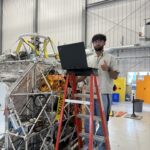
Profile: Kartik is entering his third year of Space Engineering and has a strong interest in robotics and space exploration. He joined the summer research program to expand his technical knowledge and explore how robotic systems can support future space missions. He is a curious, motivated, and hands-on learner who enjoys tackling complex challenges and continuously seeking opportunities for growth. Drawn to both innovation and problem-solving, he chose to pursue research because it allows him to explore new ideas, deepen his understanding of emerging technologies, and contribute to meaningful advancements in the field.Abstract Title: CubeSat-Scale Dual-Arm Robotic Manipulation for On-Orbit Servicing
Authors: Kartik Jassal, Dr. Michael C.F. Bazzocchi
Abstract: Most spacecraft are launched with no practical way to inspect, repair, upgrade, or reconfigure them once they are in orbit. A failed component can therefore end a mission even when the rest of the spacecraft remains functional. Large servicing missions have shown that robotic maintenance is possible, but it is not yet clear whether a resource-limited 6U CubeSat can perform similar work.This project investigates a 6U CubeSat servicer equipped with two low-degree-of-freedom robotic arms. The utilization of two arms, with one arm bracing the spacecraft while the other completes a task, reduces body disturbance and improves repeatability. Representative inspection and servicing tasks were translated into system requirements to guide the simultaneous design of the CubeSat and robotic manipulators. Alternative designs leverage commercial-off-the-shelf components and were evaluated through numerical simulations against a set of design criteria and constraints—with consideration of future prototyping, hardware-in-the-loop testing, and flight demonstration missions. A procedure for further experimental evaluation of the selected design will be established to measure arm motion and spacecraft response via joint encoders, inertial sensors, motor-current data, force sensors, and synchronized cameras.
The project is expected to produce a feasible dual-arm CubeSat architecture as well as a technical development pathway for future simulation, ground testing, and reduced-gravity experiments that demonstrate small satellite inspection and servicing tasks. The project advances sustainable space systems and contributes to UN Sustainable Development Goal 9 through improving infrastructure sustainability and Goal 12 by supporting spacecraft life extension, reducing replacement demand, and promoting more resilient orbital infrastructure.
Riyaz Alli
Program: LURA
Supervisor: Regina Lee
Profile: Riyaz is a graduating fourth-year Space Engineering student at Lassonde who will begin his Master’s degree in Earth and Space Science this September. Having dedicated the past summer to full-time research and the academic year to part-time work within Dr. Regina Lee’s Nanosatellite Research Laboratory, he chose to continue this summer to deepen his project’s impact. Working on cutting-edge satellite projects for major space agency missions, Riyaz helps advance real-world aerospace technologies. This continuous research experience bridges his undergraduate studies with his upcoming graduate-level research.Abstract Title: Development and Validation of a Multi-Sensor Balloon-Borne Payload for Space Situational Awareness (SSA)
Authors: Riyaz Alli, Michael Vansteenkiste, Vithurshan Suthakar, David Dobrzanski, Regina S. K. Lee, PhD
Abstract: The increasing number of Resident Space Objects (RSOs) has intensified the need for improved Space Situational Awareness (SSA) systems capable of accurate detection, tracking, and characterization. Balloon-borne optical payloads provide a cost-effective platform for testing SSA technologies above much of the atmosphere, but their successful deployment requires iterative refinement of payload design, subsystem integration, and operational procedures. This research investigates how successive development cycles can improve the readiness and reliability of a multi-sensor near-space SSA payload.The RSONAR mission series consists of successive balloon-borne payloads developed to advance optical SSA technologies through development and flight testing. The payload integrates visible-spectrum, short-wave infrared (SWIR), and neuromorphic imaging sensors to support multi-modal observations of RSOs. Following last year's R3 campaign, lessons learned were incorporated into the design of the RSONAR4 payload through a design-build-test cycle in which subsystem performance, payload integration, and operational procedures were refined between missions. These improvements included enhancements to the payload architecture, mechanical design, electrical interfaces, sensor synchronization, and onboard software.
System integration, operational validation, and ground testing successfully demonstrated the RSONAR4 readiness while producing valuable multi-sensor datasets for calibration and algorithm development. These results have guided the design of the RSONAR5 payload, which will be deployed during the 2027 Canadian Space Agency (CSA) stratospheric balloon campaign in Brazil to evaluate the platform under near-space conditions and further advance optical SSA capabilities.
This work demonstrates the value of iterative mission development in maturing balloon-borne optical SSA technologies. By reducing technical risk between campaigns and improving payload readiness, the research establishes a scalable framework for future high-altitude optical observations that will contribute to improved RSO detection, characterization, and Space Situational Awareness capabilities.

Sourav Saini
Program: LURA
Supervisor: Regina Lee
Profile: Sourav is a newly graduated Computer Engineering student with a strong interest in applying science and engineering to solve real-world problems. Throughout his degree, he worked on projects spanning computer science, biology, and electrical engineering, which allowed him to explore a wide range of disciplines. He is particularly interested in the space sector and hopes to pursue future opportunities in research and academia, including completing a master's degree and potentially a PhD related to space or computer engineering. This will be Sourav's third time participating in the LURA Undergraduate Research Program.Abstract Title: Conjunction Analysis for Space-Based Space Situational Awareness
Authors: Sourav Saini, Vithurshan Suthakar, Regina S.K. Lee
Abstract:. Space Situational Awareness (SSA) refers to the development and application of technologies for the detection, tracking, characterization, and prediction of objects in space, intending to ensure the safety, security, and long-term sustainability of space operations. This research will develop a software-based tool for evaluating whether a spacecraft observer, or a fleet of observers, can detect Resident Space Objects (RSOs) in potential close approaches or conjunction events. Users will be able to input the target satellite's trajectory information or TLEs and the spacecraft’s orientation, allowing the software tool to determine which at-risk RSOs fall within the sensor’s field-of-view (FoV) over a selected time period. The initial validation will focus on using the Canadian satellite CASSIOPE’s FAI orbit H5 metadata and publicly available satellite junction TLE cases. The software will measure key observation-opportunity characteristics, including number of repeat observations, visibility duration, angular separation, time to closest approach, and preliminary detectability metrics such as magnitude or SNR. The project will also compare different star-tracker-like sensor configurations and observer orbital geometries to assess how sensor design and orbit selection affect conjunction-monitoring capability. This work will support KeeperSpace's (our industry collaborators') efforts in space-based SSA, optical tracking, and maneuver-decision analysis.
Tirth Tusharkumar Patel
Program: LURA
Supervisor: Sunil Bisnath
Profile: Tirth is a second year Electrical Engineering student at York University and is working at the GNSS Lab this summer under the supervision of Professor Sunil Bisnath. Having previously worked with GNSS technology through engineering projects at York University Robotics Society, he has developed a strong interest in positioning, navigation, and satellite systems. Tirth chose to participate in this research to contribute to advancements in the field and to further expand his understanding of GNSS applications and technologies.Abstract Title: Evaluating GNSS Antenna Performance for Urban and Airborne Applications Using Attitude-Referenced Signal Quality Analysis
Authors: Tirth Patel, Sunil Bisnath
Abstract:. Global Navigation Satellite Systems (GNSS), such as the Global Positioning System (GPS), rely on antennas to receive signals from satellites, and the quality of these antennas directly affects positioning accuracy. Antennas are typically evaluated using static tests, where the antenna remains stationary on a rooftop for several hours while signal quality metrics, such as the carrier-to-noise density ratio (C/N0), are mapped across the sky as a function of each satellite's azimuth and elevation angles. However, antennas are ultimately used on moving platforms such as cars, drones, and aircraft. During motion, the platform continuously tilts and rotates, changing the direction from which each satellite signal arrives at the antenna. As a result, it is unknown whether static test results accurately predict antenna performance in real-world kinematic conditions. The objective of this research is to determine whether static antenna characterization holds during motion, using a custom-built sensor platform that records synchronized measurements from an Inertial Measurement Unit (IMU), magnetometer, barometer, and GNSS receiver. Mounted on a vehicle roof rack, the platform provides the vehicle's orientation (roll, pitch, and yaw) at every instant. This orientation is used to transform each satellite's azimuth and elevation into the antenna's body frame of reference, revealing the true arrival angle of every signal. Two antenna types are tested simultaneously on the same platform, so that C/N0 and multipath, caused by reflected signals, can be directly compared between antennas and against static results under identical conditions. Repeated driving loops and antenna position swapping between runs further distinguish antenna-specific behavior from vehicle blockage and environmental reflections. The expected outcome is a reusable analysis method that identifies where static testing succeeds or fails in predicting real-world kinematic performance. The results of this research will allow for more resilient GNSS use in urban and safety-of-life navigation applications. Tom Pham
Program: LURA
Supervisor: Jianguo Wang
Profile: Tom is a 3rd year Space Engineering student, he participate in this research because he interested in navigation system, electronics system in space.Abstract Title: Development Of A Multisensor Platform For GPS-Denied Indoor Positioning And Navigation
Authors: Ngoc Thach (Tom) Pham
Abstract: Accurate indoor positioning remains a major challenge for autonomous mobile systems because Global Navigation Satellite System signals are unavailable or unreliable inside buildings. This research presents the development of a real-time multisensor platform for GPS-denied indoor positioning and navigation using ultrasonic beacons, three-dimensional LiDAR, machine-vision cameras, and inertial sensing. The system is implemented on an NVIDIA Jetson Orin Nano running ROS 2 and is designed for deployment on a small rubber-wheeled mobile vehicle.
Absolute position measurements are provided by a Marvelmind ultrasonic beacon network, while a Velodyne VLP-16 LiDAR captures three-dimensional environmental geometry. Two global-shutter cameras provide visual observations, and an independent inertial measurement unit supplies high-rate motion data between external position updates. Custom C++ ROS 2 nodes, sensor drivers, coordinate transformations, static frame definitions, and automated data-acquisition procedures were developed to integrate all sensors within a common reference-frame architecture. Preliminary system integration demonstrated simultaneous acquisition of ultrasonic position data at approximately 10 Hz, LiDAR point clouds at approximately 10 Hz, and camera images at approximately 31 frames per second.The collected datasets will support the development and evaluation of sensor-fusion methods intended to improve positioning continuity, reduce measurement noise, and limit drift during temporary ultrasonic obstruction or degraded visual conditions. Planned validation includes static and dynamic trajectory experiments assessing positioning accuracy, repeatability, latency, synchronization, and robustness under partial sensor loss. The long-term objective is to investigate whether complementary sensing can improve indoor localization beyond the performance of any individual sensor. The resulting platform provides a modular foundation for future research in autonomous navigation, simultaneous localization and mapping, robotic

Umm Habiba Tasnim
Program: LURA
Supervisor: Spiros Pagiatakis
Profile: Habiba is a 4th year Space Engineering student curious about how the world around her works. She chose to participate in research in order to develop a deeper understanding of the earth's atmosphere.Abstract Title: Exploring Thermospheric Disturbance Patterns via Low Earth Orbiters: Detecting Acoustic Gravity Waves Generated by the Supersonic Motion of the Solar Terminator
Read More About the Conference
Authors: Umm Tasnim, Spiros Pagiatakis
Abstract: The supersonic motion of the solar terminator, the boundary between day and night, has been proposed as a source of acoustic gravity waves (AGWs) that propagate through Earth’s upper atmosphere. Detecting these disturbances is important because it can provide a deeper understanding of thermospheric dynamics, space weather, and the non-gravitational forces acting on Low Earth Orbit (LEO) satellites. In a 2024 study by Tzamali and Pagiatakis, characteristic disturbances were observed in GRACE and GRACE-FO accelerometer measurements near solar terminator crossings. The purpose of this project is to investigate whether the disturbances reported in the 2024 study can be reproduced using GRACE-FO-C Level-1A accelerometer data. It is hypothesized that a Kaiser-window finite impulse response (FIR) band-pass filter, together with covariance-based weighting, can isolate candidate AGW signatures from dominant orbital harmonics and background noise. Using MATLAB, a Kaiser-window FIR band-pass filter is developed and applied to the X-axis of GRACE-FO Level-1A accelerometer data collected between November 1, 2021, and February 28, 2022. The filtered accelerometer measurements will then be analyzed as a function of latitude, with covariance-based weighting used to account for variations in measurement uncertainty. This analysis will investigate whether disturbances consistent with AGWs occur near the expected solar terminator locations and whether the patterns identified in the 2024 study can be reproduced over an extended observation period. This study aims to provide further evidence for the detectability of solar terminator-generated AGWs and improve understanding of thermospheric dynamics and space weather. -
Electrical Engineering & Computer Science

Aaditya Karamchandani
Program: LURA
Supervisor: Marios Fokaefs
Profile: Aaditya is a third-year Computer Science student with interests in artificial intelligence, software architecture, and computational modeling. He is passionate about building practical software systems and exploring how AI can support complex engineering and scientific decision-making.Abstract Title: Can LLMs Think Like Architects? A Deterministic Evaluation of Architectural Reasoning in Large Language Models
Author: Aaditya Karamchandani, Marios Fokaefs
Abstract: Large Language Models (LLMs) can generate code and documentation, but whether they can reason about software architecture and make informed decisions from project constraints remains an open question. Existing benchmarks only evaluate LLM's ability to generate Unified Modeling Language (UML) given project context, rather than their ability to argue architectural decisions within constraints. They also use either LLMs or humans to judge the accuracy of architectural decisions. The issue with these evaluation methods is that they involve subjectivity, human uncertainty, or LLM hallucinations. Therefore, the objective of this research was to design a deterministic and analytical evaluation method to test if LLMs can think like software architects. We hypothesized that an LLM, given examples of Architectural Decision Records (ADRs) from open source projects, can reconstruct a held-out ADR's decision from its context alone. ADRs are documents that capture not just what a development team built, but why they built it, what alternatives were considered, and what compromises they accepted. We designed a two-stage deterministic pipeline using semantic similarity to find matching topics, followed by Natural Language Inference (NLI) and MiniCheck — two technologies that compare if a given premise (ground truth) aligns with the provided hypothesis (LLM-generated decisions). A pilot evaluation on 139 ADRs from five projects showed the LLM can generate promising decisions, but often produces generic responses missing project-specific details — suggesting the bottleneck is lack of context, not model capability. By replacing subjective evaluation with a deterministic and reproducible scoring pipeline, the remaining challenge involves updating the ADR framework to theoretically provide all the context a human architect would have when making the same decision. Abdelrahman Eissa
Program: LURA
Supervisor: Sunila Akbar
Profile: Abdelrahman Eissa is a specialized Honors Engineering student at the Lassonde School of Engineering, York University, maintaining a 9.0/9.0 GPA. He chose to participate in the Lassonde Undergraduate Research Award (LURA) program to bridge deep learning and wireless communications, focusing on advanced signal intelligence. His current research introduces a hybrid machine learning framework, "DONet", utilizing joint Cross-Entropy and Triplet Loss to enhance incremental open-set modulation classification. Abdelrahman joined the initiative to tackle realistic, dynamic electromagnetic environments, contributing to robust novelty signal detection while preventing catastrophic model forgetting.Abstract Title: Open-Set-to-Closed-Set Incremental Learning (OS2CS-IL)
Author: Abdelrahman Eissa, Sunila Akbar
Abstract: Open-set modulation classification poses a significant challenge in dynamic and non-cooperative wireless environments, especially when compared to the well-studied and inherently easier problem of closed-set classification. Traditional incremental methods often struggle with severe feature space degradation and catastrophic forgetting when forced to aggregate multiple unrecognized signals into a single monolithic unknown category. To leverage the stability and reliability of closed-set paradigms, we propose Open-Set-to-Closed-Set Incremental Learning (OS2CS-IL), a novel framework based on the OpenICL architecture. OS2CS-IL aims to continuously convert ambiguous open-set classification tasks back into highly manageable closed-set problems. During the initial phase, OS2CS-IL identifies novel signals by employing a dual-path network consisting of a Classification Path (CLP) and a Contrast Path (COP). By optimizing the COP with Batch-All Triplet Loss, the model enforces compact intra-class clustering and maximized inter-class margins. To accurately detect anomalies, the framework employs a Dynamic Adaptive Threshold (DAT) derived from the statistical Three-Sigma rule applied to the learned intra-class embedding distances. These strict distance-based predictions feed into a Moving Intersection Algorithm (MIA) module, which robustly filters and deposits high-confidence unseen samples into an Unknown Signal Bank (USB). Rather than grouping all rejected signals into a single "$K+1$" unknown category, OS2CS-IL applies density-based clustering (DBSCAN) to the USB to accurately approximate the true multimodal distribution of the unseen data. By autonomously discovering $\hat{d}$ distinct candidate classes, the model expands its output capacity from $K$ to $K+\hat{d}$ classes. Subsequent fine-tuning via sample replay ensures that the network incorporates these new modulation formats natively without suffering from catastrophic forgetting. Comprehensive evaluations on benchmark radio datasets demonstrate that this dynamic expansion yields significantly superior classification accuracy and robust anomaly detection by resolving open-set uncertainty through targeted closed-set conversion. Aditya Manjrekar
Program: LURA
Supervisor: Aijun An
Profile: Aditya Manjrekar is an undergraduate student in the Department of Electrical Engineering and Computer Science, with a focus on machine learning and data mining. He previously worked with Dr. Aijun An on a text-based sentiment analysis project, which sparked his interest in how machines can understand human emotion. He chose to participate in this research because it combines technical depth with real-world impact for an underserved group, older adults, and because it offers hands-on experience with cutting-edge multimodal AI methods while preparing him for graduate study and a research career in artificial intelligence.Abstract Title: Measuring the Age Gap and Improving Multimodal Emotion Recognition for Older Adults
Author: Aditya Manjrekar, Dr. Aijun An
Abstract: Artificial intelligence that reads emotion from the face and voice is moving into healthcare, companion robots, and mental-health monitoring, settings where many of the people served are older adults. Yet these systems are trained and tested almost entirely on younger people, and how well they work for seniors is largely unknown. The objective of this project is to measure how emotion-recognition performance changes with speaker age and to develop methods that narrow the gap; we hypothesized that accuracy declines with age and that a model able to sense when one of its input channels is unreliable can recover part of the loss. We built a multimodal system that combines a speech-analysis model, a facial-expression analysis model, and a large language model adapted with small trainable layers, and evaluated it with speaker-independent cross-validation on 7,442 acted emotion clips from 91 actors aged 20 to 74 (the CREMA-D dataset) and 1,323 real-world videos of older adults (the ElderReact dataset). Recognition accuracy declined by about 2.3 percentage points per decade of speaker age (p = 0.004), and the decline traced entirely to the visual channel: older voices were recognized as accurately as younger ones, while older facial expressions were not. Making the language model fourteen times larger raised overall accuracy but left the age gap unchanged, showing the problem is structural rather than one of scale. However, a gating mechanism that weighs each channel by the model's own confidence in it, combined with per-emotion calibration, raised the macro-averaged F1 score (an accuracy measure that values all six emotions equally) on the real-world older-adult videos from 0.358 to 0.418, a 17 percent relative gain. As emotion-aware technology spreads into elder care, age-inclusive evaluation and design are essential so these systems serve those who may need them most.Amir Ali Mohaghegh

Yong Song Cao

Amanuel Aknaw
 Program: LURA
Supervisor: Alvine Boaye Belle
Profile: Amir is a 4th year Computer Science Student with the goal to pursue a master degree in the AI and ML branch of the field. He took on the research to gain some crucial research experience to help prepare for his masters as well as allowing him to discover where his biggest interests can be found.Profile: Yong Song is a fourth-year Computer Science student at York University with a strong interest in artificial intelligence, software engineering, and safety-critical systems. He enjoys applying technology to solve complex real-world problems and developing tools that can support decision-making and improve reliability. He chose to participate in research to gain hands-on experience, strengthen his technical and analytical skills, and contribute to innovative projects with practical impact.
Profile: Amanuel is a computer science student at York University who is interested in AI and software development. He chose to participate in this research because he is passionate about agentic AI and how it can solve several real-world problems.
Abstract Title: e-TrustWare: A Multi-Agent Framework for Generating and Reviewing Autonomous Driving Safety Cases
Authors: Alvine Boaye Belle, Gerhard Yu, Amir Ali Mohaghegh, Alex Cao, Amanuel Aknaw
Abstract: e-TrustWare: A Multi-Agent Framework for Generating and Reviewing Autonomous Driving Safety CasesAutonomous driving systems are mission-critical artificial intelligence systems that sense their environment, make driving decisions, and control vehicle behavior. Because failures can cause injury, death, property damage, or environmental harm, their safety must be argued before deployment. Safety cases provide this argument by showing how safety measures are implemented and aligned with industry standards such as ISO 26262, ISO 21448, UL 4600, and guidance for machine-learning-enabled autonomous systems. However, manually creating these cases is slow, expert-heavy, and difficult to scale.
This project develops e-TrustWare, a multi-agent software framework that uses large language models to semi-automatically generate and review assurance cases for autonomous driving systems. It aims to make safety case development faster, more traceable, and easier for engineers to inspect. e-TrustWare uses a courtroom-inspired design in which agents take complementary roles: a defense agent drafts or revises a Goal Structuring Notation assurance case, a jury agent evaluates its strength, a prosecutor agent identifies missing evidence, weak logic, unsupported assumptions, and defeaters, and a judge agent produces a final reviewed case. Expert knowledge is embedded through retrieval-augmented generation, which grounds agents in standards, assurance guidance, and domain-specific evidence before they produce or critique arguments.
 Amirhossein Hassankhani Farahani
Program: LURA
Supervisor: Marios Fokaefs
Profile: Amir is a second-year Computer Science student.Abstract Title: Generative AI for Software Engineering Tasks
Author: Amirhossein Hassankhani Farahani, Supervisor: Dr. Marios Fokaefs
Abstract: Software engineers rely on models such as Unified Modeling Language (UML) diagrams and performance models to design, communicate, and evaluate software architecture before the implementation phase begins. While Large Language Models (LLMs) have shown strong performance in generating source code, their ability to produce higher-level software engineering artifacts, such as architectural designs and performance models, remains largely unexplored. Understanding this matters because it would reveal whether LLMs can assist software engineers beyond coding and contribute to the early planning stages of the software development lifecycle. This research project investigates the extent to which LLMs can translate natural language descriptions of software projects into accurate and usable software engineering artifacts. We prompted LLMs to generate UML sequence, activity, and deployment diagrams from natural language descriptions of a software project. These diagrams were then passed on to a second LLM to generate Palladio Component Models, which can be translated to LQN (Layered Queuing Network) performance models to predict and evaluate software performance. This two-stage pipeline reflects a realistic workflow in which software architecture directly informs downstream performance analysis. Preliminary observations show that most LLMs are capable of producing structurally reasonable UML diagrams, correctly capturing the overall components and flow of the described systems, although smaller details such as loops within sequence and activity diagrams are sometimes overlooked. This work contributes to a growing understanding of where LLMs can meaningfully support software engineers, and where human oversight remains necessary, particularly as software engineers become more dependent on generative tools to supplement their workflow. Andrea Barreto Luna
Program: LURA
Supervisor: Emily Kuang
Profile: Andrea is an undergraduate student majoring in Biology with a minor in Computer Science. She is passionate about human-computer interaction (HCI) and is deeply interested in how technology and AI interact with humans and how they affect the way people think and make decisions. She chose to participate in this research because it sits at the intersection of these interests, exploring how the design of AI tools can shape human behavior in professional settings.Abstract Title: “The AI Has an Opinion. Do You?” Designing Cognitive Forcing Functions for UX Evaluation
Author: Andrea Barreto Luna, Pham Nguyet Cat Nguyen, Pengqi Wang, Emily Kuang
Abstract: When artificial intelligence tools generate suggestions for professional decision-makers, users tend to accept them too readily, even when the AI is wrong. This pattern, known as overreliance, poses a particular challenge in user experience (UX) evaluation, where the quality of an evaluator's judgment directly shapes design outcomes. Cognitive forcing functions (CFFs) are interventions designed to address this problem by prompting users to engage with their own reasoning before committing to an AI-assisted decision. Although multiple studies have recommended their use, empirical evidence for their effectiveness in expert professional settings remains limited. This project investigates how CFFs affect evaluator behaviour, AI error detection, and subjective experience in AI-assisted UX evaluation. We first developed a taxonomy of CFF design dimensions from prior literature to systematically inform our intervention design. We then built a custom evaluation tool that presents AI-generated usability suggestions alongside video recordings of user tests, varying how and when evaluators are prompted to articulate their observations before seeing the AI's interpretation. We are conducting a controlled within-subjects study with professional UX evaluators who each complete evaluation sessions under different CFF configurations. Preliminary findings from two pilot sessions suggest that articulation prompts improve evaluators' ability to detect AI errors, but that evaluators prefer conditions requiring less cognitive effort. Both pilot participants detected fewer incorrect and omitted AI suggestions in the lower-friction condition, yet ranked it as easiest to use. This preference-performance dissociation highlights the need for CFF deployment strategies that sustain critical engagement without imposing unnecessary burden. Full data collection is underway, and findings will inform the design of AI-assisted decision-support tools for expert professional workflows. Arian Haghparast
Program: LURA
Supervisor: Manos Papagelis
Profile: Arian Haghparast is a 4th-year Computer Science undergraduate student at York University. His interests are in reinforcement learning, machine learning, optimization, and how intelligent systems make decisions over time. He chose to take part in this research because he wanted to get more hands-on experience with research and work on problems that are both theoretical and practical. Through this project, Arian is hoping to better understand how learning algorithms behave in more realistic settings and continue building his skills as a researcher.Abstract Title: STREAM-MARL: A Replay-Free Actor–Critic for Streaming Multi-Agent Reinforcement Learning
Author: Arian Haghparast, Manos Papagelis
Abstract: Cooperative multi-agent reinforcement learning (MARL) commonly relies on replay buffers, rollout batches, and repeated optimization over stored experience. This study investigates whether deep MARL can learn effectively in a fully streaming setting, where each transition is processed once, used for one update, and immediately discarded. We hypothesize that applying a shared dampening factor across all decentralized actors and the centralized critic can stabilize these single-transition updates while preserving the direction of the joint actor–critic update.We introduce STREAM-MARL, a centralized-training, decentralized-execution actor–critic method combining eligibility traces, online normalization, entropy-based exploration, and a joint weighted-L1 dampener. The method is evaluated in a common BenchMARL/VMAS framework on three cooperative control tasks: maintaining system balance, coordinating agents to collect targets efficiently, and navigating agents toward shared goals. It is compared with established actor–critic and value-based algorithms. Ablation studies examine shared damping, reward aggregation, trace resetting, entropy handling, and truncation bootstrapping. Additional experiments test adaptation to hidden reward and dynamics changes and extend the method to continuous-action environments.
Despite using no replay buffer, minibatches, rollout reuse, or repeated optimization epochs, STREAM-MARL achieves competitive final performance across the stationary tasks. In navigation, where successful policies saturate near a return of 1, STREAM-MARL reaches a high-success return of 0.7 approximately four times sooner than MAPPO and IPPO. Ablations show that independently scaling actor and critic updates causes the largest performance decline, supporting joint damping. STREAM-MARL also adapts rapidly when unobserved reward conditions or environmental dynamics change.
These results demonstrate that cooperative deep reinforcement learning can operate effectively using single-use experience and bounded memory. Its remaining gap relative to the strongest stationary baselines is consistent with noisy individual updates near convergence, whereas batch-based methods can average across states for finer optimization. STREAM-MARL is therefore promising for memory-constrained and rapidly changing multi-agent systems.
 Arian Salehi Abari
Program: LURA
Supervisor: Hina Tabassum
Profile: Arian is a 4th year Computer Science student. He chose to participate in the research because he wanted to find out how different positioning methods could be combined to improve localization in difficult places like indoor, urban, or obstructed environments.Abstract Title:
Author:
Abstract: Bill Nguyen
Program: LURA
Supervisor: Ping Wang
Profile: Bill is an undergraduate student at York University with interests in artificial intelligence, communication networks, robotics, biomedical technology, design, and emerging technologies. He is drawn to the edge of what is known and the possibilities that lies beyond it. He chose to participate in research to deepen his understanding of how to translate the theory and what is known to drive real world development and change. Through academic research, entrepreneurship, and lifelong learning, Bill strives to make the most of his time by building, discovering, and contributing to work that makes the world a better place.Abstract Title: RASTC: Recoverability-Aware Semantic Token Communication in Foundation-Model Feature Space
Author: Sheng Yun, Bill Nguyen, Ping Wang
Abstract: Current and future edge devices and connected vehicles increasingly rely on transmitting high dimensional visual information over wireless networks. However our current systems find it hard operating under limited bandwidth and unreliable channel conditions which make sending complete visual feature maps is impractical. Current approaches that randomly or conventional select tokens risks discarding of important information needed for accurate perception. Our hypothesize is that through the selection of tokens based on semantic importance, recoverability, channel reliability, and spatial coverage we can reduce our communication requirements while still preserving semantic segmentation performance.For evaluation we use extract frozen DINOv3 visual features extracted from real world images in Cityscapes and ADE20K datasets and develop RASTC, a lightweight semantic token transmitter and receiver system. The transmitter will select a subset of tokens under a fixed communication budget while the receiver will reconstruct missing information and generate semantic segmentation masks. RASTC will be compared with random, uniform, feature norm, entropy/saliency, quantization and feasible learned compression baselines. Having multi seed experiments that will test AWGN, Rayleigh fading, Rician fading, packet erasure, and combined noise and erasure channels. We will make our evaluations and comparisons based on mIoU, pixel accuracy, transmitted bits and qualitative visualizations.We expect that RASTC will be able to achieve higher segmentation accuracy than competing token selection methods with the same communication token budgets. We expect to have RASTC prioritize small and safety relevant regions for transmission such as pedestrians, bicycles, and traffic signs. The experiments will determine if RASTC remains effective under wireless degradation and identify low SNR.Our research aims the enable AI systems to communicate task relevant visual information more efficiently even without whole feature maps. The resulting reduction in communication workload will benefit connected transportation, robotics, telemedicine systems, and real time applications operating over wireless networks. Charles Zeng
Program: LURA
Supervisor: Kai Zhuang
Profile: Charles is a first-year Engineering student at York University with an interest in electrical engineering, embedded systems, and the connection between software and physical hardware. He has experience working with microcontrollers, MATLAB, and hardware-based projects, including developing a musical synthesizer using the M5Stack platform. He chose to participate in the research to gain hands-on experience in a professional research environment, deepen his technical skills, and better understand how engineering concepts are applied to real-world systems.Abstract Title: Exploring Python and the M5Core2 for Introductory Programming and Mechatronics
Authors: Charles Zeng, Amin Mohammadi, Kai Hua Zhuang
Abstract: EECS1011 is a first-year engineering course that introduces students to the fundamentals of procedural programming and mechatronics. This project explores the use of Python, M5Core2 microcontroller, Thonny IDE, and ZyBooks learning platform as the foundation for a course redesign. These technologies were selected based on their accessibility, pedagogical value, hardware compatibility, and relevance to subsequent engineering courses, with a strong emphasis on experiential learning. The redesign also intentionally addresses concerns regarding the inappropriate use of generative AI by emphasizing hands-on programming, hardware integration, and authentic assessments that require students to demonstrate individual understanding.A comprehensive experiential learning pathway was developed within ZyBooks, consisting of participation activities, challenge activities, programming labs, and in-person programming assessments. The resulting curriculum covers introductory programming concepts including variables, conditionals, loops, functions, lists, dictionaries, and other essential concepts. A series of microcontroller laboratories was also created to demonstrate practical engineering applications of Python on ESP32-based hardware using the M5 development platform. Example projects include an automatic plant-watering system, a Whac-a-Mole-style game, and a step counter, allowing students to connect programming concepts with sensors, actuators, and interactive embedded systems while reinforcing computational thinking through tangible engineering applications.
The redesigned curriculum was beta-tested with third-year Computer Science students to gather feedback on usability, pacing, and instructional design. Revisions were incorporated based on their recommendations, and the course will be piloted at full scale at York University's Markham Campus during the 2026–27 academic year with approximately 135 first-year engineering students. Future evaluation will examine student engagement, learning outcomes, and the effectiveness of the experiential approach in supporting introductory programming education.
 Yue Guo

Chenhao Wang
Program: LURA
Supervisor: Meiying Qin, Sonya AllinProfile: Yue is a 2nd year Computer Science student at Lassonde with a distinctive background that integrates engineering logic with educational expertise. With a previous background in Telecom Engineering and professional experience in Early Childhood Education (ECE), she brings a deeply empathetic perspective to technical learning. Her research focuses on applying pedagogical principles to simplify complex computing concepts with the help of emerging technologies. Yue is dedicated to building inclusive learning environments where technical knowledge is accessible to all, bridging the gap between rigorous systems and human-centered teaching.
Profile: Chenhao is a first-year Computer Science student with strong interest in AI alignment, computational neuroscience and intelligent systems design. He is particularly interested in understanding how principles of biological intelligence can inform the development of reliable and aligned AI systems, especially those used in educational or decision making contexts. Aspiring to pursue a research career, Chenhao joined the NSERC USRA program under the supervision of Dr. Meiying Qin and Dr. Sonya Allin, where he hopes to sharpen his research skills and contribute to meaningful work being done in the field of CS education.
Abstract Title: Debugging in Virtual Reality: Exploring the Effectiveness of New Tools for Programming Education
Author: Chenhao Wang, Yue Guo, Meiying Qin, Sonya Allin
Abstract: Augmented reality (AR) and virtual reality (VR) technologies have attracted increasing interest in computer science education because they provide interactive and immersive learning experiences. While recent research has explored the use of AR/VR for teaching programming concepts, comparatively few studies have examined their effectiveness for practical programming tasks such as debugging. In particular, there is limited work comparing VR debugging environments with conventional debugging tools and online program visualizers. Understanding the educational benefits and limitations of these tools can inform the development of more effective programming instruction, supporting the United Nations Sustainable Development Goal 4 of ensuring inclusive and equitable quality education.This project investigates the effectiveness of a VR debugging tool developed for this study by comparing it with a traditional debugger and the online visualizer PythonTutor. The VR debugger visualizes program execution in an immersive three-dimensional environment, enabling users to observe and interact with variables, control flow, and changes in program state. We designed a set of open-ended debugging exercises involving conditional statements, loops, and variable references, which together account for over 82% of debugging scenarios encountered in introductory programming courses. Participants complete these exercises using each of the three tools, allowing us to compare their effectiveness in supporting debugging performance and understanding of program execution.A pilot evaluation with one participant was conducted to verify the usability of the VR environment and the study protocol. A larger user study is currently underway to evaluate whether immersive visualization offers measurable advantages over existing debugging tools. We hypothesize that VR-based debugging can improve students' understanding of program execution through embodied interaction, ultimately supporting more effective learning in introductory programming courses. Daniel Chahine
Program: LURA
Supervisor: Hina Tabassum
Profile: Daniel Chahine is a fourth-year Honours BSc Computer Science student at York University (GPA 3.8/4.0), graduating April 2027. He currently serves as Executive Technical Lead at AWS Cloud YU and is co-authoring a survey paper on trustworthy time series forecasting for wireless/EM spectrum networks with Professors Hina Tabassum. His background spans applied AI (PyTorch, RAG pipelines, GPT-2 fine-tuning), full-stack development, and cloud infrastructure. A 5x hackathon winner, Daniel chose this project to deepen his expertise in uncertainty-aware deep learning and contribute directly to building resilient, proactive spectrum management systems for next-generation wireless networks.Abstract Title: Trustworthy Time Series Analysis and Forecasting in Wireless Networks: A Contemporary Survey
Author: Hina Tabassum, Daniel Chahine
Abstract: Every phone call, video stream, and cloud service depends on wireless access points that constantly record how much data users demand, how strong radio signals are, and how much electromagnetic energy is emitted. Forecasting these quantities before they occur lets network operators allocate resources ahead of demand spikes, power down equipment to save energy, and keep radio-frequency exposure within safe regulatory limits. However, existing forecasting surveys either overlook specific challenges for wireless prediction and treat it as a single number output, leaving the trustworthiness question of a forecast, how much uncertainty it carries and whether it can be relied upon, largely unaddressed. This survey closes that gap. We review the full spectrum of time series forecasting methods, from classical statistics, deep learning, foundation models, and large language models, alongside the properties that make a forecast trustworthy, including uncertainty, calibration, and robustness. Using electromagnetic field (EMF) exposure measured across multiple sites and years as a running case study, we benchmark seven models, EMForecaster, DLinear, PatchTST, TSMixer, Transformer, LSTM, and ARIMA, on both univariate forecasting of a single signal and multivariate forecasting of several correlated signals at once. To measure how far each forecast can be trusted, we pair every deep model with conformal prediction, a distribution-free method that wraps any forecaster with calibrated intervals indicating where the true value is likely to fall, and report results with and without it. Our experiments show that conformal prediction adds calibrated uncertainty estimates without degrading point accuracy, while revealing the trade offs between accuracy, interval width, and computational cost across models. For the future work, will extend this analysis to correlation aware models that cluster and forecast related signals to additional wireless datasets. By uniting trustworthy forecasting with wireless applications, this work provides a foundation for deploying uncertainty-aware prediction in next-generation networks. Diego Romero Rincon
Program: LURA
Supervisor: Ali Sadeghi-Naini
Profile: Diego is a highly motivated undergraduate student with a strong interest in the fields of AI, machine learning, and quantum computing. With a long-term goal of pursuing graduate studies up to the PhD level, he joined the summer research program for the second year in a row to deepen his research experience and understanding of advanced scientific concepts while contributing meaningfully to innovative projects. Through this experience, Diego aims to build the skills, knowledge, and professional network necessary to excel in graduate-level research and beyond.Abstract Title: AI-Assisted Platform for Automated Monitoring of Brain Tumor Dynamics on Serial MRI after Radiotherapy
Authors: Diego Alejandro Romero Rincon1, Nauman Bashir1,2, Ali Sadeghi-Naini1,2
Abstract: Brain metastases are secondary tumors that frequently occur in cancer patients and are commonly treated with targeted stereotactic radiosurgery. Evaluating the outcome of this treatment requires clinical experts to meticulously track changes in tumor size across multiple serial magnetic resonance imaging (MRI) scans. This manual assessment is highly time-consuming, imposes a significant burden on clinical workflows, and is prone to human variability, especially when evaluating small lesions under one centimeter. The objective of this project is to develop a comprehensive, AI-assisted cloud-based platform for the automated monitoring of brain tumor dynamics on longitudinal MRI. We hypothesize that a modular, web-based user interface integrating state-of-the-art artificial intelligence along with role-based access control will streamline image analysis and standardize radiotherapy outcome assessments. Developed within the QUANTIMB Lab, this platform allows users to input and preprocess multi-modal MR images, run advanced AI models, and generate tracking reports in both single and batch modes. The user interface provides clinicians with intuitive tools for selecting specific analytical AI models, , seamlessly visualizing longitudinal image data for accurate clinical interpretation, and adjusting model-generated annotations, when required. At its core, the platform integrates a novel transformer-based AI framework utilizing a 3D neighborhood attention mechanism to precisely delineate tumors of all sizes and automatically monitor post-treatment volumetric changes. By automatically classifying tumor status and detecting outcomes such as local control/failure or adverse radiation effects, the system minimizes the assessment burden on radiation oncologists. Ultimately, this digital health tool enhances precision medicine in neuro-oncology by improving consistency in routine clinical care. Ethan Hammah
Program: LURA
Supervisor: Emily Kuang
Profile: Ethan is a third-year Digital Media student passionate about combining technologies to create interactive experiences that immerse and entertain audiences in digital worlds. Beyond entertainment, his work often encourages participants to reflect on their own experiences and perspectives.Abstract Title: Bridging Generations Through Play: Serious Games for Cultural and Language Exchange
Author: Ethan Hammah, Pengqi Wang, Emily Kuang
Abstract: Serious games and Human–Computer Interaction research have demonstrated that gamified experiences can support language learning and cultural heritage preservation. However, these two objectives are often pursued separately, despite the close relationship between language and culture. Intergenerational learning games further compound this gap, as they typically focus on older-to-younger knowledge transfer and rarely address grandparent–grandchild relationships, where cultural and linguistic differences can create barriers to communication and mutual understanding. To address this gap, we design and evaluate a collaborative game that facilitates reciprocal language and cultural exchange between grandparents and grandchildren. Through online multiplayer gameplay grounded in established design principles, participants engage in shared activities that encourage communication, cooperation, and the exchange of cultural knowledge. The game is evaluated through questionnaires to assess whether this approach improves participants’ understanding of each other’s languages, cultures, and lived experiences. We expect that, compared to their understanding before gameplay, grandparents and grandchildren will develop greater awareness of each other’s cultural backgrounds and lived experiences, while gaining insight into aspects of each other’s languages, such as basic sentence structures, vocabulary, and phrase formation. Rather than aiming to provide comprehensive language or cultural education, the game is designed as an introduction that sparks curiosity and encourages continued exploration beyond the study. This work aims to provide empirical insights into how collaborative games can support bidirectional intergenerational learning and intercultural communication, helping reduce linguistic and cultural barriers while promoting stronger connections between grandparents and grandchildren. Evan Gocool
Program: LURA
Supervisor: Alvine Boaye Belle
Profile: Evan is a 4th year Computer Engineering student at York University. He is interested in artificial intelligence, machine learning, and cybersecurity, particularly the security and reliability of AI systems. He chose to participate in this research opportunity to gain hands-on research experience, further develop his technical skills, and contribute to improving the safety of emerging AI technologies.Abstract Title: Synapse: Safety Evaluation of Open Weight Vision-Language Models Under Adversarial Jailbreak Attacks
Author: Evan Gocool, Alvine Boaye Belle
Abstract: Vision-Language Models (VLMs) are Artificial Intelligence (AI) systems that can process both images and text to generate natural language responses. VLMs have demonstrated impressive capabilities in multimodal reasoning tasks such as visual question answering, image captioning, and document understanding. However, their widespread deployment has raised concerns about robustness against prompts that bypass built-in safety mechanisms, commonly referred to as jailbreak attacks. Existing multimodal jailbreak methods show that well-crafted combinations of text and images can induce VLMs to respond to harmful or illegal requests. Such attacks exploit vulnerabilities, undermine user trust, and enable unsafe content generation, posing risks to the secure deployment of AI systems.Existing VLM jailbreak methods often require white-box access to a model's internal parameters, exhibit limited transferability across architectures, or generate prompts detectable by existing defenses. These limitations call for more effective, adaptable, and transferable jailbreak techniques.
The recently proposed Multi-Modal Linkage (MML) jailbreak framework leverages encryption techniques to disguise harmful prompts. Building on this framework, we propose Synapse, an agentic framework that investigates whether persona-based prompting, structured prompt engineering, and automated prompt optimization can improve multimodal jailbreak performance against open-weight VLMs.
Our experiments targeted open-weight VLMs, using established safety benchmarks such as SafeBench. Attack performance was evaluated using various metrics, including the Attack Success Rate (ASR) and Average Number of Attempts (ANA), enabling a direct comparison between the original MML framework and our proposed enhancements.
This research is conducted within a responsible and ethical framework to promote VLM security, safety, and reliability by identifying VLM vulnerabilities before they can be exploited in real-world applications.
 Galen Chow
Program: LURA
Supervisor: Aijun An
Profile: Galen is a fourth year undergraduate Computer Science student. He joined the summer research program to gain research experience to potentially pursue graduate studies.Abstract Title: A Comparative Evaluation of Difference-Detection Methods for Relational Post-Migration Verification
Author: Galen Chow, Sumedha, Dariusz Jania, Xiaohui Yu, Aijun An
Abstract: Post-migration data verification is the task of ensuring that a source database instance (S) has been correctly transferred to a target instance (T). Because errors can arise silently during transfer, verification after the fact is required. Existing methods differ in the strength of their guarantees: aggregate checks and digests yield only a binary match verdict, whereas set-reconciliation methods fully enumerate the differences between S and T. These methods also differ in cost, capability, and applicability, so no single method is best in every situation. We present a benchmark that evaluates 14 methods on both synthetic and real-world tables, under six migration-induced error types, in both memory-abundant and memory-constrained environments. The evaluated methods include aggregate checks, digests, Bloom and XOR filters, scan-based methods, Merkle-based structures, and set-reconciliation methods such as Rateless Invertible Bloom Lookup Tables (RIBLT). Specifically, we measure their running time, memory usage, and communication cost. Across all settings, no method dominates; instead, different methods win in different regimes. We find an XOR-cancellation fault line partitioning methods by duplicate-row detection; gradual saturation of Merkle-Bucket-Trees as the error rate increases; and the resilience of Bloom filters under memory constraints. We further show that a correct standardization function is necessary for reliable verification. Most strikingly, on large tables with sparse errors, the verification bandwidth of sketch-based methods such as RIBLT scales with the number of differences rather than the number of rows, offering concrete gains over the scan-based approaches currently used in industry. Beyond these specific results, the benchmark provides a common basis for evaluating future verification methods.Jasveer DhillonProgram: LURA
Supervisor: Simone Pisana
Profile: Jasveer is a second-year Honours Computer Science student at York University's Lassonde School of Engineering, where he holds an NSERC Undergraduate Student Research Award (USRA) under Prof. Simone Pisana. His research focuses on computational screening for materials with anisotropic lattice thermal transport properties using high-performance computing. He chose to participate in this research to deepen his expertise in scientific computing and contribute to cutting-edge materials discovery, while building toward graduate studies in computer science.Abstract Title: Predicting the Thermal Properties of PdTeI₂ Using First-Principles Calculations
Author: Jasveer Dhillon, Simone Pisana
Abstract: Some materials conduct heat very differently depending on the direction the heat flows through them. This property, known as thermal anisotropy, is useful for applications like optoelectronic devices where controlling the direction of heat flow is important. Recent experimental work in our group found that two triclinic materials, ReS₂ and ReSe₂, have surprisingly high thermal anisotropy, with variations of about 4 times within the plane and roughly 100 times across it. However, the reason for such large anisotropy in these materials is still not well understood, and it is unclear what other materials might behave similarly.To help answer this question, computer simulations are used to predict the thermal properties of PdTeI₂, a triclinic layered material whose thermal behaviour has not yet been studied. The approach is based on first-principles density functional theory, meaning the calculations start from the basic physics of how atoms interact rather than relying on experimental input. These calculations are carried out using Quantum ESPRESSO on the Trillium supercomputing cluster. From the simulations, quantities like phonon dispersions and scattering rates can be extracted, which directly determine how heat is conducted through the crystal.Given its triclinic layered structure, PdTeI₂ is expected to exhibit significant thermal anisotropy, potentially on the same order as ReS₂ and ReSe₂. The computed thermal conductivity tensor and phonon properties will help clarify what structural features drive this anisotropy. If the approach proves effective, it can be applied to screen other candidate materials for similar properties, reducing the need for costly and time-consuming experiments. John Xie
Program: LURA
Supervisor: James Elder
Profile: John is a recent Computer Science graduate and engineering professional based in the Greater Toronto Area. He brings extensive technical expertise to the research, having engineered AI multi-agent orchestration frameworks, developed data pipelines, and conducted deep mathematical and academic algorithm analysis. John chose to participate in this research to explore advanced paradigms in AI optimization, further his work with complex software architectures, and evaluate how cutting-edge AI systems handle intricate, real-world data structures. His participation stems from a deep curiosity about accelerating engineering workflows and pushing the boundaries of practical, intelligent system design.Abstract Title: Utilizing Drone Video and OpenSfM to Produce Reliable Digital Surface Models and Orthophotos for Land Surveying
Author: John Xie, Kumar Jha, Jenny Ren, Helio Filho, Hossein Seyed, Supervisor : James Elder
Abstract: Traditional land surveying methods can be time-consuming, labor-intensive, and limited in accessibility across complex terrain. While unmanned aerial vehicles (UAVs or drones) have emerged as an efficient alternative, most standard photogrammetric workflows rely on still photography. The potential of utilizing continuous drone video streams to generate precise geospatial outputs remains relatively unexplored in routine surveying practices. The objective of this project is to establish and evaluate an efficient workflow that converts continuous drone video footage into accurate Digital Surface Models (DSMs) and high-resolution orthophotos capturing target land properties for surveying applications. In this study, aerial video footage was recorded across the study area. Keyframes with high overlap were extracted from the video sequence and processed using OpenSfM, an open-source Structure-from-Motion pipeline, to reconstruct the 3D scene and terrain features. To ensure high spatial reliability, Ground Control Points (GCPs)—precise geographic coordinates surveyed on the terrain—were integrated into the processing workflow as location references. The results demonstrate that combining frame-extracted drone video with OpenSfM and GCP calibration produces densely detailed DSMs and orthophotos with geometric accuracy suitable for land property boundaries and topographic analysis. Furthermore, using continuous video significantly reduces field acquisition time and provides high frame overlap, minimizing data gaps. In conclusion, leveraging drone video alongside OpenSfM and GCPs provides a rapid, cost-effective, and open-source solution for digital terrain mapping, ultimately enhancing survey efficiency for land management and infrastructure planning. Lukman Abdul Samadh
Program: LURA
Supervisor: James Elder
Profile: Lukman is a 2nd year Computer Science and Mathematics undergraduate at the Lassonde School of Engineering, and a member of the Dean's Honour Roll. He works as a Research Intern at the Elder Laboratory, where his focus lies in computer vision and geometric reconstruction, alongside a strong foundation in mathematics and software development. With prior research experience in data analysis and visualization, and hands-on work building full-stack applications, he chose to participate in this research because it aligns closely with his interest in computer vision and offers a meaningful opportunity to apply his technical background to challenging, real-world problems.Abstract Title: Estimating 3D Vehicle Dimensions from a Single Traffic Camera Using Bayesian Model Fitting
Author: Lukman Abdul Samadh, James H. Elder
Abstract: Traffic cameras are among the most common sensors on our roads. Recovering a vehicle's true three-dimensional (3D) size and orientation from a single camera would enable detailed traffic-safety analysis without costly sensors such as LiDAR scanners. The current methodology reconstructs each vehicle in a camera frame as a sparse point cloud, then uses four measured exterior dimensions to estimate the remaining vehicle body shape with population estimates. However, the sparse 3D points themselves are not used to refine the shape. In this project, we fit a complete 3D vehicle model directly to the sparse points while balancing it using statistical estimates of vehicle shapes yielding accurate 3D vehicle dimensions. We first develop a parametric vehicle model for each type (sedan, SUV, truck, van) using 11 vehicle dimensions. The geometry of the vehicle was then re-implemented in PyTorch to leverage gradient based optimization for the fitting process. Four estimation methods were compared: the current average-based workflow, pure maximum-likelihood fitting, and two Bayesian fits whose priors are drawn either from 11,708 manufacturer specification sheets or from the current workflow's own measured errors. Ground truth was established by matching 91 of 111 vehicles to their real make-and-model specifications. Maximum-likelihood fitting collapsed (24.6 cm mean dimension error against a 7.5 cm baseline), confirming that sparse points alone cannot constrain a car's shape. The best Bayesian method reduced error from 7.3 cm to 6.3 cm on the 68 vehicles with clean point clouds. Rendering every fitted vehicle in 3D also exposed a failure the numbers missed — cars fitted facing backwards — corrected here with a soft orientation prior. These results show that principled statistical fitting can turn ordinary traffic cameras into reliable 3D measurement tools, lowering the cost of data for safer, smarter cities.
Sobhan Ranjbar

Madison Sy
Program: LURA
Supervisor: Hossein KassiriProfile: Sobhan Ranjbar is a Computer Science student at York University with expertise in robotics and full-stack development. He joined the LURA program to apply his technical skills to Professor Kassiri’s research in human-robot interaction.
Profile: Madison is an incoming third-year Computer Engineering student with a passion for developing meaningful technology. She is especially interested in bridging the boundary between software and hardware to design accessible solutions that benefit a wide range of users. Through hands-on development in production-level software engineering, Madison hopes to expand her technical skills while concurrently gaining practical experience beyond the classroom. She is eager to collaborate with researchers at the Neuro-IC lab and contribute to emerging neural interface innovations, overall working toward her goal of pursuing a Master’s degree.
Abstract Title: Development of a Bluetooth Low Energy Android Application for Real-Time Multi-Channel EEG Acquisition
Authors: Sobhan Ranjbar, Madison Siy, Yousef Khazaei, Hossein Kassiri
Abstract: Reliable electroencephalography (EEG) acquisition outside specialized laboratories requires a mobile system that can connect to a wearable device, display signals clearly, and preserve complete recordings despite interruptions. NeuroIC was developed to provide an Android-based platform for real-time, multi-channel EEG acquisition and recording using Bluetooth Low Energy (BLE).The application discovers and connects to the NeuroIC device, automatically begins streaming, and displays multi-channel, single-channel, and differential EEG views. It records raw and filtered signals in European Data Format Plus (EDF+) files with timestamps, patient-event annotations, and gap markers. The system monitors Bluetooth permissions and connection state, retains a local backup of recorded sessions, and uploads completed files to cloud storage with retry support. Sampling-rate control uses an acknowledged BLE command before updating the display, signal-processing, and recording configuration. Battery level and electrode-status updates are shown in the status panel. If an unintentional connection loss occurs, the application reconnects to the remembered device, resumes acquisition in the same session, and records the interruption as a zero-filled segment and annotation so that the gap is visible rather than silently omitted.
The completed application delivers a full acquisition pipeline from device discovery to recorded and backed-up EEG files. Automated tests cover the data-handling, recording, sampling-rate, battery, and reconnection logic. The project demonstrates how a mobile application can make multi-channel EEG collection more practical for research and prototype use while maintaining traceable records of signal interruptions, configuration changes, and user events. This platform provides a foundation for future wearable neurotechnology studies and for further validation with hardware and end users.
 Marriam Iqbal
Program: LURA
Supervisor: John Lam
Profile: Marriam Iqbal is an undergraduate researcher at PELSER, where her work connects power electronics with thermal science. Her research interests span thermal transport, fluid dynamics, and energy systems, with a focus on how heat generation in electronic devices drives thermal behaviour and performance. She is especially interested in integrating theory, simulation, and hardware validation to advance thermal management in power electronic and energy applications, and plans to pursue graduate studies in energy transport, exchange and conversion technologies.Abstract Title: Thermal Behaviour and Prediction of Semiconductor Devices in a Photovoltaic Modular Medium Voltage Power Converter
Author: Marriam Iqbal, Kajanan Kanathipan, John Lam
Abstract: Medium-voltage DC (MVDC) photovoltaic (PV) systems require high-gain modular power converters capable of simultaneously maximizing energy extraction, regulating output voltage, and maintaining reliable operation under varying environmental conditions. Recent work has introduced an input-independent output-series modular LLC resonant converter that combines individual maximum power point tracking, high-voltage gain, soft-switching operation, and an integrated active voltage-balancing network to support MVDC grid applications. Previous analysis of this converter assumed ideal silicon carbide (SiC) semiconductor devices. The objective of the current work is therefore to quantify the switching losses, conduction losses, junction temperatures, and resulting efficiency degradation of the converter when realistic SiC device characteristics are considered. It is hypothesized that non-ideal semiconductor behaviour will increase converter losses and junction temperatures relative to ideal device assumptions, particularly under high-irradiance operating conditions. To evaluate this hypothesis, a detailed electrothermal model of the converter was developed in PSIM, an advanced power electronics simulation software, incorporating temperature dependent SiC switch and diode characteristics. Simulations were conducted across a range of solar irradiation levels and ambient temperatures representative of practical PV operation. Results indicate that semiconductor losses increase with irradiation level as greater power throughput produces higher leakage currents and switching energy dissipation. The resulting rise in junction temperature further increases leakage currents and overall losses, highlighting the importance of electrothermal interactions in high-frequency, high-voltage PV converters. The inclusion of realistic SiC devices provides a more accurate assessment of converter efficiency and thermal operating limits. This work establishes an electrothermal evaluation framework for modular MVDC PV converters and generates insight for future design optimization aimed at improving efficiency, reliability, and long-term operational performance. Maryam Ahmadi Tabatabaei
Program: LURA
Supervisor: Jarek Szlichta
Profile: Maryam is in her final year of Computer Science at York University with a strong interest in artificial intelligence and its impact on society. She chose to participate in this research because she is interested in understanding how AI systems make decisions and how they can be made more transparent, reliable, and trustworthy for users. Through her previous experiences in both research and software development, she has explored ways technology can be used to support and improve people's lives. She is excited to contribute to research that helps make AI systems safer and easier to understand.Abstract Title: CARE: Criterion-level Attribution for RAG LLM Explanations
Authors: Maryam Ahmadi-Tabatabaei, Jarek Szlichta, Parke Godfrey
Abstract: As Artificial Intelligence (AI) initiatives increase, the use of Large Language Models (LLMs) for high-stakes decision-making becomes increasingly widespread in sectors of hiring, military, insurance, finance and healthcare. Retrieval Augmented Generation (RAG) is a framework that provides documents to an LLM to improve the relevance and accuracy of the LLM’s responses. However, despite these advancements, many of these systems still operate as black boxes making it difficult to understand how the retrieved context influenced the output. As a result, some responses can be ambiguous, insufficiently supported by evidence or rooted in bias. To address this problem, we present CARE, an explainability tool that explores the relationship between the retrieved context and the outputs of RAG LLMs. CARE organizes the input into a hierarchy of decision criteria, highlights the supporting sentences associated with each criterion, and displays the relative importance of each criterion. Additionally, CARE leverages a saliency-based proxy model to identify minimal sentence removals that change the LLM’s output, called counterfactuals, that can be used as actionable insights to determine which sentences flip the answer. We evaluate CARE by comparing it to brute force and random sampling methods as baselines across multiple use cases to measure the systems performance. CARE provides an intuitive explanation for how retrieved context influences LLM decision-making and enables users to pinpoint exact sentences that change a model's response. As organizations become increasingly reliant on LLMs, the consequences of incorrect or biased outputs become more severe. CARE demonstrates how explainability tools improve transparency, accountability and human oversight, contributing to more trustworthy and accurate AI systems. Noran Kerret
Program: LURA
Supervisor: Laleh Seyyed-Kalantari
Profile: Noran is a Computer Engineering student who joined the summer research program to gain hands-on experience in AI fairness research, expand her technical skill set, and explore whether graduate school is the right path for her.Abstract Title: Do LLMs Prefer One Dialect over Another? A Comprehensive Dialect Bias Audit
Author: Noran Kerret, Laleh Seyyed-Kalantari
Abstract: State-of-the-art large language models (LLMs) are used daily by millions of people in a variety of fields across the globe. But do these models treat all dialects equally? We discovered that these models systematically prefer Standard English (SE) even when the preceding context is in Nigerian Pidgin English (NPE). NPE is spoken by over 100 million people across West Africa, yet very little research has examined how LLMs handle it.To test this, we used four corpora with over 128,000 sentences spanning everyday NPE expressions, social media posts, song lyrics, Pidgin literature, and transcribed conversations. Each input text was translated into its corresponding Standard English and then back to NPE. We then ran the data through four open-source models and measured four different metrics including conditional Dialect Group Invariance, which isolates for true model bias and filters out translator-induced artifacts, perplexity, multiple-choice continuation preference and log-probability scoring.The results were clear and consistent. It showed measurable bias against Pidgin English on every metric. Models assigned different sentiment labels to the same content 15-25% of the time depending on the dialect it was written in. The model internals found NPE text continuations to be 4-19 times more surprising than the same text in SE, even when the context is in NPE. And when we asked models to explicitly pick between NPE and SE continuations, they chose SE 82-93% of the time. Interestingly, we found that some models showed near-equal internal preferences across dialects but still chose SE continuations when generating a response, revealing a gap in implicit and explicit bias.As LLMs get adopted across fields such as education, recruitment, and healthcare, this kind of bias could have real consequences for millions of people who primarily communicate in Pidgin. Prantik Roy
Program: LURA
Supervisor: Yves Lesperance
Profile: Prantik is a fourth-year Honours Computer Science student participating in the Investigating the Use of Goal Models to Optimize the Behavior of Agentic Systems research project as part of the LURSA Summer Research Program. His interest in this project stems from a desire to apply his knowledge of machine learning and Prolog to real-world applications, as well as to gain hands-on experience implementing large language models. Through this work, he aims to build practical skills and professional experience in preparation for a career in the software industry.Abstract Title: Investigating the Use of Goal Models to Optimize the Behavior of Agentic Systems
Authors: Prantik Roy, Co-Supervisor: Yves Lesperance, Sotirios Liaskos,
Contributers: Nina Dang, Bita Banihashem
Abstract: Recent advances in large language models (LLMs) have allowed for the fast development of more advanced agentic artificial intelligence (AI) systems that are better at autonomously performing complex tasks. Unfortunately, ensuring these systems can make reliable decisions while adjusting to changing conditions remains a challenge. One tool used in requirements engineering that can help is the goal model, which provides a structured way to represent objectives, client specifications, and alternative approaches to improve autonomous decision-making. They can also be translated into the IndiGolog agent programming language for simulations, analysis, and implementations. The ultimate goal of this project is to determine whether using goal models can actually help improve the behavior and reliability of agentic AI systems. To do this, we are applying our methodology to a case study involving a meeting scheduler application. The meeting scheduler sends event invitations to participants, collects their email responses regarding their availability, and determines an optimal meeting time that accommodates as many participants as possible. I developed an IndiGolog implementation for simulation and analysis, based on the goal model representing the system's intended behavior. Some colleagues are developing a Python-based implementation using an agentic AI system with LLMs guided by the same goal model. The IndiGolog implementation will be tested with varied inputs and scheduling to determine whether the system behaves appropriately under dynamic situations. The feedback from these tests will be used to help improve both the goal model and the simulation while guiding the development of the agentic AI implementations. This continuous process of improvement using goal models is expected to improve the development of more dependable and purpose-driven agentic AI systems. The research results are expected to help design better autonomous systems with more independent and responsive decision-making capabilities while supporting innovation in the field of artificial intelligence. Ramtin Karimi
Program: LURA
Supervisor: John Lam
Profile: Ramtin Karimi is an electrical engineering student with an interest in learning more about research, innovation, and practical problem-solving in engineering. He chose to participate in this research because it provides an opportunity to gain hands-on experience, contribute to meaningful work, and better understand how research ideas are developed and applied in real-world settings. He is motivated to expand his knowledge, improve his technical and professional skills, and learn from experienced researchers.Abstract Title: High-Frequency Double-Input Converter for Photovoltaic MPPT and Energy-Storage Integration
Authors: Ramtin Karimi, Professor John Lam
Abstract: Photovoltaic systems are widely used for renewable energy generation, but the voltage and power produced by a photovoltaic panel vary with sunlight intensity, temperature, and load conditions. Due to these variations, a power electronic converter is required to extract the maximum available photovoltaic energy while maintaining a stable output voltage. Energy storage is also needed to provide additional power when the photovoltaic source cannot fully satisfy the load demand. This project investigates the design and simulation of a high-frequency double-input converter consisting of a photovoltaic DC/DC conversion stage for maximum power point tracking (MPPT) and an energy-storage power-conversion stage for continuous load support.In the proposed double-input converter, one input stage interfaces with the photovoltaic source, whereas the other interfaces with an energy-storage element. This configuration is significant because it allows both sources to operate through a single converter, enabling maximum power point tracking, continuous load-power delivery, and output-voltage regulation. The converter is designed to provide a 400 V output, matching the DC voltage distribution level of a DC microgrid. A pulse-width modulation control method regulates the photovoltaic input stage so that the panel operates at its maximum power point. Wide-bandgap devices, such as silicon carbide switching devices, are used because their low turn-on resistance helps reduce conduction losses and improve overall efficiency.Simulation studies were conducted in PSIM to evaluate the designed converter for photovoltaic power conversion. The results showed that the double-input converter can simultaneously track the maximum available photovoltaic power, regulate load power with support from the energy-storage system, and provide a 400 V output to the load. These results demonstrate that the proposed converter can improve power continuity, voltage regulation, and the efficient use of photovoltaic energy in DC microgrid applications. Sajad Bayat
Program: LURA
Supervisor: Natalija Vlajic
Profile: Sajad is a fourth-year Computer Security student with a strong passion for AI security. He joined the LURA program to address the security challenges of generative AI, and contribute to real-world problems while gaining research experience. This opportunity provides a strong foundation for him as he prepares to continue his studies at a graduate level.Abstract Title: LLM-RTT: An Integrated Software Tool for Red-Team Testing of LLM Applications
Author: Sajad Bayat, Elio Al Alam, Natalija Vlajic
Abstract: While Large Language Models (LLMs) offer a broad range of features and functionalities to organizations that deploy them, they also introduce a distinct class of security threats that go beyond the scope of traditional software vulnerabilities. OWASP Top 10 for LLM applications is a framework that provides a comprehensive overview of the most common security threats against LLM-based systems. This framework is commonly utilized by red-teaming operators, who focus on simulating adversarial behavior in order to identify critical vulnerabilities within their systems. Red-teaming of LLMs can be a prohibitively complex and time-consuming task, especially if executed manually. Efficient execution of LLM red-teaming exercises calls for development/utilization of tools that can perform not only automated but also comprehensive vulnerability assessment of LLM applications. The key contributions of our work in the domain of LLM red-teaming are as follows. First, we have developed a comprehensive map of all known sub-categories of the OWASP-for-LLMs threats, which can serve as a useful resource for other researchers in this field. Second, we have conducted a comparative experimental evaluation of three currently most popular tools for automated LLM red-teaming (Garak, PyRIT, and Promptfoo) while focusing on their effectiveness, ease of use, extensibility, and resource usage. Our evaluation has shown that neither of these tools alone is suited for a comprehensive red-teaming exercise as per all known OWASP-for-LLMs threats. Rather, each tool excels at testing (only) for a specific subset of threat categories/sub-categories. To conclude this work, we have designed a novel LLM Red-Team Testing (LLM-RTT) tool for comprehensive automated red-team evaluations of LLM applications against all OWASP-for-LLMs threats. This tool integrates the key functionalities of other tools studied in this research and, according to our knowledge, is currently the most complete tool for red-teaming of LLM-based applications. Shaun Fernando
Program: LURA
Supervisor: Meiying Qin
Profile: Shaun is a Computer Security student with a strong interest in cybersecurity, artificial intelligence, and robotics. He is passionate about leveraging technology to solve real-world challenges and improve people's lives through innovative and inclusive solutions. Through his research in socially assistive robotics, Shaun explores the intersection of AI, human-robot interaction, and healthy aging. He joined the summer research program to gain hands-on experience in research and development, deepen his understanding of intelligent systems, and contribute to technologies that promote independence, well-being, and social connectedness for older adults.
Abstract Title: Voice Familiarity and Speech Adaptation in Social Robots for Older Adults
Author: Shaun Fernando, Trung Nguyen, Haseeb Yaasin, Dr. Meiying Qin, Dr. James Elder
Abstract: As the global population ages, socially assistive robots (SARs) are being explored as tools to help older adults stay mobile, mentally engaged, and socially connected, especially amid shortages of caregiving staff and rising social isolation. Past studies suggest that robots sounding more human and socially aware tend to be better received, but little is known about whether pairing a familiar-sounding voice with speech that adapts its content and pace makes robots easier and more comfortable for older adults to interact with. This project, part of the Co-creating Intelligent Neuro-Technologies for Healthy Aging (CINTHeA) initiative, examines how voice familiarity and adaptive speech affect older adults' acceptance of a social robot. We hypothesize that a robot using a familiar voice along with adjusted speech content and speed will be seen as more trustworthy and easier to accept than one using an unfamiliar, unadjusted voice. Our contribution so far has centered on building the robot's hardware and reviewing existing research on what drives SAR acceptance in elderly care. The planned study begins with surveys of staff and older adults to understand general attitudes toward assistive robots and what might improve their acceptance, followed by an experiment comparing different conditions. Co-design sessions with older adults and caregivers will guide the robot's design throughout. As of this submission, hardware development and background research are complete, while the experimental study is still being finalized, so results are not yet available. Ultimately, this work aims to show how personalizing a robot's voice can make assistive technology more approachable for older adults. Stefan Jafry
Program: LURA
Supervisor: Jarek Szlichta
Profile: Stefan is a 3rd-year Honours BSc Data Science student at York University with a strong interest in machine learning, AI, and applied data systems. His experience includes data science work in real estate analytics (At Toronto Real Estate Board), predictive modeling, data cleaning, and research involving AI risk. He chose to participate in this research to strengthen his research skills, contribute to meaningful data-driven work, and gain hands-on experience applying machine learning methods to real-world problems.Abstract Title: Scheduling Analytical Queries for Better Cache Reuse With a Directional Overlap Matrix
Authors: Stefan Jafry, Rafael Dolores, Jarek Schlitza
Abstract: Modern analytical databases repeatedly execute batches of queries that scan overlapping data pages, yet the order in which those queries run is rarely optimized for cache reuse. Prior work modeled this with a symmetric page-overlap matrix and a genetic-algorithm scheduler, but the symmetric formulation ignores a crucial asymmetry: under a size-limited cache with eviction, whether one query can reuse another's pages depends on which pages actually survive in the buffer pool, not merely on how many pages the two queries share. We hypothesize that a directional, cache-aware model of page reuse yields better schedules than the symmetric baseline whenever the working set exceeds the cache.We introduce a directional utility matrix that measures, for each ordered pair of queries, the predecessor pages that survive clock-sweep eviction at a given cache size and are reused by the successor. We pair this matrix with a lightweight scheduler that exhaustively sweeps a single interpretable regret parameter and selects schedules using an exact cache simulator, replacing the baseline's multi-parameter genetic search entirely.
Across three standard analytical benchmarks (TPC-H, TPC-DS, and the Join Order Benchmark) at multiple cache sizes, a directional method produced the fastest real-database execution in every reliable configuration and reduced buffer reads by up to roughly twenty-four percent, with the largest gains on constrained caches where eviction pressure is highest. The method also improves the simulated cache-hit ratio over the baseline across the configurations tested. It requires no hyperparameter tuning, no training, and produces deterministic, reproducible schedules.
These results show that modeling the direction of cache survival, rather than shared page counts alone, drives cross-query reuse and reduces disk I/O, offering a simpler and more transparent alternative to learned or heavily tuned schedulers for analytical workloads.
 Taisia Zhizhina
Program: LURA
Supervisor: Shahin Kamali
Profile: Taisia is a 4th year Computer Science student interested in research relating to Computer Science Theory. In the upcoming years, she hopes to pursue graduate studies in that field and possibly a career in academia afterwards. Outside of school, she enjoys weight lifting, archery, crocheting, and is always down to learn new stuff or pick up new hobbies.Abstract Title: Learning Augmented Skip-Quadtrees for Range Search
Authors: Taisia Zhizhina, Shahin Kamali
Abstract: Range search is a fundamental problem in computer science with applications across many domains. Consider searching for a laptop satisfying multiple criteria simultaneously, for example, a price within a certain range, 16GB to 64GB of RAM, and storage between 5GB and 10GB. Each specification corresponds to a dimension, and finding all items that satisfy all constraints simultaneously is done via a multidimensional “range query”. There are classic data structures, such as kd-trees and range trees, that allow efficient answering of range queries.One avenue for improving the performance of these data structures is learning augmentation, which incorporates predictions about future queries to guide a data structure's behavior; the objective is to achieve improved performance over classic structures when predictions are accurate while maintaining baseline guarantees when they are not. While learning augmentation has been successfully applied to one-dimensional data structures such as skip lists and binary search trees, it has not yet been extended to improve multidimensional range search. We address this gap by applying learning augmentation to the “skip-quadtree”, a dynamic multidimensional data structure that organizes points using a skip-list-like hierarchy, but instead of maintaining multiple levels of linked lists, it maintains levels of compressed quadtrees. To do so, we allow frequency predictions to influence the promotion process, rather than promoting points to sparser levels purely at random, so that frequently queried points appear higher in the hierarchy and can be located more quickly. We analyze the resulting structure and show that it achieves both consistency and robustness for search, insertion, and deletion operations: when predictions are accurate, the operations perform optimally, and when predictions are arbitrarily wrong, performance degrades no further than that of a standard unpredicted skip-quadtree. This work represents the first learning-augmented data structure for multidimensional range search, opening a new direction for prediction-guided data structures.
 Takhmina Iliiasova
Program: LURA
Supervisor: Robert Allison
Profile: Mina is an incoming Master's student at York University. With a background in healthcare, she brings a human-centered approach to computing. Her interests lie in Computer Vision and Human-Computer Interaction. As part of her summer research program, she works in the Virtual Reality and Perception Lab, exploring real-world applications of XR and deepening her skills through hands-on projects that aim to drive meaningful innovation.Abstract Title: Validating Virtual Reality Assessments of Binocular Function Against Clinical Measures
Author: Takhmina Iliiasova, Laurie M Wilcox, Robert S Allison
Abstract: Binocular vision allows the eyes to work together to form a unified, three-dimensional view of the world. This process depends on processes such as eye alignment (vergence), focus (accommodation), depth perception, and the brain’s ability to combine input from each eye. Head-mounted displays (HMDs) place novel demands on these functions, such as the vergence–accommodation conflict, yet standard clinical tests may not predict performance or comfort in immersive environments. Building on our previously developed framework for gamified binocular assessment in Unity, this study evaluates whether VR-based tests can reproduce established clinical measures of binocular function. Using a Varjo HMD with integrated eye tracking, we implemented three standard clinical assessments in VR: near point of convergence (NPC), the alternating cover test, and the cover–uncover test. To examine the influence of environment and target type, NPC was tested with both an interactive gamified target and a simplified two-dimensional target in a minimal scene. The same tests were administered clinically to enable direct within-subject comparison. Data were collected from 15 participants. Binocular gaze was recorded at 90 Hz, logging per-eye gaze direction vectors and eye openness along with validity flags, from which vergence angle and ocular alignment were derived for each task. Analyses will assess agreement between VR and clinical outcomes, the effect of environmental complexity on NPC, and the reliability of automated VR measurements. By benchmarking VR assessments against clinical standards, this work aims to establish the validity of immersive binocular testing and inform the design of more comfortable, ecologically valid tools for diagnosing and monitoring binocular vision in XR. Talha Agro
Program: LURA
Supervisor: Marios Fokaefs
Profile: Talha Agro is a third-year Computer Science student at York University with interests in artificial intelligence, software engineering, and developer tools. Through the Lassonde Undergraduate Research Award program, he is conducting research under Professor Marios Fokaefs on the application of large language models to software development workflows. He joined the program to gain hands-on research experience, explore emerging technologies, and better understand how intelligent systems can support software engineers in solving complex development challenges.Abstract Title: Investigating Retrieval Robustness for AI Assisted Software Issue Resolution
Author: Talha Agro, Marios Fokaefs
Abstract: Large Language Models (LLMs) are increasingly being integrated into software engineering tools to assist developers with debugging, issue resolution, and knowledge retrieval. One approach is to retrieve previously resolved issues and pull requests from software repositories so that historical solutions can be reused for similar problems. The effectiveness of these systems depends heavily on the quality and robustness of the retrieval pipeline.This research evaluates the retrieval component of the Issue-Agent framework, an AI assisted software engineering system that uses tools like vector embeddings to identify historically relevant GitHub issues and pull requests. Synthetic GitHub issues were created based on existing issues to evaluate whether the retrieval system consistently returned the same historical matches as the original issues. The retrieved issues and pull requests were compared and documented to identify inconsistencies in retrieval behaviour.
Analysis showed that semantically similar synthetic issues did not always retrieve the same historical matches as their corresponding original issues, even when the wording remained closely aligned. To investigate this behaviour, changes such as query normalization were made to the shared Chroma retrieval pipeline to improve semantic matching. Additionally, an LLM based explanation component was introduced to provide reasoning for why historical issues were retrieved, enabling more transparent analysis of retrieval behaviour beyond similarity scores alone.
Preliminary evaluation indicates that these enhancements improve retrieval robustness, although discrepancies between original and synthetic issue retrieval still remain. These findings highlight the challenges of developing retrieval systems for AI assisted software engineering tools while demonstrating how practical techniques such as retrieval enhancements and LLM based explanations can improve the reliability of historical issue retrieval.
 Tiantian Yang
Program: LURA
Supervisor: Song Wang
Profile: Tiantian is a Statistics and Computer Science student with interests in mathematics, software engineering, and artificial intelligence. She joined the summer research program to gain hands-on experience in large language model research and explore how AI can be used safely and reliably in real-world software workflows.Abstract Title: Design-by-Contract for Vibe Coding: A Reliability Framework for LLM-Driven Software Development
Author: Tiantian Yang, Brhane Teamrat Gidey, Song Wang
Abstract: Large language models (LLMs) are widely used for coding assistance in software engineering, but they may misinterpret task requirements and produce code that behaves incorrectly. To reduce ambiguity in natural-language prompts, Design by Contract (DbC) can be used to clarify intended program behaviour through precise contracts that define valid inputs, expected outputs, and behavioural constraints. This project aims to determine whether contract guidance improves the functional correctness of generated code, particularly through the fine-tuning of small LLMs for contract generation. Our goal is to demonstrate that contracts generated with fine-tuned small LLMs can guide code generation to match or surpass the functional correctness of code produced by larger models. In exploratory experiments across four code-generation benchmarks, we compared pass@1 scores for code generated with and without contract guidance. The results indicated that the effectiveness of contract guidance depends strongly on contract quality, since complete and accurate contracts can clarify task requirements, whereas incomplete or incorrect contracts may misdirect code generation. Because general-purpose LLMs often failed to generate accurate contracts, we focused on fine-tuning small LLMs on high-quality contract data. Our initial fine-tuning dataset contained automatically generated contracts that were selected when the resulting contract-guided code passed its test cases. This approach produced only modest gains, suggesting that downstream code correctness is not a reliable measure of contract quality. To improve data quality and experimental control, we focused on creating a high-quality fine-tuning dataset through manual contract verification. Through the production of a manually verified, high-quality contract dataset, we aim to enable small LLMs to generate accurate and detailed contracts that can guide LLMs to produce more correct, aligned, and reliable code. Tina Ly
Program: LURA
Supervisor: Gerd Grau
Profile: Tina is an undergraduate Physics major at the University of Toronto. She chose to participate in this summer research program to explore whether graduate school and a research career are a good fit for her interests and skills. Through this opportunity, she hopes to gain experience in engineering design, 3D modelling, and manufacturing technologies. Outside of academics, Tina enjoys practicing martial arts and spending time with her family.Abstract Title: 3D-Printable Material Platform for Nutrient Delivery Systems in Space Agriculture
Authors: Tina Ly, Shapour Jafargholinejad, Gerd Grau
Abstract: Long-duration space missions require reliable and resource-efficient methods for food production beyond Earth. Plant cultivation in space relies heavily on hydroponic systems for water and nutrient delivery; however, existing hydroponic support structures are primarily designed for mechanical plant support and may face limitations in extraterrestrial environments. In microgravity, fluid management presents unique challenges that can impact the effectiveness of nutrient distribution to growing plants. Furthermore, the high cost of transporting hardware from Earth motivates the development of systems with minimal components and moving parts as well as manufacturing approaches that enable on-demand production of agricultural components during missions.This research investigates the development of a 3D-printable material platform for fabricating next-generation nutrient-delivery structures for space agriculture applications. Several material systems reported in the literature were evaluated for manufacturability, print fidelity, structural integrity, and compatibility with additive manufacturing processes. Based on these evaluations, a candidate material system was selected and adapted for practical fabrication using commercially accessible components and standard vat-photopolymerization 3D-printing technology. Prior to printing, glass build substrates were surface treated to enhance adhesion between the material and the build surface while facilitating the subsequent release of printed structures.
The original photo initiator was replaced with a lower-cost alternative and was shown to be compatible with a standard 405 nm UV 3D-printing process. Successful fabrication of test geometries required overcoming challenges associated with material curing, which were addressed by optimizing printing parameters, including exposure conditions. Simple geometries were successfully produced, demonstrating the feasibility of fabricating customizable plant-growth components using additive manufacturing. These findings support the continued development of advanced manufacturing approaches for future space agriculture systems.

Veronika Trublina
Program: LURA
Supervisor: Hossein Kassiri
Profile: Veronika is a 3rd year Electrical Engineering student who is ambitious and driven to continuously improve herself. She enjoys hands-on engineering work and seeks opportunities that challenge her and expand her knowledge. Motivated by a strong desire to grow academically and professionally, she chose to participate in this research experience to get experience and become a more well-rounded engineer. As a former athlete and coach, she brings discipline, resilience, and teamwork to her work, consistently striving to push her limits and achieve her goals.Abstract Title: A Scalable Time-Multiplexed FPGA Architecture for Real-Time Simulation of Brain Seizure Networks
Authors: Veronika Trublina, Demetrios Koudoumnakis, Hossein Kassiri
Abstract: Drug-resistant epilepsy affects roughly one third of epilepsy patients, many of whom cannot undergo surgery to remove the seizure-generating brain region. Implantable neurostimulators offer an alternative by delivering electrical pulses to suppress seizures. However, current devices apply a fixed, pre-programmed waveform regardless of the patient's changing brain state. Because seizures vary across patients and evolve over time, a fixed waveform may not remain effective. Adapting stimulation on a per-event basis requires evaluating many candidate waveforms, but testing them directly in patients is impractical: seizures are infrequent, and the parameter space is too large to explore safely in vivo.Our lab's Predictive Adaptive Neurostimulator addresses this by using a digital twin, a real-time mathematical model of a patient's seizure dynamics, to predict the brain's response to candidate waveforms before delivery. To work inside an implant, the digital twin must run faster than real time on low-power hardware.
This project implements the digital twin as a network of coupled seizure models on a field-programmable gate array (FPGA). Starting from a verified single-node fixed-point solver, the architecture was first extended to a two-node parallel network that successfully reproduced seizure propagation between brain regions. However, duplicating hardware per node doubled resource usage, limiting scalability. To address this, the architecture was redesigned around time-multiplexing: a single computing pipeline processes all nodes in sequence, reusing the same arithmetic hardware across the entire network.
The time-multiplexed design was verified in simulation and validated on FPGA hardware at two, four, and eight nodes. From four to eight nodes, logic and register usage grew by only 1.2×, while multiplier usage remained constant. At eight nodes, the design ran 2.9× faster than an equivalent software simulation. These results demonstrate a scalable, resource-efficient path toward real-time patient-scale brain network simulation on a future low-power implantable chip for predictive neurostimulation.
 Wan Ning Ma
Program: LURA
Supervisor: Jarek Szlichta
Profile: Wan Ning Ma is a Computer Science student with experience in data analysis and data-driven problem solving. She has worked on projects involving data mining, predictive modelling, and data visualization. She chose to participate in this research because of her interest in artificial intelligence and her desire to contribute to improving the explainability and transparency of AI systems, helping make them more understandable and trustworthy for users.Abstract Title: HERALD - Hierarchical Counterfactual Discovery for RAG LLMs
Authors: Wan Ning Ma, Jarek Szlichta
Abstract: Large Language Models (LLMs) enhanced with Retrieval-Augmented Generation (RAG) have become powerful tools for answering complex questions by retrieving relevant information from external knowledge sources before generating a response. Although this approach improves factual accuracy, it provides limited transparency into how the model reaches its conclusions. For subjective questions, such as “What is the most important factor when choosing a university?”, a RAG system typically combines multiple retrieved criteria into a single answer without clearly explaining which factors influenced the response or how the answer would change if different priorities were considered. To address this challenge, we present HERALD, an interactive framework that improves the interpretability of RAG-based LLMs. Instead of producing only a single response, HERALD decomposes a query into its underlying decision criteria and allows users to explore how modifying these criteria affects the generated answer. The system presents these relationships through intuitive visualizations and natural language explanations, making the model's reasoning process easier to understand. A key challenge in enabling this exploration is the exponential growth in possible criterion combinations, making exhaustive evaluation computationally impractical. HERALD addresses this by organizing related concepts into a hierarchical tree and evaluating them using a localized top-down traversal. This structured approach explores only the most relevant portions of the search space, reducing redundant evaluations while maintaining logical consistency across the hierarchy. As a result, the framework significantly reduces computational overhead and API costs compared with evaluating every possible combination. By combining efficient hierarchical reasoning with interactive visualizations, HERALD enables users to understand how retrieved information influences LLM-generated responses, explore alternative outcomes, and critically evaluate AI-generated recommendations. This work demonstrates a practical approach for improving the transparency and usability of RAG-based language models while remaining computationally efficient. Yousif Al-Dakoki
Program: LURA
Supervisor: Sunila Akbar
Profile: Yousif is a third-year Software Engineering student at the Lassonde School of Engineering with interests in applied machine learning, neural networks, and intelligent systems. He chose to participate in undergraduate research to deepen his understanding of how advanced AI methods can be applied to real-world engineering problems. Through this experience, he hopes to strengthen his skills in reading research literature, designing experiments, and building technical systems, while contributing to work in areas such as radar sensing, signal processing, and decision-making under uncertainty.Abstract Title: Structured Transformer-Based MCTS for Real-Time Cognitive Radar Scheduling in Dynamic Environments
Read More About the Conference
Author: Yousif Al-dakoki, Sunila Akbar, Raviraj Adve, Zhen Ding, Peter Moo
Abstract: Modern multifunction radar systems must allocate finite sensing time between surveillance for new targets and updates of established tracks. This problem becomes increasingly difficult under high load because tasks have different deadlines and execution times, while schedules must be produced without interrupting radar operation. We present a learned, window-based scheduling framework that addresses both service quality and real-time execution. Within each 200 ms window, the model factorizes scheduling into a search-or-track decision followed by conditional target selection. A shared transformer encodes the variable-sized set of visible targets and operational radar context. Candidate actions are constructed from these features, and self-attention models competition and coordination among them before selection. Policy and action-value estimates are improved through Monte Carlo tree search, combining action likelihood with predicted long-term return. The framework is extended to two sensors through joint action construction, enabling coordinated decisions and concurrent utilization whenever feasible tasks are available. We introduce four execution modes spanning a latency-fidelity continuum: one-pass batch decoding, autoregressive decoding, MuZero-inspired latent-state planning, and full re-encoding of the predicted radar state after each action. To support continuous real-time operation, an asynchronous boundary-state predictor estimates the state at the next window boundary, allowing the subsequent schedule to be computed while the current schedule executes and eliminating planner-induced idle time. Across varying target populations and stochastic arrival rates, the proposed framework improves service quality relative to Earliest Deadline First (EDF) and Earliest Start Time (EST) heuristics. The highest-fidelity method reduces the dropped target percentage by 28.8%, decreases mean tracking delay by 34.4%, and maintains 3.5% more tracked targets than EDF. A complete schedule is generated in 2.4–50.6 ms, demonstrating real-time computational feasibility. Ablations show that action-coupled factorization outperforms alternative learned baselines and that action-value guidance improves policy-only planning without fixed search ratios or heuristic action replacement. -
Mechanical Engineering

Aedrich Tubongbanua
Program: LURA
Supervisor: Aleksander CzekanskiProfile: Aedrich is a fourth year Mechanical Engineering undergraduate. He enjoys using Computer-Aided Design (CAD) software, especially SolidWorks, and has strong foundations. Outside academics, he engages himself in competitive sports, including basketball, baseball, and soccer. He chose to participate in the research program to provide vital technical assistance to ongoing projects through his desire to support impactful academic discoveries. This opportunity allows him to observe research methodologies firsthand and understand their societal implications. This research program will help Aedrich to apply his engineering skills, contribute meaningfully to the team, and advance innovative research initiatives.
Abstract Title: Optimization of Concurrent Photocrosslinking Parameters for GelMA-Based Bioinks During Extrusion Bioprinting
Abstract Authors: Aedrich Tubongbanua, Jeffrey Drai, Aleksander Czekanski
Abstract: Three-dimensional (3D) bioprinting is an additive manufacturing (AM) process that uses biocompatible hydrogels, called bioinks, to create tissue-like structures for biomedical applications such as drug discovery, tissue regeneration, and disease research. A persistent challenge in this field is achieving rapid, yet optimal, crosslinking during printing (extrusion) to maintain structural integrity and shape fidelity without compromising elasticity, biomechanical performance, and cell viability. Existing approaches, including support-bath printing, sacrificial material printing, increased solute content, very low-temperature deposition, and high crosslinker dose, often require additional processing or introduce cytotoxins and biomechanical limitations. This research investigated concurrent crosslinking gelatin methacrylate (GelMA)-based hydrogels by controlling stoichiometric composition, photoinitiator chemistry, and ultraviolet (UV) exposure. In this study, GelMA with an 87% degree of methacrylation was synthesized from porcine skin, prepared at 10% w/v, and blended with a 1.5% w/v stock solution of Carbopol (CBP), a rheology modifier, in a volumetric ratio of 1:6. The mixture was photoactivated using two different photoinitiators to evaluate which type confers optimal crosslinking mechanics. A UV lamp holder accommodating 50 and 100 W UV sources was developed to investigate the effects of source-to-sample distance and irradiance on crosslinking dynamics. Upon printing, it was observed that, at the same photoinitiator concentration, LAP conferred faster crosslinking than Irgacure 2959. The study also found that UV output power enhanced LAP crosslinking, reducing the crosslinking time from 30 min at 10 W to 10 min at 50 W and under 1 min at 100 W. This provides the foundation for evaluating the interplay between crosslinking and print quality, measuring printability indexes to establish ranges of printing parameters that achieve the desired print resolution.
Aryan Banwait
Program: LURA
Supervisor: Roger Kempers
Profile: Aryan is a 3rd year Mechanical Engineering student at York University. He was drawn to thermal-fluid research for the opportunity to experience the full engineering process, from CAD design and procurement to physical assembly, instrumentation, and MATLAB programming. Aryan values hands-on, end-to-end work and saw this research as a unique chance to apply classroom knowledge across multiple disciplines simultaneously.Abstract Title: Design of a Single-Phase Flow Loop and Its Application to Thermal Interface Material Testing for Power Electronics Cooling
Abstract Authors: Aryan Banwait, Roger Kempers
Abstract: Power electronics such as insulated-gate bipolar transistor (IGBT) modules, used in electric vehicles and renewable energy converters, concentrate large amounts of heat into a small area. That heat must cross a bolted joint into a liquid-cooled plate, and the thin layer of thermal interface material (TIM) filling this joint often dominates the thermal resistance of the whole path. Manufacturer data for these materials are measured on idealized flat surfaces and poorly predict real hardware, where clamping pressure, surface finish, and layer thickness all matter. This project developed an experimental water loop to measure this resistance on realistic IGBT thermal test vehicles and to compare candidate materials directly. Three instrumented copper blocks, each heated electrically and bolted to a commercial cold plate at a controlled 3.0 newton-meters, are cooled by a closed water loop. A custom program regulates the flow rate and the power delivered to each block, records all sensors, and propagates measurement uncertainty in real time. During commissioning at 200 kilograms per hour and 600 watts, flow was held to 200.0 plus or minus 0.6 kilograms per hour and power to 600.7 plus or minus 0.4 watts; the energy balance between electrical input and the heat gained by the water closed to within 0.15 percent. The resistance of a dry, material-free joint measured 0.048 to 0.065 kelvin per watt and reproduced to better than 0.4 percent between repeated runs, establishing the baseline sensitivity needed to resolve differences between interface materials. With this validated platform, a series of commercial thermal greases and pads is now being tested to quantify how each reduces joint resistance under identical, controlled clamping. The result is a repeatable method for ranking interface materials on real power-electronics hardware rather than idealized test rigs, supporting the design of more reliable, better-cooled converters.
Daigo Sol Galvez-Pozo
Program: LURA
Supervisor: Aleksander Czekanski
Profile: Daigo is a 4th year Mechanical Engineering Student at Lassonde School of Engineering at York University. Daigo chose to participate in the research Idea Lab under the general supervision and guidance by Dr. Czekanski for personal curiosity in experimenting with materials while majorly interested in enrolling in a Masters program after graduation. This opportunity affords them a glimpse into the research dynamic at York university and in general, graduate studies programs.Abstract Title: Uniform Magnetic Actuation of a Morphing Multi-Material Unmanned Aerial Vehicle Airfoil
Abstract Authors: D. Gálvez-Pozo, A. Suarez-Hurtado, A. Mora, A. Czekanski
Abstract: Magnetic actuation within the aeronautics industry is a growing discipline, specifically within the Unmanned Aerial Vehicle (UAV) field. Among emerging UAV actuation technologies, electromagnetic actuation stands out because it enables precise and predictable control. While alternative actuation methods like shape memory alloys or piezoelectrics are limited by slow thermal response times or small structural displacements, electromagnetic mechanisms allow for highly responsive, large-scale aerodynamic adjustments. While existing research on magnetic actuation mostly employs material-level testing, the absence of product-level testing provides opportunities for novel applications. To address these limitations, we propose a proof-of-concept multi-material UAV three-part airfoil designed for uniform electromagnetic actuation. The three-part airfoil is a discrete segmented structure which is achieved through 3D printing: a rigid Polylactic Acid leading edge to conform to frontal stiffness requirements of in-flight conditions, a flexible Thermoplastic Polyurethane lattice mid-section that permits longitudinal compliance while maintaining lateral rigidity, and a magnetically responsive rigid trailing edge. Actuation is achieved via an in-house Helmholtz coil setup, which generates a highly uniform magnetic field volume to isolate and deflect the trailing edge. The expected outcome of this study is to demonstrate predictable, contact-free, and bidirectional airfoil morphing via an electromagnet by alternating the applied electrical current. Ultimately, this investigation serves as a foundation for advanced magnetically controlled wing technologies capable of precise aerodynamic control to minimize structurally induced drag. This directly supports United Nations Sustainable Development Goal #12, Ensure Sustainable Consumption and Production Patterns, by promoting energy-efficient aerospace applications. Furthermore, the principles of this precise contact-free magnetic actuation could eventually translate to other disciplines, such as replacing, via magnetic control, human error-prone and invasive guidewire biomedical procedures. Future work should focus on optimizing the magnetic coil winding density for in-flight conditions for precise fabrication of low-weight and energy-efficient magnetic actuators.
Dallas Hamilton
Program: LURA
Supervisor: Marina Freire-Gormaly
Profile: Dallas is a Mechanical Engineering student that just recently completed his 2nd year. He has had a passion for the sciences since the start of his education journey. Now Dallas is looking for the best ways to broaden his horizons and expand his learning. He is grateful to take part in this program because of the chance to work in a professional setting and develop valuable experience.Abstract Title: Experimental Analysis of Aerosol Dispersion in Indoor Environments
Abstract Authors: Dallas Hamilton, Robert Liang, Marina Freire-Gormaly
Abstract: Infectious diseases such as COVID-19 are often spread through the dispersal of airborne aerosols from the human mouth and breath. Understanding how aerosols spread in indoor environments is important to design new solutions to limit the spread of these diseases. The motion of these airborne particles is heavily determined by ambient conditions, particularly airflow. The objective of this project is to characterize respiratory aerosol dynamics in indoor environments using experimental devices to simulate common scenarios.This is accomplished by using two major systems. A custom-developed cough simulator and autonomously controlled heated mannequin devices. To expel aerosols into an environment, a cough simulator was required. It was designed to mimic the average person’s cough profile. The cough simulator uses an ultrasonic vibrating mesh atomizer to produce airborne microparticles from salt-water mixtures to emulate human saliva. After the salt-water mixture fills a central chamber, a burst of compressed air is released through a valve to propel the aerosols in a typical “cough.” To complement this cough simulator, custom mannequin devices outfitted with heating elements and automated controls radiate the equivalent heat of an average person (300 W), impacting the airflow around the mannequin. The heated, autonomously controlled mannequins also incorporate sensors to quantify and analyze aerosol dispersion throughout the indoor environment.
Tests will initially be conducted in classroom environments, with future experiments in an aircraft fuselage. The data collected will enable the improvement of HVAC designs within classrooms. The research results can be further expanded to other indoor environments. Similar aerosol dispersion studies can be conducted in airplane cabins, subway cars, or hospital rooms. The SARS-CoV-2 (COVID-19) outbreak demonstrated how volatile airborne transmission of diseases can be. This research highlights actions that can be taken to save human lives and contributes to the Sustainable Development Goals (SDG) 3, 9, and 11.

Ibrahim Rfifi
Program: LURA
Supervisor: Roger Kempers
Profile: Ibrahim is a fourth-year mechanical engineering student at York University. He is involved with organizations such as Lassonde Motorsports, the Lassonde Academic Honesty Panel, and the MECH Undergraduate Program Committee. Ibrahim is passionate about the study of heat transfer and enjoys mechanical design. He chose to participate in this research to apply his interest in thermofluids to practical, hands-on applications and to gain deeper experience within the field.Abstract Title: Forced Convection in Additively Manufactured Mini Channels for Electronics Cooling Applications
Abstract Authors: Ibrahim Rfifi, Mohamed Hasan, Roger Kempers
Abstract: With modern power electronics, effective heat dissipation is essential and mini-channel heat sinks are often used in liquid cooling systems to cool high-power components. Mini-channel heat sinks fabricated using additive manufacturing (AM) techniques, such as laser powder bed fusion (LPBF), can offer advantages over traditionally machined counterparts. These include enhanced geometric complexity, precise customization, cost-efficiency, and reduced production times. However, there exists a lack of understanding regarding the thermal-hydraulic performance of liquid on the relatively rough LPBF surfaces. The objective of the present study is to characterize convection heat transfer and pressure drop in LPBF mini channels. The parameters under investigation include four design variations of mini-channel samples fabricated using LPBF, alongside a machined sample as a control. The effect of groove height (ranging from 0.5 mm to 1.5 mm) and channel spacing (approximately between 0.4 mm and 0.9 mm) was evaluated. A forced flow apparatus was developed to quantify the fluid pressure drop and the convection heat transfer coefficient over a wide range of flow rates (0.06–0.4 L/min; Reynolds numbers of approximately 100–2000, varying by sample) at a constant heat input of 100 W (heat flux of 3.5 W/cm²), using water as the working fluid. Results show that heat transfer performance relative to the machined control varied by design, from a modest decrease to a substantial increase in Nusselt number, while pressure drop was higher for every LPBF sample, ranging from a small increase to nearly three times the machined channel's friction factor. These findings indicate that LPBF surface roughness generally enhances convective heat transfer, though at the cost of a strongly geometry-dependent pressure-drop penalty. The results from this research will help design more complex LPBF fabricated liquid heat sinks and thermal management technologies to address the increasing demand for effective heat dissipation solutions in modern technologies. Jaskeerat Pandher
Program: LURA
Supervisor: Aleksander Czekanski
Profile: Jaskeerat is a fourth-year Mechanical Engineering student with a strong interest in research and development of electromechanical systems. He has chosen to pursue academic research to contribute to innovative projects in the field of Additive Manufacturing (AM). This summer, he is participating in the Lassonde Undergraduate Research Award (LURA) program to gain hands-on experience in problem-solving within AM and to contribute to advancements in space exploration.Abstract Title: Development of a High-Throughput Dual-Filament Co-Extrusion System for Large-Scale Fused Filament Fabrication Additive Manufacturing
Abstract Authors:Jaskeerat Pandher, Siddharth Chandel, Angel Mora, Aleksander Czekanski
Abstract: Extrusion-based additive manufacturing is rapidly expanding toward large-format industrial and biomedical applications, where large-scale printing dramatically reduces build times and enables large components for automotive, aerospace, and healthcare sectors. However, conventional large-scale polymer printing relies heavily on Fused Granular Fabrication pellet systems, which require heavy screw extruders to melt and simultaneously extrude material. Conversely, standard Fused Filament Fabrication (FFF) offers precise control but is historically constrained by low volumetric flow rates.To bridge this gap, this study presents the design and validation of a lightweight dual-filament co-extrusion system. While traditional printers feed a single filament strand into an extrusion hotend, this custom toolhead simultaneously drives two identical 2.85-millimeter filament strands through a wide nozzle profile, achieving high volumetric throughput without heavy hardware or complex mechanical systems.
System validation was evaluated using two distinct FFF thermoplastic materials: Polylactic Acid (PLA), representing a benchmark industrial thermoplastic, and Polycaprolactone (PCL), a biocompatible polymer widely utilized in tissue engineering. System performance was validated by evaluating volumetric flow rate consistency and performing cross-sectional Scanning Electron Microscopy to analyze layer consolidation and internal void formation compared to standard 1.75-millimeter filament printing through a 0.4-millimeter nozzle.
This work demonstrates two strands of identical 2.85-millimeter filament co-extruded can achieve large-scale printing. Providing a scalable alternative for high-throughput industrial manufacturing by reducing production energy and material waste (UN Sustainable Development Goal 9) while advancing large-scale tissue scaffold fabrication and decreased fabrication times for medical applications (UN Sustainable Development Goal 3).
Read More About the Conference
Luna Marouf
Program: LURA
Supervisor: Pouya Rezai
Profile: Luna is going into her 4th year of Mechanical Engineering and is in her 3rd year of laboratory research. She is very involved in research because she finds novelty to be one of the most rewarding parts of academia. To her, there is something especially valuable about asking a new question with infinite solution pathways, building a hypothesis, and then experimenting through the details to prove it right or wrong. Research has allowed her to develop a depth of understanding that goes beyond what she learns in her courses, while sharing findings with different researchers across the world.Abstract Title: Advancing a Molecularly Imprinted Electrochemical Sensor from Cytochrome c Toward Hepatitis C Envelope 2 Detection
Abstract Authors: Luna Marouf¹, Ali Doostmohammadi¹, and Pouya Rezai²
Abstract: Hepatitis C virus infection can progress to chronic liver disease, cirrhosis, and hepatocellular carcinoma, creating a need for rapid and accessible diagnostic technologies. This research develops a customizable molecularly imprinted electrochemical platform and establishes its performance through a completed cytochrome c proof of concept before translation to hepatitis C virus E2 protein detection. The original device uses laser-patterned polyethylene terephthalate and pressure-sensitive adhesive layers with sprayed graphene working and counter electrodes and a silver/silver chloride reference electrode. A poly(m-phenylenediamine) molecularly imprinted layer was formed around cytochrome c and evaluated using cyclic voltammetry. Template elution increased oxidation peak current from 47.67 to 72.99 µA, corresponding to 56.27 ± 21.90% recovery, while rebinding with 20 µM cytochrome c decreased current by 47.09 ± 4.00%. The normalized response increased from 6.34 ± 0.64% at 1.5 µM to 47.09 ± 4.00% at 20 µM, with R² = 0.946, confirming a functional concentration-dependent sensing mechanism.Building on these results, the redesigned platform uses a 3 mm circular working electrode, a counter electrode approximately twice its area, and a closely positioned reference electrode. This geometry increases the available sensing area, promotes more symmetric current and mass-transport conditions, reduces solution-resistance error, and maintains a compact static-droplet region. Initial characterization showed consistent ferri/ferrocyanide redox peaks across independently fabricated sensors, with a 12.3% relative standard deviation in oxidation current. Cyclic voltammetry and differential pulse voltammetry both identified m-phenylenediamine oxidation near 0.20–0.27 V, providing an experimental basis for selecting the electropolymerization region. Differential pulse voltammetry resolves small faradaic-current changes with reduced capacitive background, while electrochemical impedance spectroscopy tracks interfacial resistance changes associated with surface functionalization, imprinting, elution, and rebinding. Together, the completed sensing results and reproducible circular-device performance establish a stronger platform for molecularly imprinted E2 detection.

Simone Ferrara
Program: LURA
Supervisor: Roger Kempers
Profile: Simone is a 4th year Mechanical Engineering student. Since joining the research program in the summer of 2025, she has significantly strengthened her hands-on skills in design and enhanced her theoretical knowledge of heat transfer and fluid dynamics alongside her studies. She looks forward to another summer of research projects, where she hopes to make contributions to her field of interest and further develop industry-relevant skills.Abstract Title: Characterization of Two-Phase Flows using Near-Infrared Laser Attenuation
Abstract Authors: Simone Ferrara, Roger Kempers
Abstract: Two-phase heat transfer is a highly effective and commonly used mode of heat transfer in which a phase change occurs in the working fluid. Applications include heat pumps and two-phase thermosyphons. The void fraction is the ratio of the volume of the gas within a flowing fluid to the total fluid volume and is an important parameter for predicting key characteristics like pressure drop and heat transfer performance. Existing methods for determining the void fraction are intrusive and involve complex and expensive instrumentation. Our research objective is to develop a low-cost, nonintrusive apparatus to estimate the cross-sectional average void fraction in bubbly air-water flow, based on the Beer-Lambert law for light extinction. A modular clamp-on device housing two near-infrared laser emitters and photodiode receivers is externally attached to a square acrylic flow channel. 980 nm lasers were selected based on the ratio of transmitted light intensity by the two phases approximated using previously determined attenuation coefficients at this wavelength and the desired flow channel thickness in accordance with the Beer-Lambert Law. The distinct optical properties of the two fluids and the 25 mm optical path length collectively produce a sufficient difference in light attenuation through each phase, resulting in distinct photodiode output signals. Measurements obtained for fully-water and fully-air test sections are being used to calibrate a MATLAB model that estimates the cross-sectional average void fraction at a given location in the bubbly air-water flow based on continuous voltage readings. The experimentally obtained results are compared to reference void fraction values determined analytically. The outcome of the study is to demonstrate a low-cost, nonintrusive and reproducible method for estimating the void fraction in two-phase air-water flow that can be readily adapted to rapidly characterize two-phase flows in other heat transport systems.
Stephanie Katopodis
Program: LURA
Supervisor: Ronald Hanson
Profile: Stephanie is an upcoming 4th year Mechanical Engineering student with a strong interest in aerodynamics and its role in everyday life. She is particularly interested in how airflow interacts with vehicle geometry and how it can influence vehicle efficiency, stability, and overall performance. She joined the summer research program to further develop her understanding of aerodynamic principles and gain hands-on research experience in a field she hopes to pursue professionally.Abstract Title: Fused Deposition Modelling Methodology for Measuring Pressure Distributions Over Ahmed Bodies During Wind-Tunnel Testing
Abstract Authors: Stephanie Katopodis, Ronald E. Hanson, Constantinos S. Kandias
Abstract: To understand vehicle performance, efficiency, and safety, wind tunnel tests are conducted on a simplified vehicle model known as the Ahmed body. Measuring the variation of pressures along the model's surfaces provides insight into vehicle drag and efficiency. Traditional metallic models and their pressure taps are manufactured through CNC machining which can be expensive and leave little room for iteration. This research focuses on developing methodologies to create full Ahmed body models using Fused Deposition Modelling (FDM) that can produce accurate pressure measurements. FDM models typically exhibit poor surface quality that may disrupt boundary layers and are inaccurate in printing small features such as the desired <1.0mm pressure taps. To ensure the validity of FDM pressure-tapped models, initial tests are executed on a cylinder in crossflow with a single pressure transducer and compared with the abundant experimental and theoretical literature. Six designs were developed to determine ideal tap geometries and surface post-processing techniques. Preliminary testing and troubleshooting are underway, yielding promising comparisons of Pressure Coefficient (Cp) distributions that should begin at 1.0 and dip below -1.0 at around 65°, as well as Drag Coefficients (Cd) that should be a value around 1.2. Based on results, the ideal pressure tap geometry is a 1.2mm tap created by drilling into the print, and post processing with sandpaper around any seams. This design generated a maximum Cp of 1.017 and a minimum of -1.017 and a Cd of 1.04. With accurate results, it is evident that FDM models can reliably be used for wind-tunnel testing and measurements of pressure distributions, saving cost and manufacturing time. Moving forward, this pressure tap design will be applied to a FDM-manufactured Ahmed body for analyzing variations of surface pressure under unsteady flow conditions or various yaw angles which simulate a car’s position while turning.
Syed Saulat
Program: LURA
Supervisor: Siu-Ning Leung
Profile: Syed is a Mechanical Engineering student who likes to experience his life at the edge of his comfort zone, driven by a relentless desire to disrupt complacency. He views this research project as a challenge to himself and a playground to unleash creativity.
Abstract Title: Development and Characterization of Lithium Ion Sieve Superabsorbent Polymers for Selective Lithium Capture
Abstract Authors: Syed Saulat, Ehsan Tabesh, Siu Ning Leung
Abstract: Recovering critical minerals from battery recycling streams and low-concentration brines is essential to meeting global lithium demand. Extractions in these systems face challenges because elevated concentrations of competing ions may block active binding sites. Development and direct comparison between various methods of lithium capture remain limited. The objective of this project is to develop and systematically evaluate the capture efficiency of lithium ions by advanced superabsorbent polymer (SAP) hydrogels. SAPs are cross-linked hydrophilic networks that expand rapidly to transport aqueous fluids. Leveraging these swelling properties, the objective of this project is to develop and systematically evaluate Lithium Ion Sieve (LIS)-modified SAP hydrogels for selective lithium capture by driving targeted ions toward internal binding sites. This study primarily developed and analyzed LIS using manganese-based and titanium-based frameworks due to their high potential for ion selectivity. Acrylic acid and acrylamide base SAPs were synthesized via inverse suspension polymerization. The LIS was incorporated into the polymer networks using the swell-deswell method. The composite materials were evaluated using batch adsorption trials in single- and multi-ion mixtures of lithium, nickel, and cobalt. Physiochemical properties were directly compared against preexisting benchmarks like crown-ether-based SAPs. Fourier-Transform-Infrared-Spectroscopy, Scanning-Electron-Microscopy, Optical-Microscopy, Thermogravimetric-Analysis and Inductively-Coupled-Plasma testing were performed to analyze the polymers synthesized. While active experimental trials are ongoing and final absorption behaviors remain under investigation, the study is projected to identify the specific configuration that demonstrates the highest selective ion capture efficiency and swelling behavior. The framework will guide material selection for specific brines to minimize waste, with the expectation of determining the most effective method for ion capture. While this approach targets lithium ions specifically, the methodology can be applied to other critical minerals such as nickel and cobalt as well.
Wolfgang Becker
Program: LURA
Supervisor: Marina Freire-Gormaly
Profile: Wolfgang is a 3rd year Mechanical Engineering student at Lassonde. He is mainly a hands-on person, working on cars and in the machine shop alike, but he dabbles in electronics also. He chose to participate in the research to continue working on a long-running project with his principal investigator, and to learn more about fluids and systems engineering.Abstract Title: Characterisation of Respiratory Aerosol Dynamics in Commercial Passenger Aircraft
Abstract Authors: Wolfgang Becker, Markus Topacio, Robert Liang, Ph.D., Marina Freire-Gormaly, Ph.D.
Abstract: Airborne disease transmission has been shown in recent years to be dangerous to human health, most recently with the SARS-CoV-2 (COVID-19) global pandemic and H1N1. Enclosed and crowded environments have been identified to substantially amplify infectivity, and many airborne pathogens can remain in the air, as aerosols, for several hours. Commercial passenger aircraft are nominally a perfect fit for the worst-case scenario for airborne disease transmission, except for high air changeover rates inside the cabin during flight. However, practical experiments to quantify the risk involved in commercial air travel are severely lacking. Therefore, this experiment aims to characterise the dispersal of representative aerosol particles through a narrowbody commercial airliner. The Boeing 737 was the most flown commercial airliner family of the 20th century, with many variants of the type remaining in service to this day. In particular, the Boeing 737-500 is a member of the 737 Classic family, which continues to serve remote and lower-income regions. Thus, the Boeing 737-500 Fuselage Lab at National Research Council (NRC) Centre for Air Travel Research (CATR) was chosen to conduct this experimental study as a prime example of a typical mid-size airliner. This research required the development of actively-controlled thermal manikins and an automated moving aerosolizer platform operating on a rail system to simulate the coughing of infected individuals while seated or while moving in the aisle of an occupied aircraft cabin. A particle sensor array was also developed to allows us to construct a map of the dispersal of particles in three dimensions for every seat in the cabin. This experiment allows us to both directly quantify risk of airborne disease transmission levels throughout the aircraft and conduct a direct comparison with Computational Fluid Dynamics work.
Yash Kerpal
Program: LURA
Supervisor: Ronald Hanson
Profile: Yash is a fourth-year Mechanical Engineering student at York University's Lassonde School of Engineering. Originally from Dubai with Indian heritage, he brings a global perspective to his research. Yash is participating in the LURA-2026 program under the Flow and Turbulence Engineering Laboratory, investigating turbulent jet behaviour using Particle Image Velocimetry. He chose to participate to gain hands-on experimental fluid mechanics experience beyond the classroom, bridging theoretical knowledge with real laboratory practice. Yash is passionate about engineering research and hopes to apply these skills in his future career.Abstract Title: Particle Image Velocimetry Characterization of Jet Outlet Geometry in a Random Jet Array
Abstract Authors: Yash Kerpal, Alec Sangster, Ronald Hanson
Abstract: Homogeneous isotropic turbulence (HIT) is a reproducible flow environment widely used to study particle-turbulence interactions, and random jet arrays (RJAs) are known to generate the largest reported HIT regions among laboratory turbulence facilities. However, the influence of jet outlet geometry on turbulence quality remains poorly understood. Prior testing in a 96-pump RJA tank showed that diffuser-style outlets increased jet spreading but reduced downstream penetration, leaving turbulent kinetic energy stratified and jets unmerged at the tank center. This project aimed to redesign the jet outlet geometry to balance lateral spreading against axial penetration, and to validate the redesign experimentally. Axial swirl vane inserts were designed and evaluated using the swirl number, a nondimensional ratio of tangential to axial momentum flux, to promote controlled spreading without the excessive velocity deficit seen in diffusers. A rigid, axially aligned pump mount was developed to enable particle image velocimetry (PIV) measurements in both the near-field, immediately downstream of the outlet, and far-field, 45 centimetres downstream, allowing extraction of exit velocity, jet spreading rate, and centerline velocity-decay constant. Testing showed that swirler inserts substantially increased jet half-width relative to both straight and diffuser outlets, while maintaining sufficient downstream penetration to avoid the turbulent kinetic energy stratification observed previously. These findings identified helical swirler geometry as the preferred outlet design, now being finalized for mass production and installation across all 96 pumps in the facility. This work provides a validated jet outlet design that improves the spatial uniformity and quality of turbulence generation in RJAs, establishing a stronger experimental platform for future research on particle and porous-aggregate transport in turbulence relevant to ocean carbon cycling and marine sediment dynamics.