
Leading in creating solutions for a just and sustainable world
At Lassonde, we’re continuing to rethink what engineering and science can do for people and the planet. Our community is working across disciplines and with partners around the world to tackle real problems in health, climate, mobility, equity and technology – all anchored in our five-year academic plan and aligned with the UN Sustainable Development Goals.
Advancing Health & Care Innovation
This year, Lassonde researchers have pushed the boundaries of what’s possible in health and medical technology. New point-of-care diagnostics for hepatitis B are making it easier to detect disease using a simple finger-prick test, while AI-powered tools are helping expand access to clinical trials so more people – especially those historically excluded – can benefit from life-saving therapies.
Researchers are also developing wearable EEG systems for personalized epilepsy management, and using AI to support patient-specific blood cancer treatments – bringing us closer to care that is more equitable, fair and accessible.
Protecting Water, Land & Climate
Through York’s One WATER Institute, researchers are working alongside municipalities to address microplastics, pharmaceuticals and flood resilience, while students lead critical work improving drinking-water safety in Nunavut.
Using Earth observation, AI and Indigenous knowledge, our faculty are co-creating tools that support community-led forest stewardship and climate resilience. Researchers are also transforming carbon-based waste and plastics into graphene for cleaner water and energy storage, and developing wearable technology that makes invisible air pollution visible in real time.
Reimagining Mobility & Safer Communities
Through the Mobility Innovation Centre (MOVE) and the new national SMART training program, researchers are using AI, digital twins and community-driven living labs to improve transportation accessibility and reduce emissions. Funding from Transport Canada is supporting safer roads through data-driven speed enforcement in school and community safety zones, while advances in drone technology are enabling navigation through storms and complex environments for disaster response and delivery.
Ethical AI & Human-Centred Technology
Across Lassonde, researchers are shaping how AI and technology serve society. Work at the Centre for Vision Research and CAIS is advancing responsible AI, addressing racial bias in medical imaging, dementia support and smart-city safety. Teams are exploring how to build trust between humans and robots and using large language models like ChatGPT to improve software reliability.
Space & Advanced Manufacturing
Lassonde continues to lead in aerospace, robotics and advanced manufacturing. Through the Canadian Space Agency (CSA) Flights and Fieldwork for the Advancement of Science and Technology (FAST) program, researchers are developing space-situational awareness technology, space-ready wound-healing bioprinting and nanobubble systems to support food growth in space. The Manufacturing Technology Entrepreneurship Centre (MTEC) is accelerating commercialization and supporting scale-ups through advanced materials, automation and robotics.
Taken together, these stories show how Lassonde is creating solutions for a more just and sustainable world – from clean water and safe energy to equitable health care, ethical AI and sustainable mobility. Scroll to explore highlights, fast facts and stories that demonstrate how our students, faculty and partners are turning ideas into impact.
“Research is like a puzzle … I’m just one piece. Without my collaborators, I couldn’t do anything.”
– Professor Baoxin Hu from the article, Innovative engineering project supports Indigenous forest stewardshipFast Facts Stats
Key Highlights

Connected Minds awards $7.5M in grants to advance technology
Connected Minds — a $318.4-million research program led by York University in partnership with Queen’s University and funded by the Canada First Research Excellence Fund — is advancing bold, interdisciplinary research to build a healthier and more just society through responsible and inclusive technologies. In its inaugural Team Grants competition, five interdisciplinary research teams were awarded up to $1.5 million each, supporting projects that span ethical digital engagement, personalized neurological care, Indigenous language revitalization and equitable access to technology.
Lassonde faculty are leading significant contributions to these transformative efforts. More than 40 Lassonde researchers are involved in Connected Minds, bringing deep expertise in engineering, computing, AI, vision science and human-centred design to accelerate solutions with real-world impact. Among the inaugural grant recipients are Professor James Elder, York Research Chair in Human and Computer Vision, who is co-leading a project to co-create intelligent neuro-technologies that support healthy aging, and Associate Professor Hossein Kassiri, who is leading the development of a clinically validated, socially responsible wearable EEG system to transform epilepsy care. Through Connected Minds, Lassonde continues to shape the future of technology that serves society — designed with people, not just for them.

NSERC investment drives research and training impact
Federal NSERC investment is driving research and training across Lassonde, supporting solutions that improve mobility, sustainability and community well-being. York University secured $1.65M through NSERC’s CREATE program for the Smart Mobility Advanced Research & Training (SMART) initiative, led by Associate Professor Gunho Sohn, where graduate students and postdoctoral fellows will advance innovations in AI-enabled mobility, digital twins, sustainable transportation and mobility analytics.
Lassonde researchers are also leading major contributions to York’s $12.1M in new NSERC Discovery Grant funding, supporting 23 faculty projects advancing breakthroughs in artificial intelligence, climate resilience, sustainable engineering, space technologies and next-generation manufacturing — research with real-world impact and community benefit.
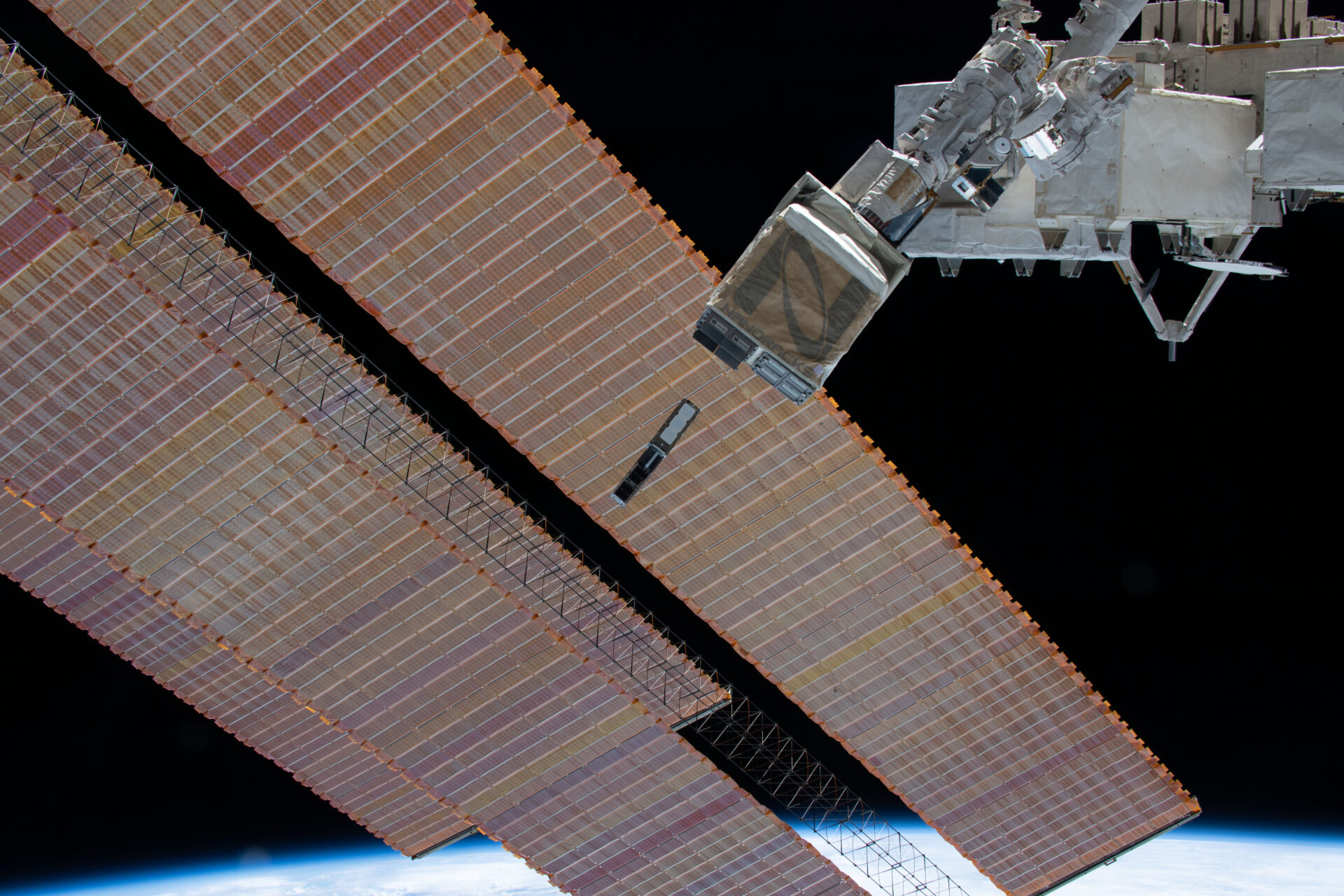
Canadian Space Agency funds Lassonde profs driving space innovation
Three researchers from Lassonde have received funding from the Canadian Space Agency’s FAST (Flights and Fieldwork for the Advancement of Science and Technology) program, supporting pioneering projects that push the boundaries of space science and technology while providing hands-on training opportunities for students preparing to lead Canada’s future space workforce.
The funded projects span critical areas of space innovation. Professor Regina Lee is advancing space situational awareness through the development of a low-cost optical system designed to detect and track space debris in challenging conditions, supporting safer and more sustainable space operations. Assistant Professor Marina Freire-Gormaly is exploring nanobubble technology to improve plant growth and food production in space-flight environments, addressing the challenge of sustaining long-duration missions. Professor Aleksander Czekanski is investigating bioprinting for rapid wound care in microgravity, supporting astronaut health through on-demand medical solutions that could shape the future of space medicine.
These initiatives offer students unparalleled experiential learning through space-like missions and applied research environments, equipping the next generation of engineers and scientists with the skills, insight and leadership needed to build a more sustainable future in space and beyond.
Stories

How York’s One WATER Institute is shaping water management

York scientist leads push for safe disposal of nuclear energy
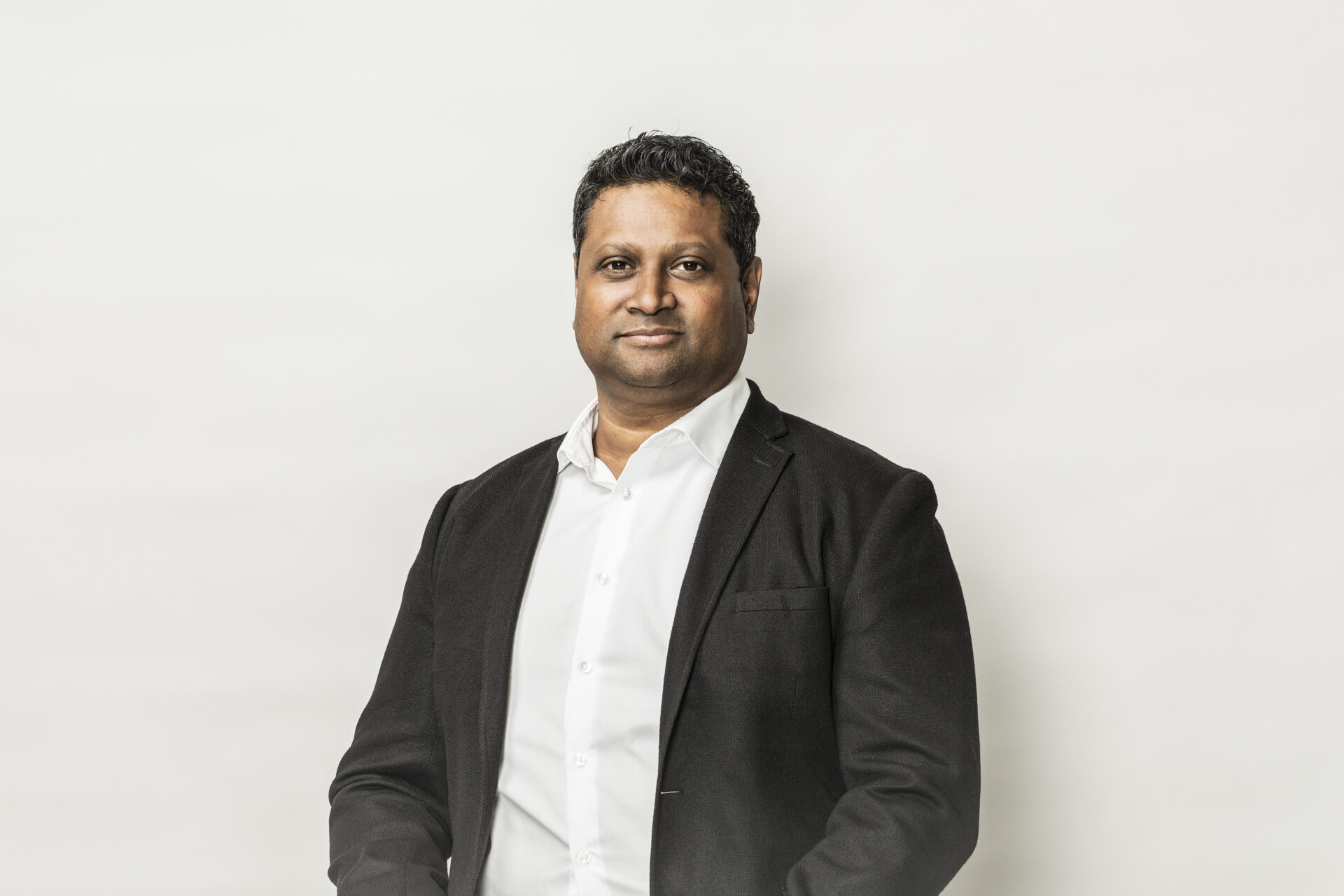
Research in Focus: accelerating innovation in smart, sustainable mobility

York U researchers design wearable device to monitor health

Federal funding fuels York-led initiative to train future mobility innovators

Transformative grad student research earns 2024 Thesis & Dissertation Prizes
Iuliia Kotseruba honoured with 2024 John Barron Doctoral Dissertation Award

Driving innovation: York professor named Amazon Scholar for transportation research

SmartTO mobility hub driving Ontario’s transportation future
Research in Focus: a blueprint for new era of manufacturing research excellence

It’s in the air: art, science and engineering merge to light up airborne pollution

NSERC grants advance York U research, community engagement in science
Research in Focus: advancing AI for a better tomorrow

Research at York U pushes boundaries of drone technology

Transport Canada funds York U project to enhance national road safety
York U’s Sustainable Development Goals Report underscores progress in action
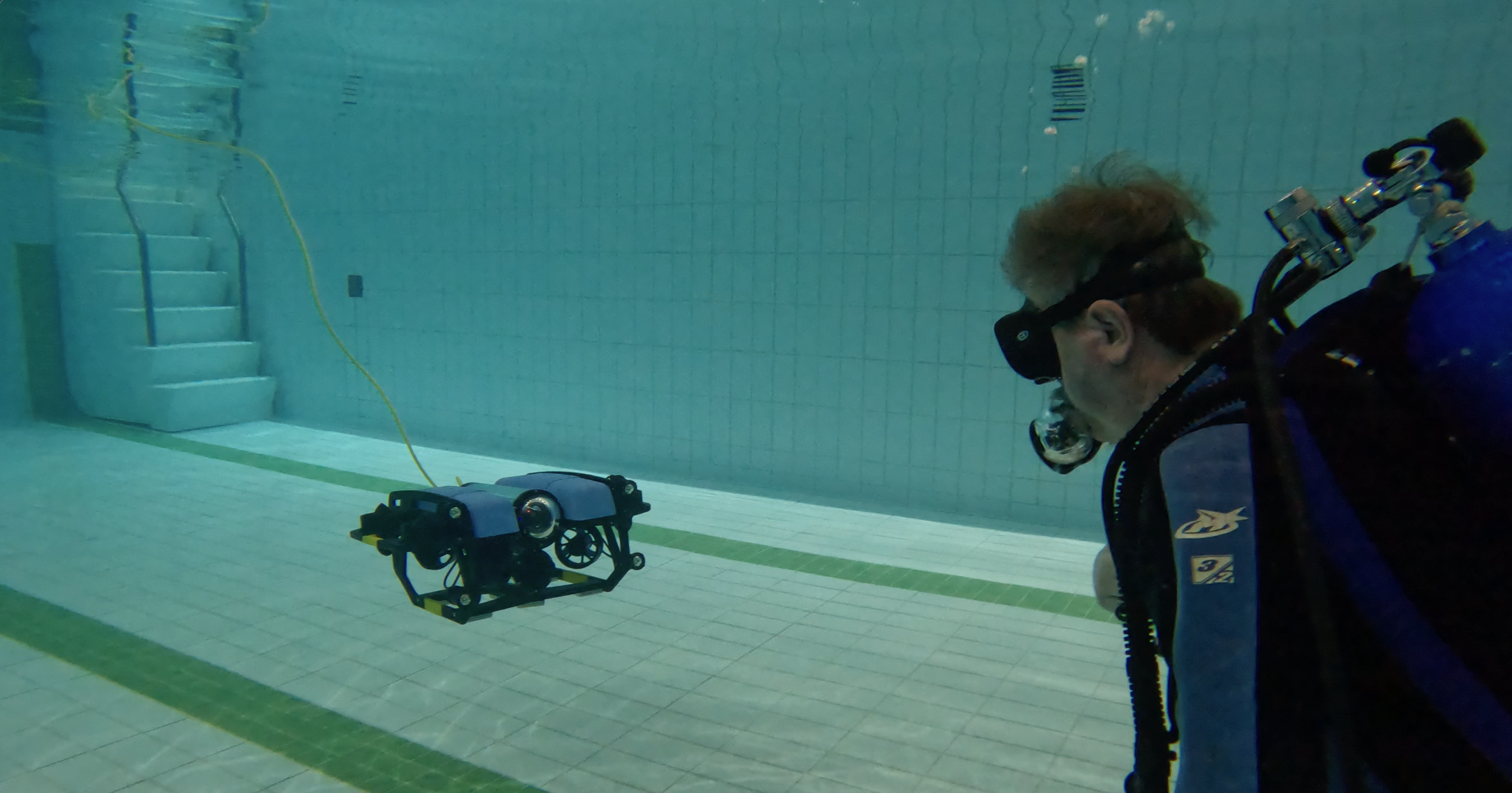
Lassonde researchers explore ways to build trust between humans, robots


Lassonde professor uses AI to expand clinical trials for chronic conditions
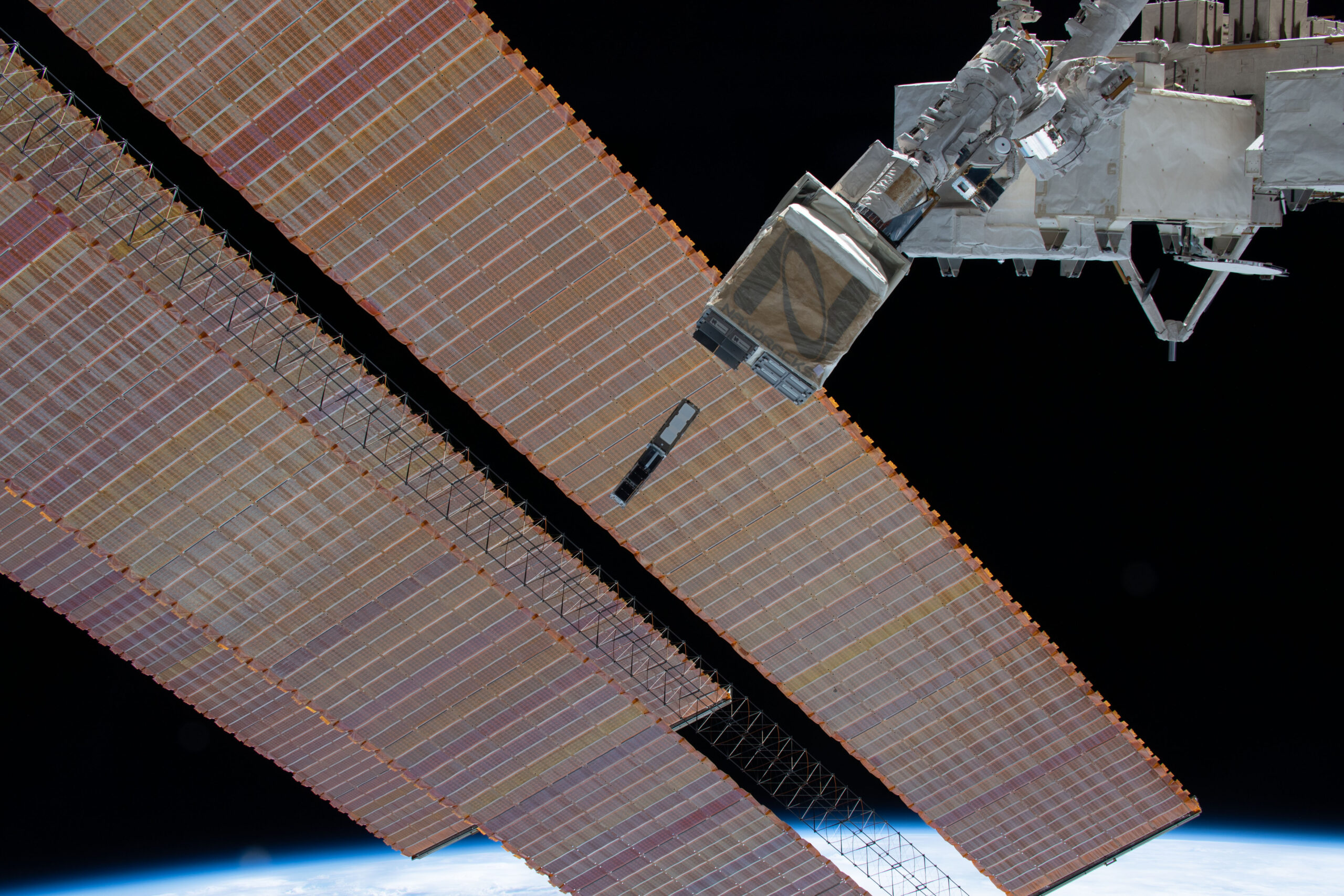
Top Aerospace Engineering Ranking and #26 in the World: Driving Global Innovation in Aerospace (UN SDG 9)

ChatGPT takes a byte out of code: How Lassonde researchers are using AI to support software development

Fueled for Success: Lassonde Professor receives Petro-Canada Emerging Innovator Award

Lassonde professor receives 2024 National Cybersecurity Consortium Funding for cybersecurity project

Lassonde professor helps improve safety of drinking water in Arctic

Engineering the future: How a Lassonde graduate student is helping transform power system cybersecurity
