

Mechanical Engineering
Bachelor of Engineering (BEng)
Accredited by the Canadian Engineering Accreditation Board
Create next-generation mechanical systems
Entry in: Fall and Winter
83% of co-op students
gain employment shortly after graduating
Program overview
Mechanical Engineering is about turning ideas into solutions that shape the world around us. From smarter machines and advanced manufacturing to sustainable energy and robotics, you’ll learn how to design the technologies that improve everyday life.
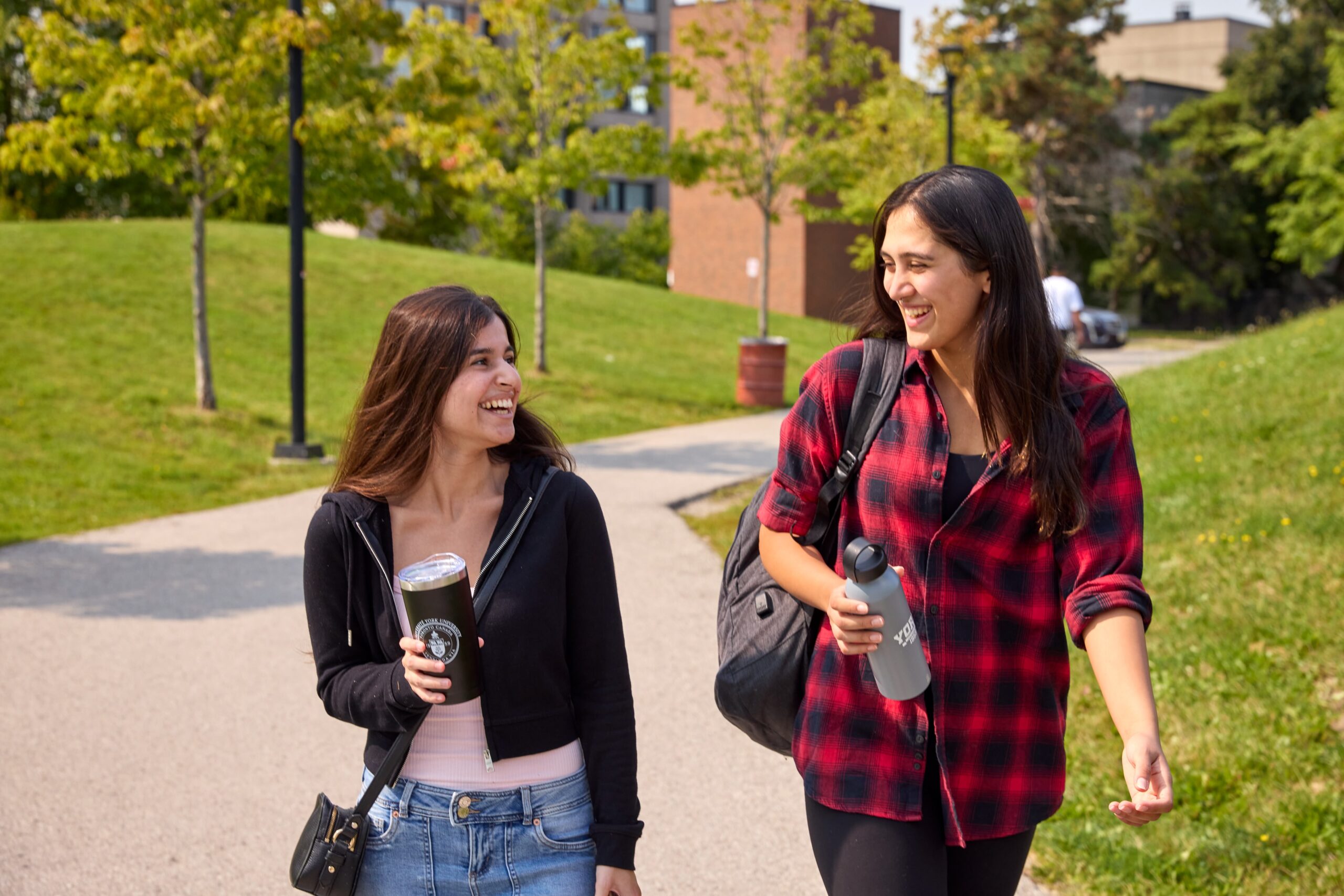
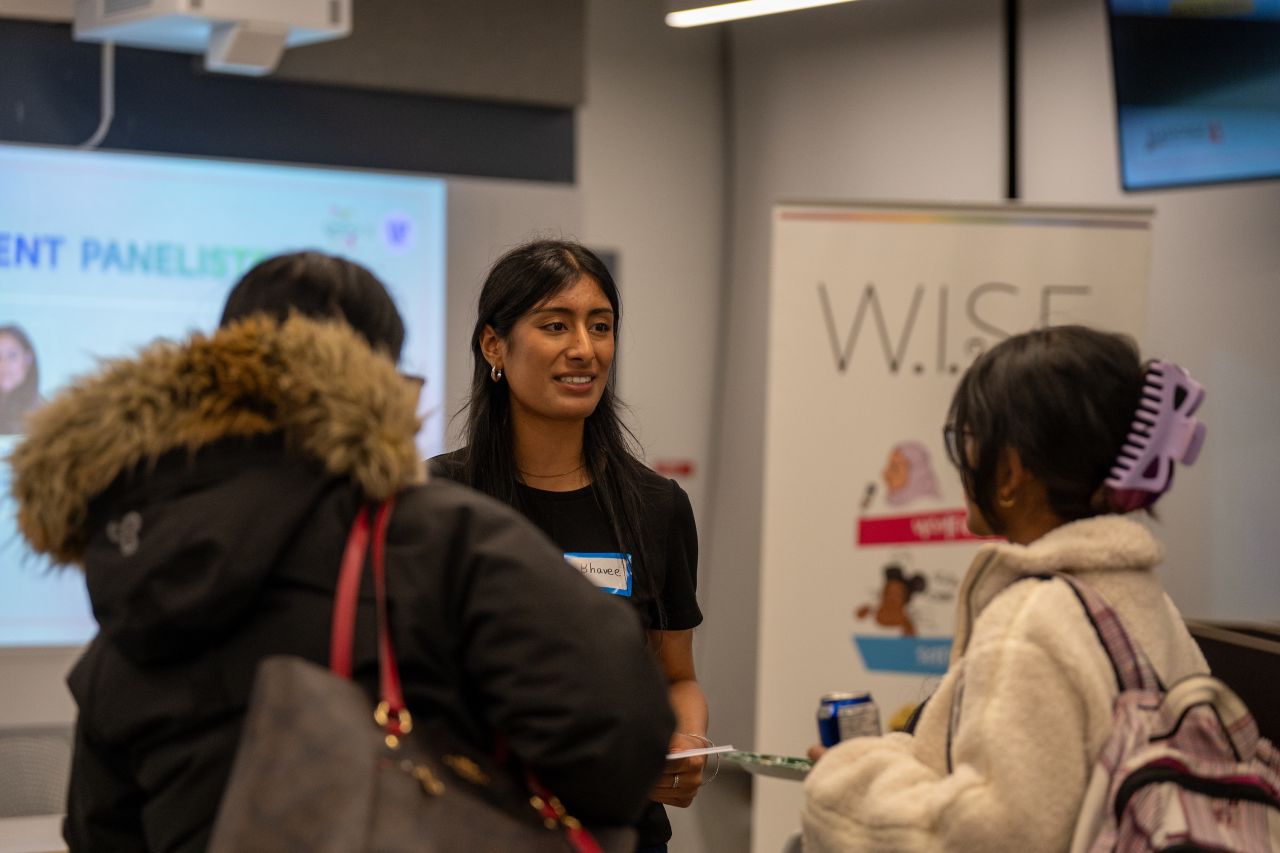
At Lassonde, you’ll join a supportive community where you can connect, collaborate and grow alongside peers from across engineering and computing. Together, you’ll explore how engineering transforms our world and how AI is driving innovation in robotics, advanced manufacturing, sustainable energy, and intelligent systems
Through co-op opportunities, you’ll take your learning beyond campus and gain valuable experiences in real engineering environments. You’ll build lasting friendships, grow your professional network, explore different career paths and graduate with the skills and confidence employers are looking for.
Why Mechanical Engineering at Lassonde
Integrating AI into modern solutions
Students are at the centre of learning, working alongside Artificial Intelligence (AI) experts whose research and projects shape the classroom experience. Through collaboration with faculty, students apply AI to solve real-world challenges and develop technologies that make a positive impact. For example, Mechanical Engineering student Garnet Maxwell created an AI-powered drone that maps urban litter, helping enable faster and more precise waste management.
Engineering Block Model option
You can choose to start your journey in the Engineering Block Model, a first-year experience built to support both your learning and your sense of belonging. Instead of balancing 5–6 courses at once, the Block Model lets you focus on fewer subjects at a time. You’ll take one intensive course alongside a longer-term course, completing a course every few weeks.
Powered through collaboration
Put your knowledge into action by working with student teams on projects you can see, test and improve. With clubs like York University Robotics Society, Lassonde Motorsport and Arbalest Rocketry, you’ll collaborate on everything from robotic prototypes to Formula-style race cars and high-powered rockets. These experiences help challenge and build your technical skills while learning how to design and create as part of an engineering team. Learn more about our student clubs.

Hands-on learning & lab experiences
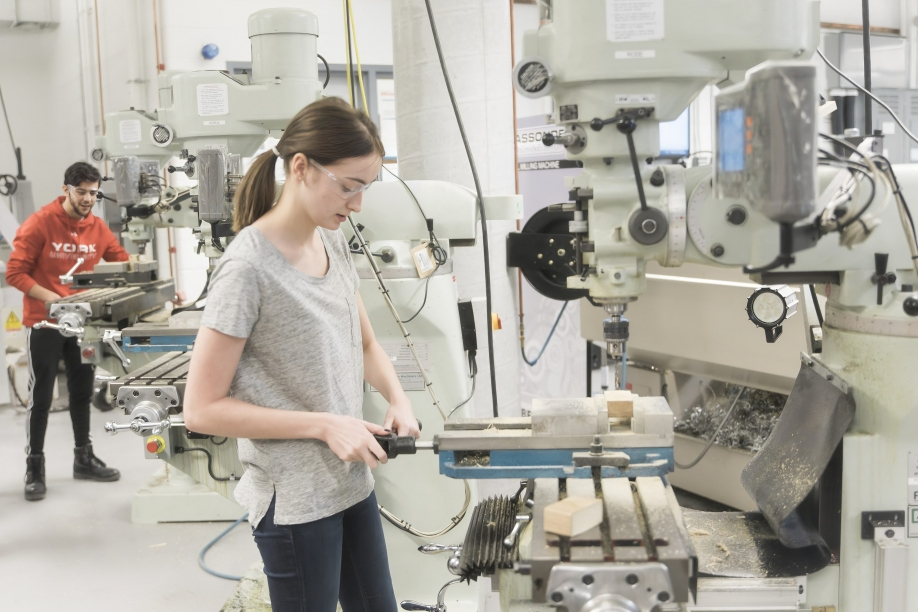
Lassonde Machine Shop
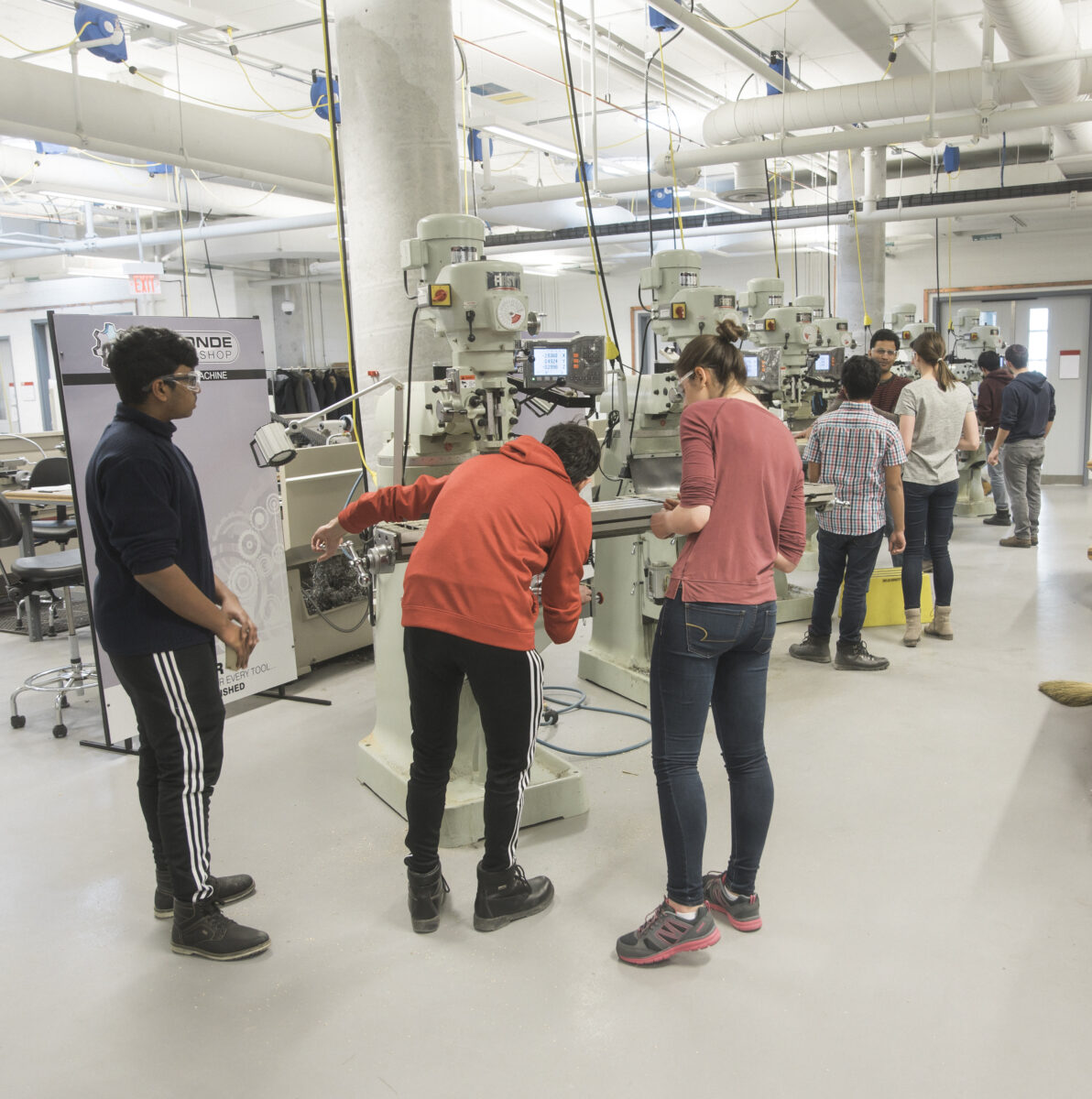
Bring your ideas to life using professional equipment like CNC mills, manual lathes, drill presses and saws to manufacture precision parts. Whether you’re building a prototype, creating a capstone project or competing with a student design team, you’ll experience transforming your concepts into real engineering solutions.
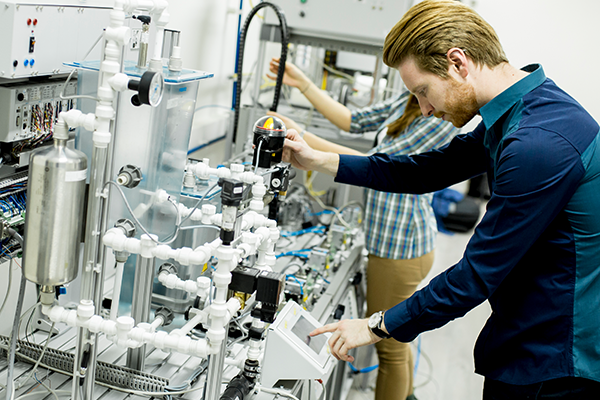
Robotics & Mechatronics Lab
Design, build and test automated systems by integrating mechanical components with electronics, sensors and computer-based control systems. Working with motors, actuators, data acquisition equipment and instrumentation tools, you’ll develop skills in programming, system control and performance analysis.
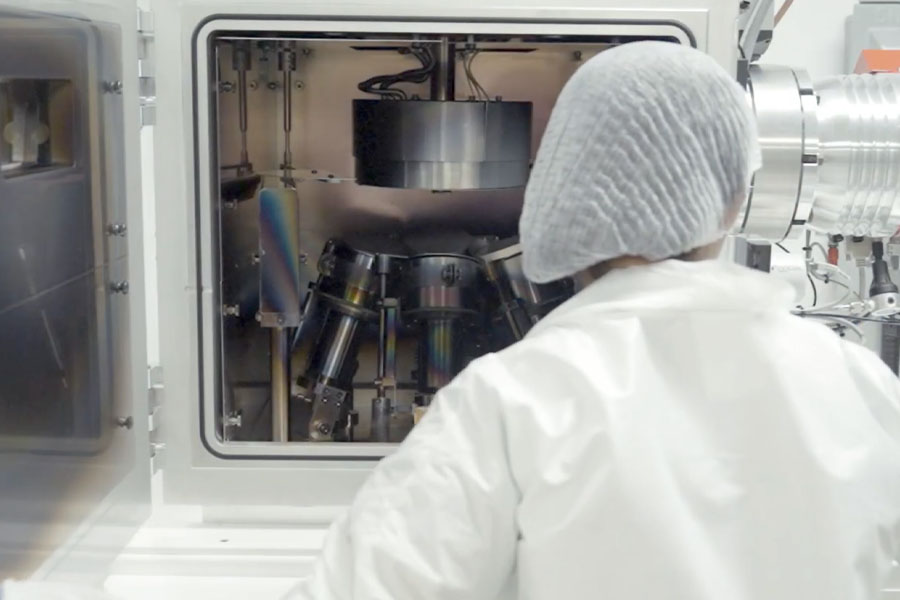
Microfabrication Facility
Work with advanced tools used to manufacture the micro and nanoscale components behind technologies. Using specialized fabrication techniques, you’ll explore how materials are carefully layered, shaped and tested to build devices used in robotics, healthcare, electronics and space exploration.
The future of design is the integration of artificial intelligence and generative methods to improve creativity, efficiency, and productivity in engineering.
— Professor Alidad Amirfazli, Mechanical Engineering, Lassonde School of Engineering, York University

Work-integrated learning
Gain industry experience with paid work terms
Co-op work terms begin after your second year, giving you time to build the knowledge, technical skills, and confidence needed to succeed in the workplace.
You’ll complete paid work terms where you can contribute to real engineering projects across industries such as automotive, aerospace, robotics, manufacturing and energy. You could help design mechanical components, develop prototypes, test new technologies or improve existing systems. With flexible 4, 8, or 12-month placements, you can tailor your experience to your goals while building in-demand skills, growing your network, and exploring what excites you most about your future career, all while being supported at every step.
Notable co-op employers
- Suncor Energy
- General Motors of Canada
- Sanofi Pasteur
- Siemens
- Ontario Power Generation

500+

An average of $26/hr
Co-op employers
Work around the world

Launch your career in Mechanical Engineering
In demand across every industry
Graduates of our program have gone on to build careers across all sectors, including healthcare, finance, government, transportation, manufacturing and tech.
Where our grads work
Cimco Refrigeration
Project engineering designer, product design engineer
Rycom
Building systems analyst, process engineer
Zebra Technologies
Mechanical engineer, manufacturing engineer
JRBS Machine & Lasercut Fab Inc.
Design engineer, compliance engineer
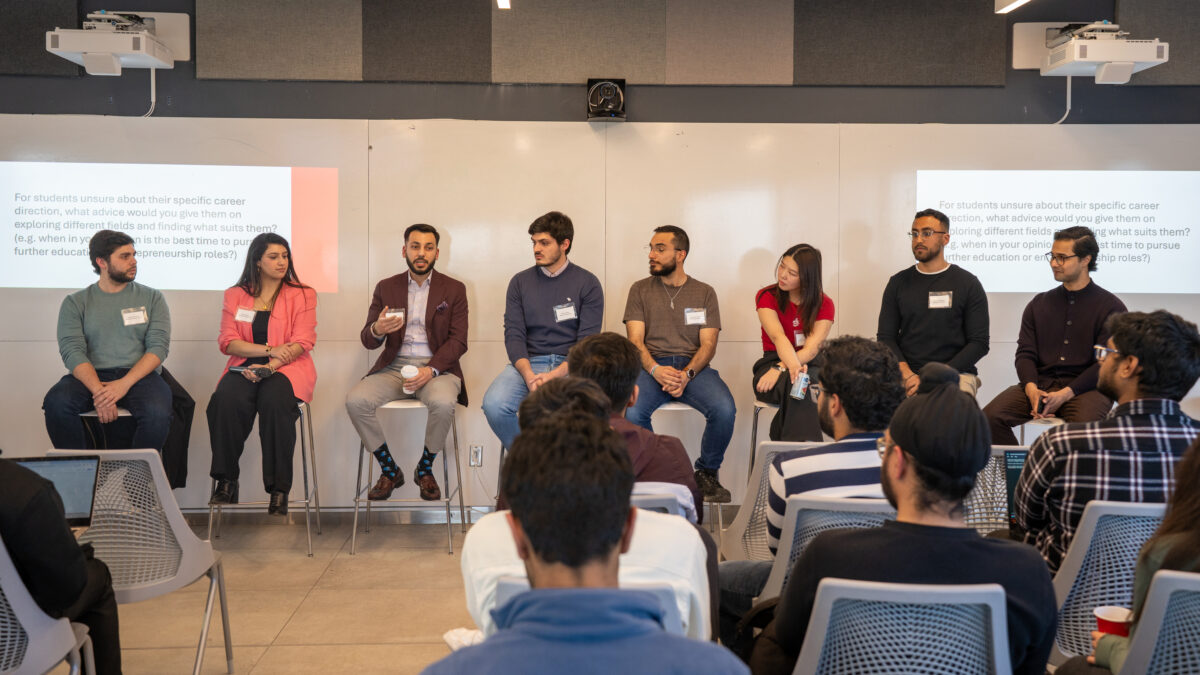
Why this career is future-proof
As a future mechanical engineer, you’ll be entering a field with strong long-term demand. With 29% of Canada’s mechanical engineering workforce aged 50 or older and approaching retirement, companies will need skilled graduates who can help design, test and improve the machines, products and systems that keep industries moving forward.
Learn from exceptional faculty
Faculty research brings emerging technologies and breakthroughs into your courses, giving you a closer look at where the field is headed. Professor George Zhu helped lead DESCENT, Canada’s first in-orbit test of technology designed to remove space debris. Professor Garrett Melenka is developing an intelligent knee brace that combines AI and sensors to track movement during recovery and help healthcare providers better monitor patient progress.
Important information for applicants
Course details
Sample schedules
Mechanical Engineering (B.Eng)
Year One Common Core
Fall Term
• Class • Lab • Tutorial
Mon
Applied Linear Algebra
Computational Thinking Through Procedural Programming & Mechatronics
Engineering Mechanics
Engineering Mechanics
Tues
Applied Calculus I
Renaissance Engineer 1: Ethics, Communication & Problem Solving
Wed
Applied Linear Algebra
Computational Thinking Through Procedural Programming & Mechatronics
Engineering Mechanics
Thurs
Applied Calculus I
Computational Thinking Through Procedural Programming & Mechatronics
Renaissance Engineer 1: Ethics, Communication & Problem Solving
Fri
Applied Linear Algebra
Engineering Mechanics
Engineering Mechanics
Mechanical Engineering (B.Eng)
Year One Common Core
Winter Term
• Class • Lab • Tutorial
Mon
Applied Calculus II
Electricity, Magnetism and Optics for Engineers
Chemistry and Materials Science for Engineers
Discrete Mathematics for Engineers
Tues
Chemistry and Materials Science for Engineers
Renaissance Engineer 2: Engineering Design Principles
Object-Oriented Programming & Telemetry as Engineering Cornerstones
Wed
Applied Calculus II
Electricity, Magnetism and Optics for Engineers
Discrete Mathematics for Engineers
Discrete Mathematics for Engineers
Thurs
Chemistry and Materials Science for Engineers
Electricity, Magnetism and Optics for Engineers
Renaissance Engineer 2: Engineering Design Principles
Fri
Applied Calculus II
Electricity, Magnetism and Optics for Engineers
Electricity, Magnetism and Optics for Engineers
Chemistry and Materials Science for Engineers
Object-Oriented Programming & Telemetry as Engineering Cornerstones
Mechanical Engineering (B.Eng)
Year Two Common Core
Fall Term
• Class • Lab • Tutorial
Mon
Introductory Probability & Statistics
Applied Multivariate & Vector Calculus
Mechanics of Material 1
Thermodynamics
Engineering and the Environment
Tues
Thermodynamics
Dynamics
Mechanics of Material 1
Introductory Probability & Statistics
Wed
Introductory Probability & Statistics
Applied Multivariate & Vector Calculus
Mechanics of Material 1
Engineering and the Environment
Thurs
Thermodynamics
Dynamics
Dynamics
Fri
Introductory Probability & Statistics
Applied Multivariate & Vector Calculus
Mechanics of Material 1
Thermodynamics
Mechanical Engineering (B.Eng)
Year Two Common Core
Winter Term
• Class • Lab • Tutorial
Mon
Heat & Flow Engineering Principles
Engineering Graphics & CAD Modeling
Modern Instrumentation & Measurement Techniques
Tues
Heat & Flow Engineering Principles
Engineering Graphics & CAD Modeling
Mechanical Engineering: Professionalism & Society
Wed
Heat & Flow Engineering Principles
Engineering Graphics & CAD Modeling
Modern Instrumentation & Measurement Techniques
Mechanical Engineering: Professionalism & Society
Thurs
Effective Engineering Communication
Effective Engineering Communication
Mini Design Project 1
Fri
Heat & Flow Engineering Principles
Mini Design Project 1
Looking for more? Browse upper-year courses
Connect with Us
Join a community of change makers. Join Lassonde.