

Computer Science
BSc • BA • International iBSc / iBA • Dual Degree pathways
Build technology that shapes what comes next — and works for people
Entry in:
Fall or Winter
Work that challenges you
design and improve real systems — not just code
Program overview
Computer science is changing fast, and AI is transforming the field in exciting ways. As AI takes on more routine tasks, computer scientists are focusing on work that is more creative, collaborative and impactful than ever before.
At Lassonde, you’ll build strong foundations in programming, algorithms, data structures and systems through hands-on labs, team projects and supervised work experiences. Along the way, you’ll collaborate with classmates, connect with mentors and gain the real-world skills employers are looking for.
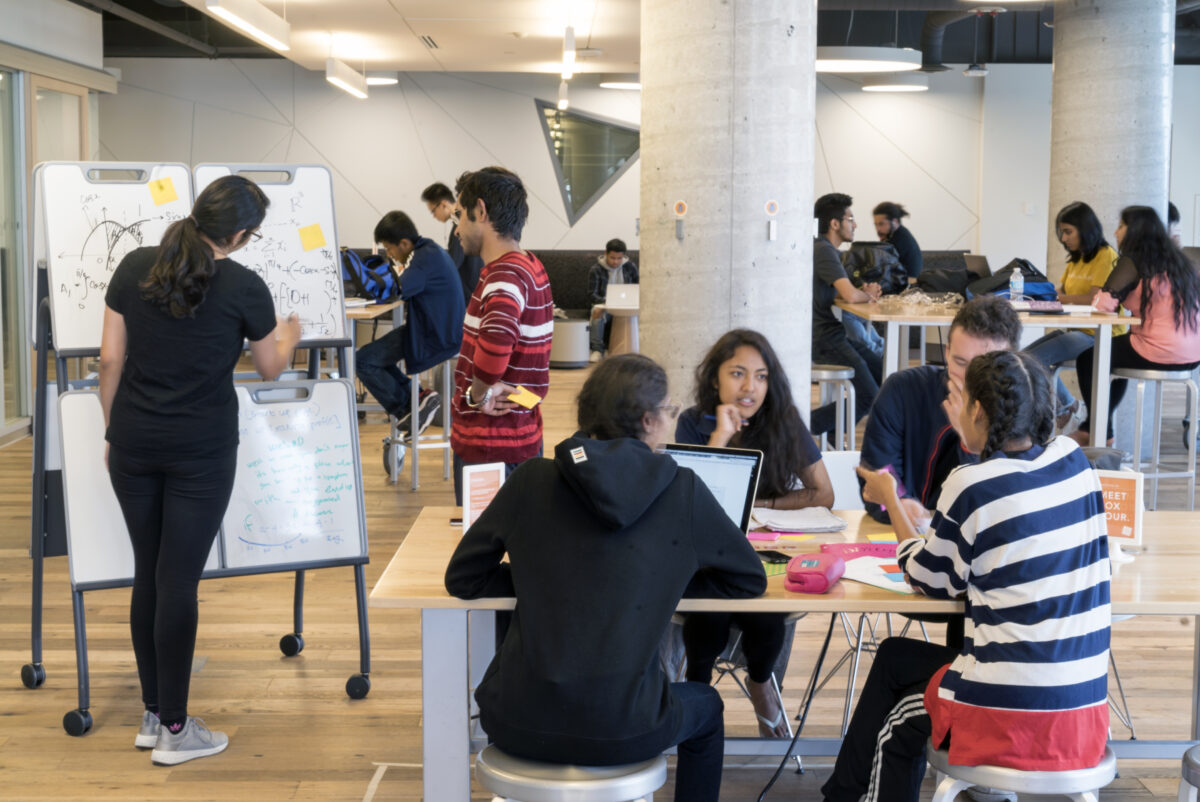
Beyond the classroom, you’ll become part of a supportive student community where you can explore spaces like the Sandbox, join student-led activities and make connections that help you feel at home from day one.
Lassonde’s Computer Science program prepares you to confidently step into the future of technology while building meaningful friendships, experiences and opportunities along the way.
Why Computer Science at Lassonde?
Computer Science taught for today
Computer Science goes beyond coding. You’ll learn to design systems, optimize performance and understand technology’s real-world impact while building connections with classmates who share your interests.
Students also explore AI tools throughout the program, especially in projects and upper-year courses, gaining hands-on experience and learning to critically evaluate outputs in a collaborative community.
Learning built around doing
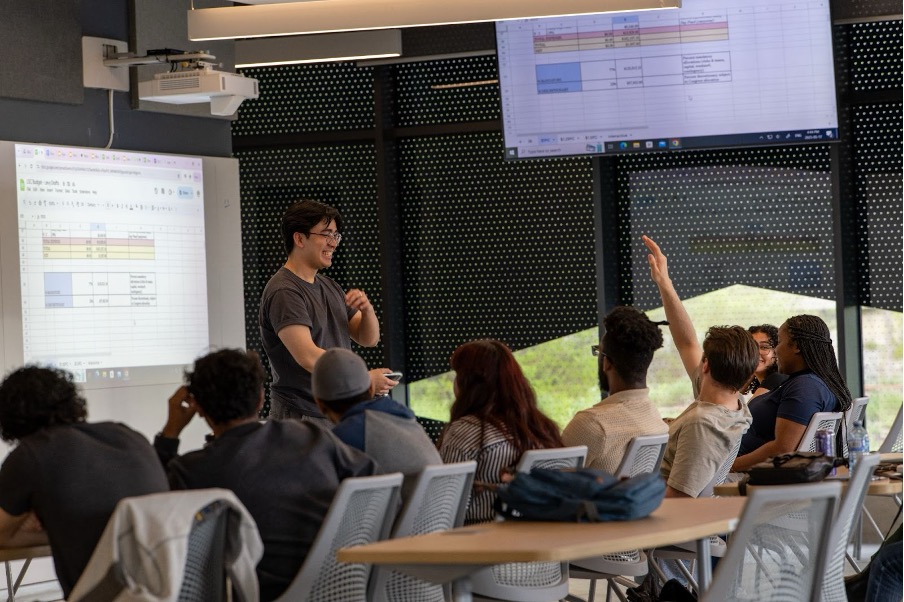
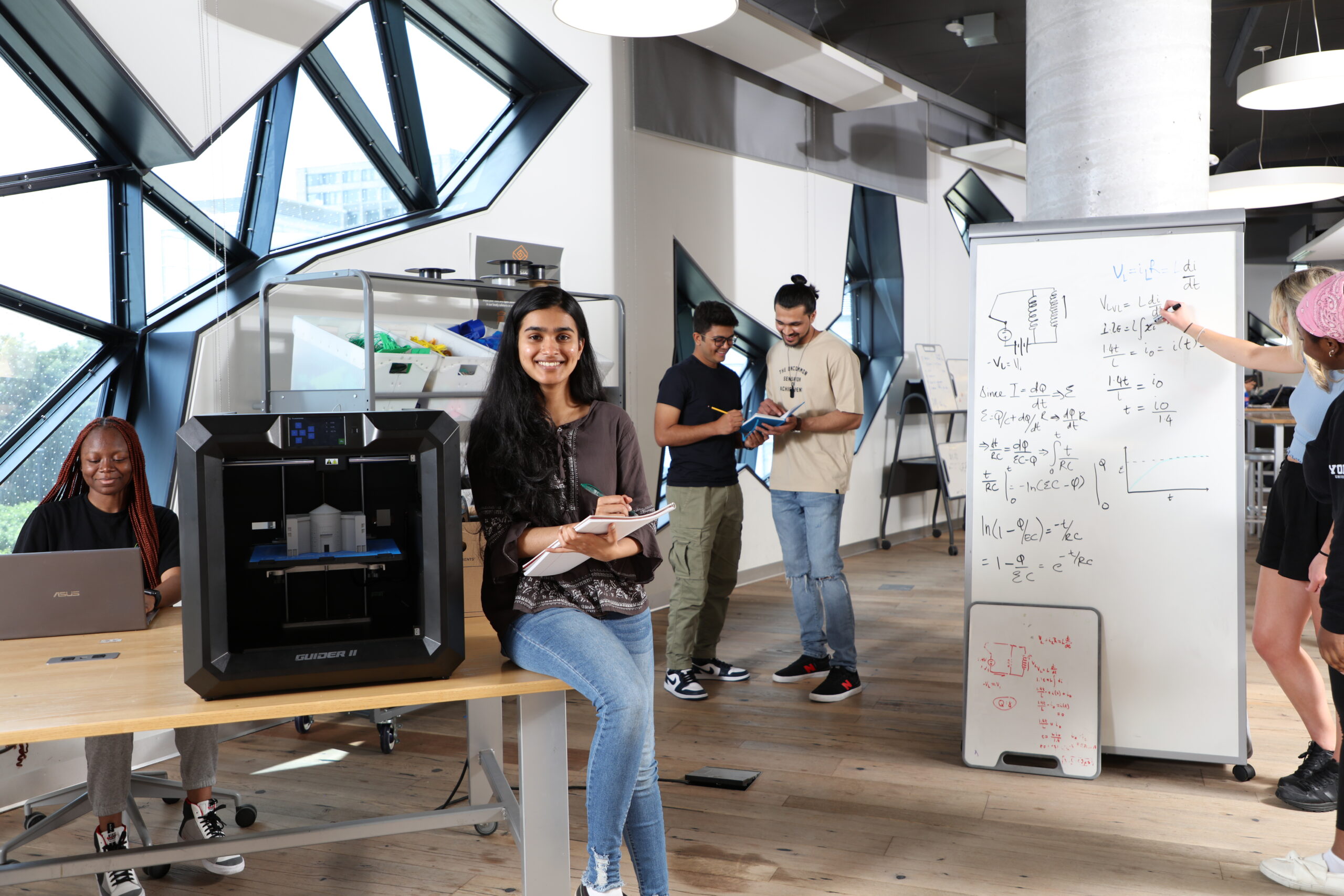
Hands-on learning runs throughout the program. You’ll start early with labs, project-based courses, and applied assignments that let you learn by building and experimenting, not just studying theory.
In upper years, you can take faculty-supervised project courses, working on problems you help define and developing real solutions from start to finish. You’ll create deliverables, present results and gain experience that reflects real-world computing teams.
Technology built with people in mind
Software and AI systems shape everyday life. This program introduces responsibility as an important part of modern computing work.
You’ll learn to build secure, reliable, people-centered technology. Courses cover safety, impact, long-term use, and topics like security, privacy, and human-computer interaction through hands-on projects and supervised work.

Hands-on learning & lab experiences
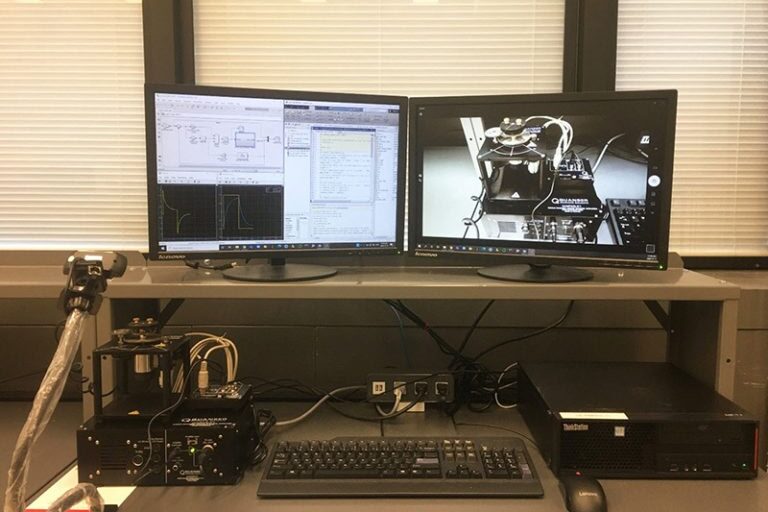
Digital Support Lab
Equipped with advanced measurement and design tools, the lab supports hands-on learning in areas such as digital logic, embedded systems, computer architecture, very-large-scale integration (VLSI), the Internet of Things (IoT) and wireless communications, providing the space and industry-standard equipment to design, build and test digital computing devices.
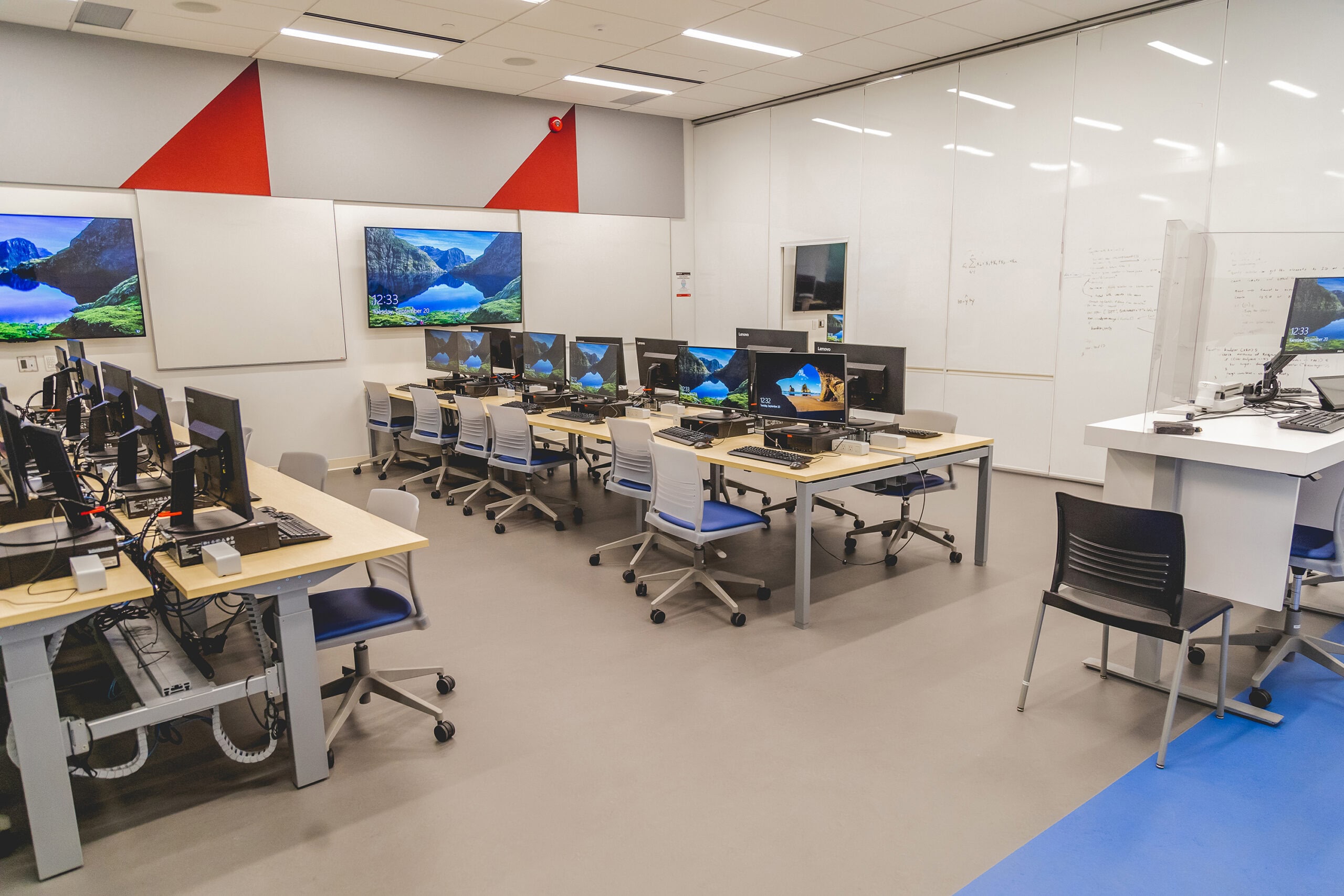
William Small Centre Labs
Used in core courses like programming in Python and Java, object oriented programming, web development with HTML CSS and JavaScript and introductory computing concepts, the labs provide the essential tools and environment to learn by doing.
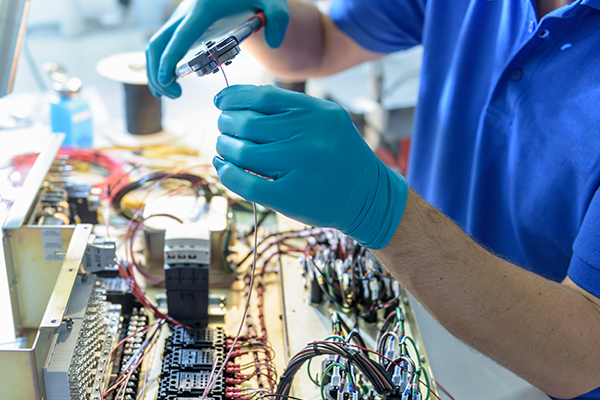
The Power Systems Support Lab
Used in courses focused on power engineering, distributed energy networks and sustainable energy systems, this lab provides hands-on experience using industry-standard power measurement tools and workstations to analyze, test and manage real-world electrical power systems.
“It's important to generate novel and beneficial technologies that improve quality of life — and to understand how disruptive technologies can be integrated into society.”
— Professor James Elder, Electrical Engineering & Computer Science, Lassonde; Co-Director, Centre for AI & Society, Lead, Infrastructure and Facilities Committee, Connected Minds

Work-integrated learning
Gain industry experience with paid work terms
Through Lassonde’s co-op program, co-op work terms begin after your second year, with students applying in year two. This makes first year an important time to build your academic foundation and technical skills.
From there, you’ll take on paid work terms across technology, finance, public service, research, and other areas where computer science plays a key role. With flexible 4, 8, or 12-month placements, you can tailor your experience to your goals while building in-demand skills, growing your network, and exploring what excites you most about your future career, all while being supported at every step.
Notable co-op employers
- Caseware
- CIBC
- IBM
- Ministry of Children, Youth and Social Services I&IT Cluster
- SOTI Inc.

500+

An average of $25/hr
Co-op employers
Work around the world
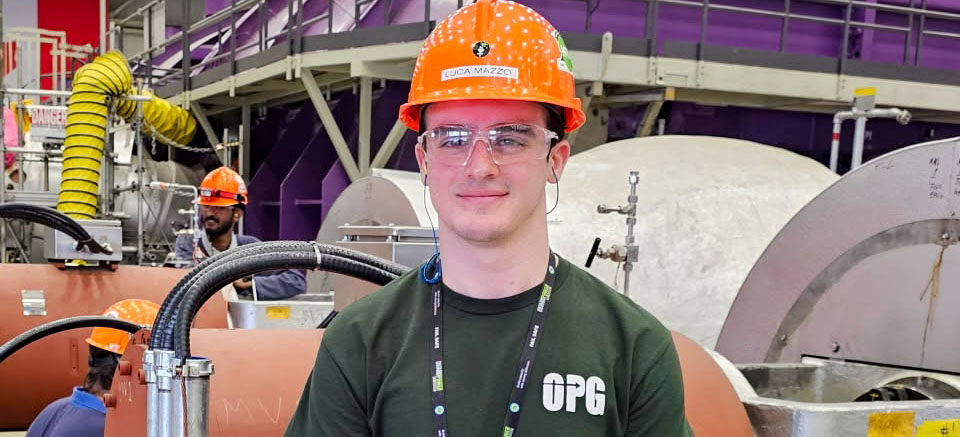
Launch your career in the Computer Science industry
Building careers in software and innovation
Graduates of our program have gone on to build careers in leading technology companies, software firms, and innovative startups.
Where our grads work
IBM Canada
Software developer, systems programmer, brand technical specialist
Amazon
Software developer, software engineer, full-stack developer
Manulife
Site reliability engineer, software developer, full-stack developer
RBC
Senior devops developer, senior full stack developer, software developer
Microsoft
Front end developer, fullstack engineer, customer success account manager
Shopify
Software engineer, applied machine engineering, site reliability engineer
Grad success stories
Why this career is future-proof
As AI transforms the workplace, computer scientists’ roles are also shifting. Routine tasks are increasingly automated, which frees you to focus on what machines cannot replicate, including creativity, empathy, judgment and big-picture thinking.
You’ll be prepared for this future by building a strong interdisciplinary foundation in AI, data science, cybersecurity, computer vision, distributed systems and networks. This combination equips you to design technologies that work seamlessly with people.
Learn from exceptional faculty
You’ll learn directly from faculty who are pushing the boundaries of AI, machine learning, computer vision, accessibility and human-centred design, all focused on solving real-world challenges that matter.
Ranked #2 in Toronto for world-class faculty in AI by the Shanghai Ranking
Experience a learning environment shaped by expertise at the forefront of the field. From day one, research is integrated into your studies through hands-on projects, research opportunities and close mentorship that lets you work alongside faculty building and studying real systems.
Important information for applicants
Course details
Sample first-year schedules
Computer Science BSc/BA
Year One Common Core
Fall Term
• Class • Lab • Tutorial
Mon
Introduction to Computing: A Net-centric Approach
Physics with Life Science Applications 1
Applied Linear Algebra
Research Directions in Computing
Tues
Differential Calculus with Applications
Physics with Life Science Applications 1
Differential Calculus with Applications
Wed
Physics with Life Science Applications 1
Applied Linear Algebra
Thurs
Differential Calculus with Applications
Introduction to Computing: A Net-centric Approach
Fri
Physics with Life Science Applications 1
Applied Linear Algebra
Computer Science BSC/BA
Year One Common Core
Winter Term
• Class • Lab • Tutorial
Mon
Research Directions in Computing
Integral Calculus with Applications
Tues
Introduction to Object Oriented Programming
Wed
Integral Calculus with Applications
Integral Calculus with Applications
Thurs
Introduction to Object Oriented Programming
Fri
Integral Calculus with Applications
Looking for more? Browse upper-year courses and see the full list of program requirements.
Connect with us
For undergrad inquiries
“*” indicates required fields