

Computer Engineering
Bachelor of Engineering (BEng)
Accredited by the Canadian Engineering Accreditation Board
Design the intelligent systems powering the AI era
Entry in: Fall
83% of co-op students
gained employment shortly after graduating*
*Based on a 2025 survey of recent graduates
Semiconductor talent in short supply*
AI driving demand
*ICTC, Mapping Canada’s Semiconductor Industry, 2025
AI use has tripled*
Driving demand for computing systems
*Statistics Canada, Canadian Survey on Business Conditions, 2026
Program overview
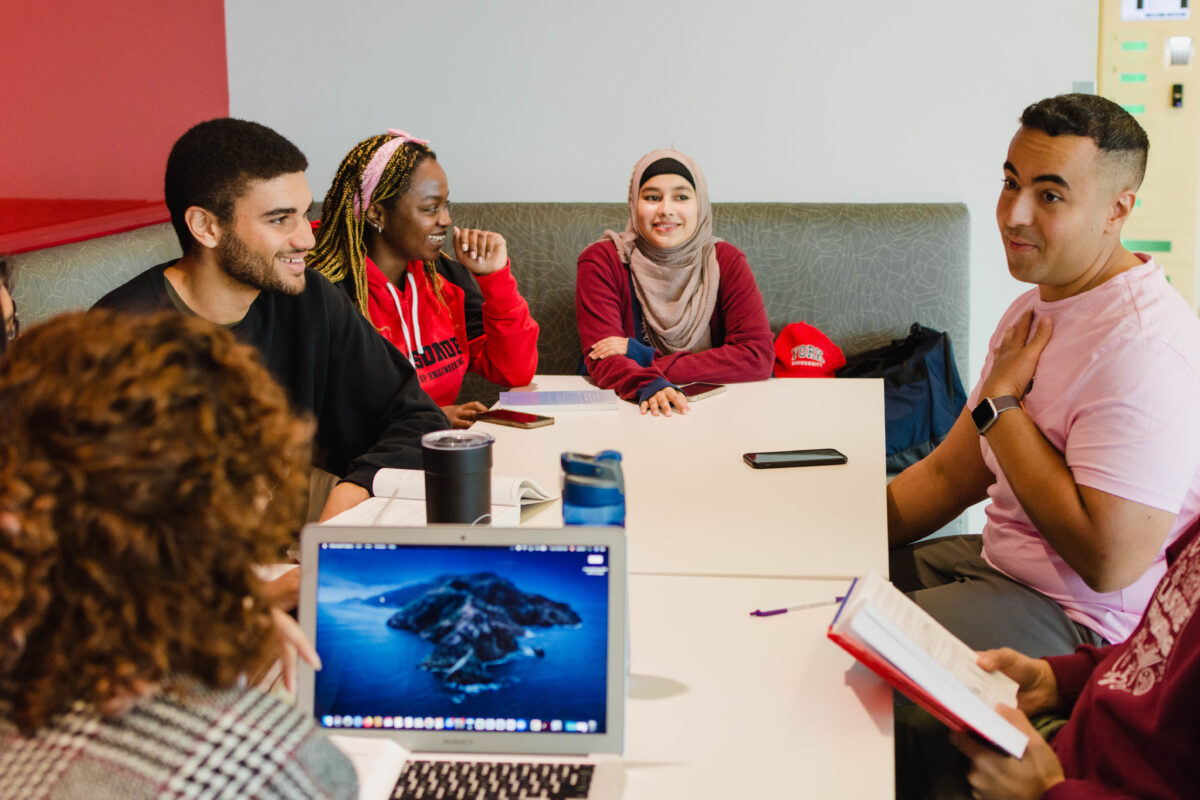
If you love building technology, solving problems and seeing your ideas come to life, you’ll feel right at home in Computer Engineering. You’ll join a community of students who are passionate about computing, electronics, robotics and intelligent systems, learning together through labs, projects, student clubs and design teams.
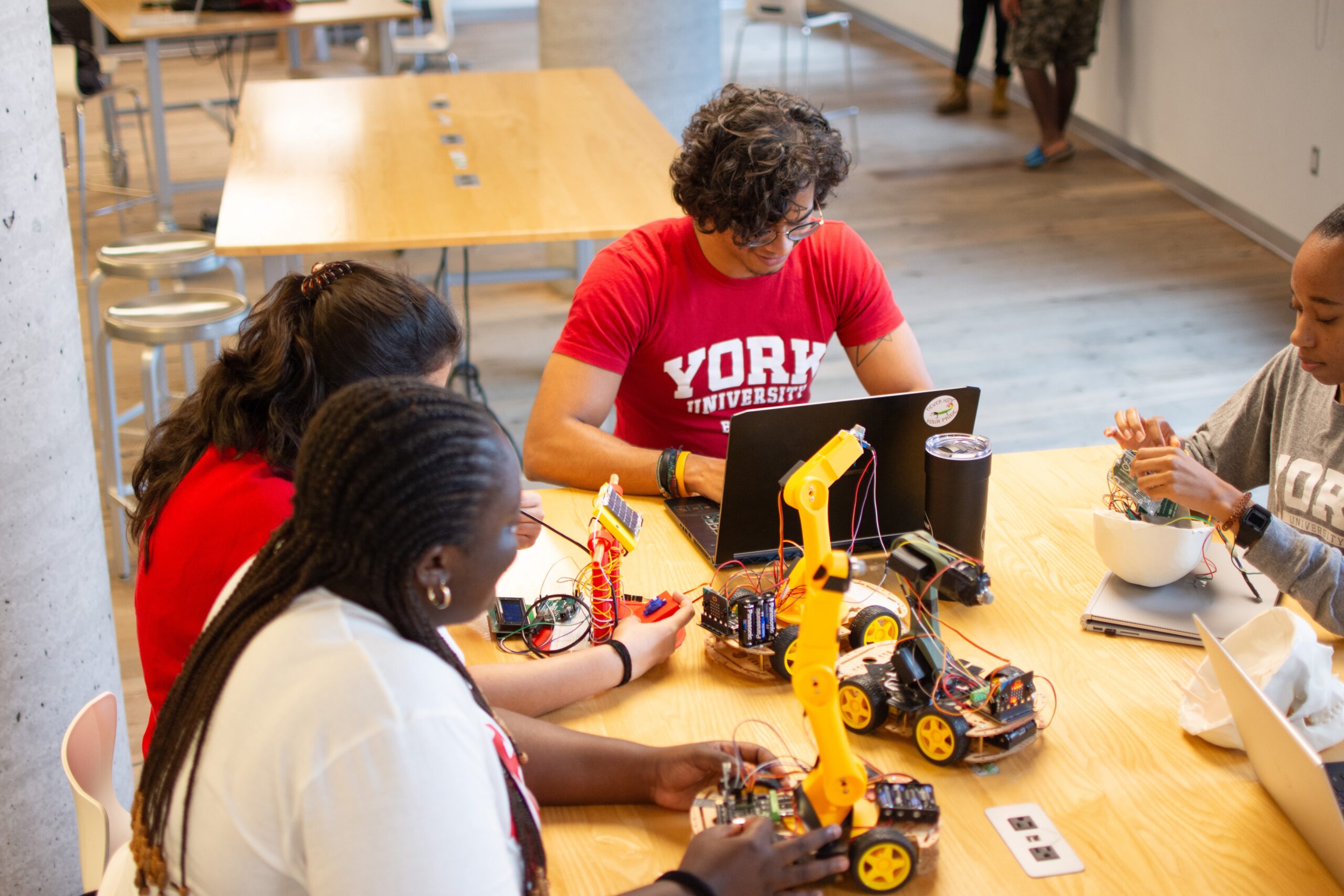
From your first year, you’ll start creating. Through lectures, hands-on labs and collaborative projects, you’ll learn electronics, computing and engineering design, bringing together hardware and software to develop integrated systems.
As you move through the program, you’ll take on bigger challenges, designing circuits and embedded systems and exploring digital hardware, robotics, AI and connected devices. You’ll also get hands-on experience with the tools and technologies used in industry.
Before you graduate, you’ll have the chance to gain paid experience through co-op, take on real industry projects and discover what areas of computer engineering interest you most. With opportunities across health care, energy, aerospace, automotive, tech and more, you’ll graduate with the skills and experience to take your next step with confidence.
Why Computer Engineering at Lassonde
Bridges hardware and software
Hardware + software = what’s next If you want to understand how the technology behind AI, robotics and smart devices actually works, Computer Engineering brings hardware and software together. You’ll design electronics, work with microcontrollers and computing systems, and use programming to bring technology to life. Starting in your first labs, you’ll gain hands-on experience with tools such as Java, MATLAB and Linux while learning how the components behind intelligent technologies work together.
Engineering Block Model option
You can choose to start your journey in the Engineering Block Model, a first-year experience built to support both your learning and your sense of belonging. Instead of balancing 5–6 courses at once, the Block Model lets you focus on fewer subjects at a time. You’ll take one intensive course alongside a longer-term course, completing a course every few weeks.
Get involved. Have fun.
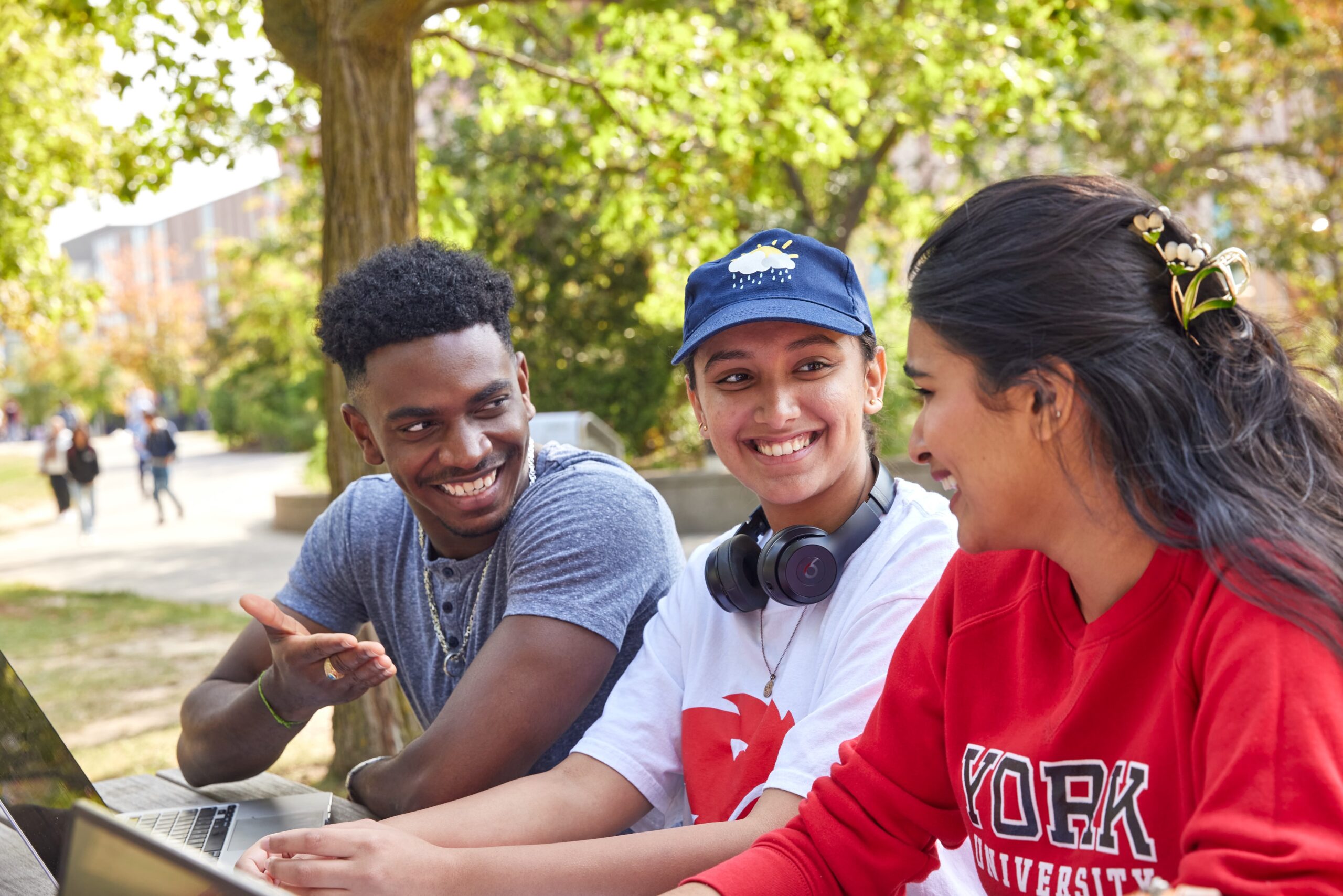
Join clubs like the York University Robotics Society, Lassonde Motorsport and the Computing Students Hub, where you can meet friends, try new things and work on everything from robotic prototypes and Formula-style race cars to hackathons and workshops. It’s a chance to put your skills into practice, take on new challenges and be part of a community that shares your interests. Learn more about our student clubs.

Hands-on learning & lab experiences
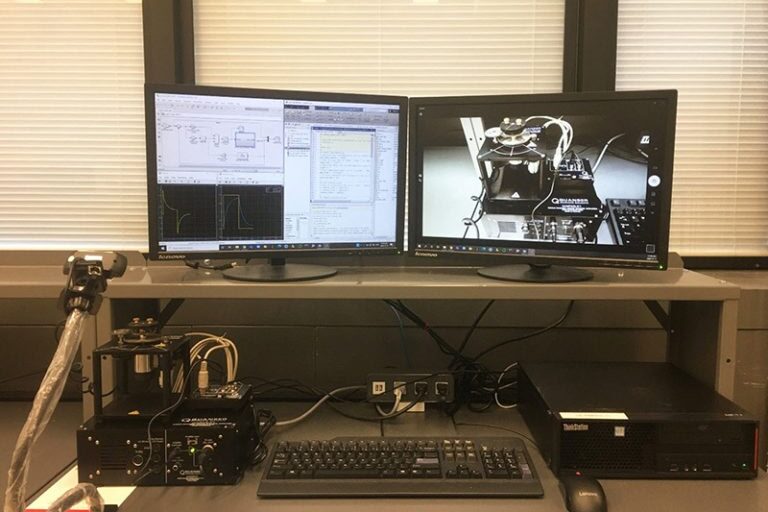
Digital Support Lab
Equipped with modern tools and resources, the Digital Support Lab gives students the opportunity to design, build, and test digital technologies. The lab supports learning across areas such as digital systems, embedded devices, computing and wireless technologies through courses, projects and creative applications.
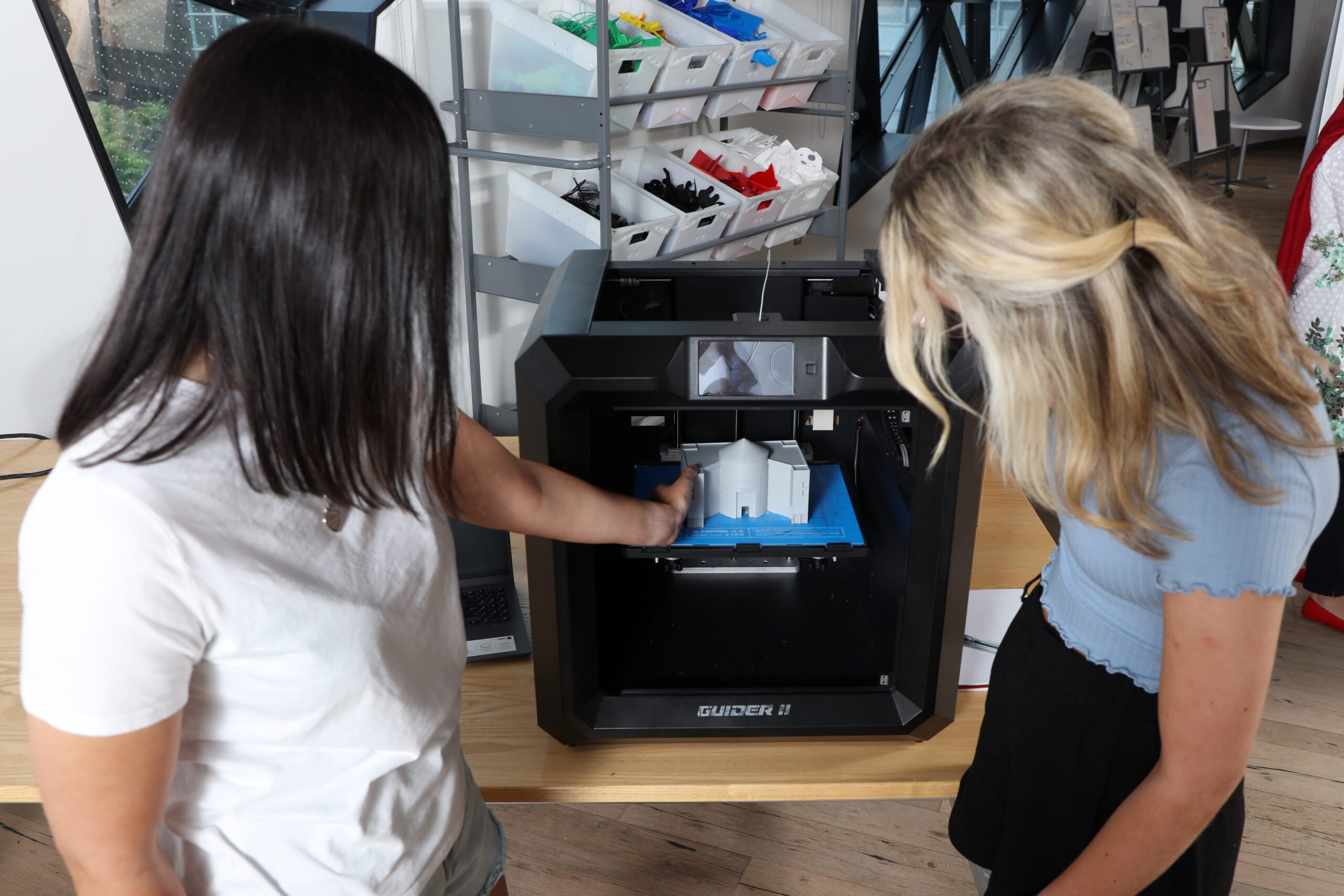
The Sandbox
The Sandbox puts students at the center of hands-on creation and collaboration. With access to tools like 3D printing, laser cutting and dedicated team spaces, students can quickly prototype, test and refine ideas. It’s an environment made for experimenting, building and learning.

Electronics Teaching Lab
Build and test electronic circuits using oscilloscopes, function generators and other industry-standard tools. You’ll work with sensors, digital and analog components and embedded hardware to design, troubleshoot and refine the systems you create.
If you are the kind of person who loves technology and wants to understand and shape the future of it, you are in the right place.
— Chandan Soni, Software Engineer at BMO, Computer Engineering alumni

Work-integrated learning
Gain industry experience with paid work terms
Through Lassonde’s co-op program, co-op work terms begin after your second year, with students applying in year two. This makes first year an important time to build your academic foundation and technical skills.
You’ll apply to Lassonde’s co-op program in your second year, with paid work terms beginning after second year. Choose from flexible 4, 8 or 12-month placements and gain experience with employers across technology, telecommunications, robotics, automotive, health care, energy and more. Depending on your placement, you could work on embedded systems, connected technologies, electronics, robotics or AI-powered solutions. Along the way, you’ll gain in-demand skills, grow your professional network and discover the areas of computer engineering that interest you most, with support every step of the way.
Notable co-op employers
- AMD
- Bell
- Evertz Microsystems Ltd.
- Ontario Power Generation
- RBC
- Synopsys Canada

500+

An average of $27/hr
Co-op employers
Work around the world

Launch your career in Computer Engineering
In demand across every industry
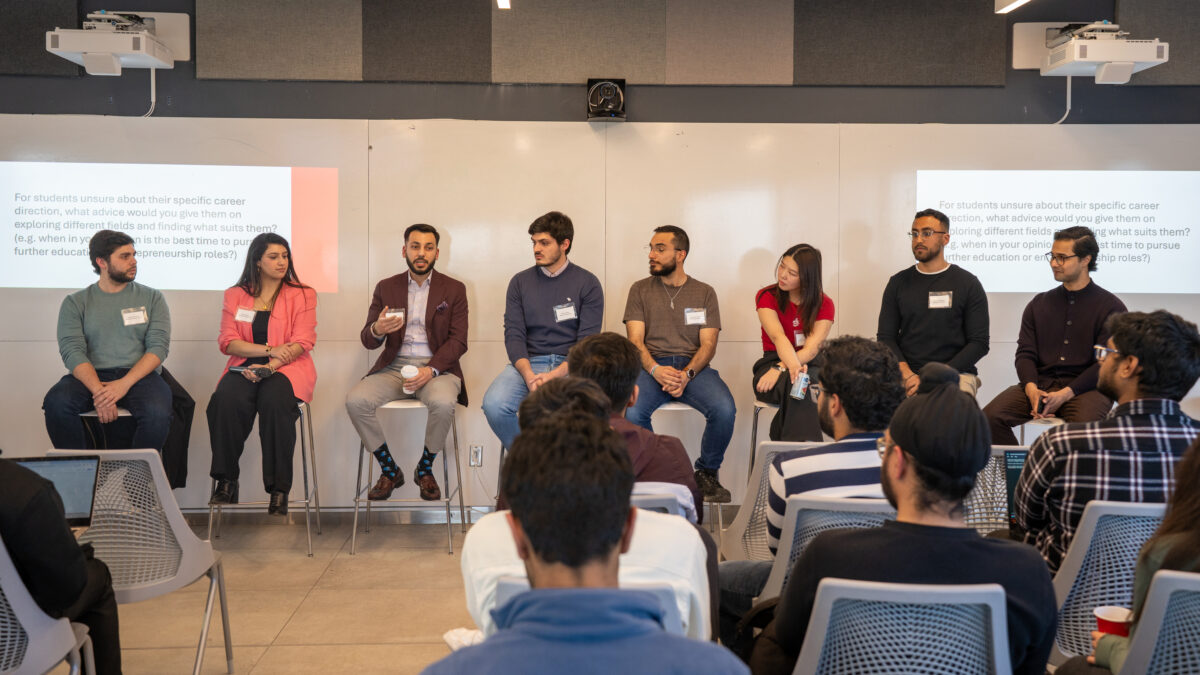
Graduates of our program have gone on to build careers across all sectors, including healthcare, finance, government, transportation, manufacturing and tech.
Where our grads work
IBM Canada
Software developer, systems programmer, AI engineer
Amazon
Software developer, security engineer, full-stack developer
Manulife
Site reliability engineer, software developer, full-stack developer
RBC
Associate software engineer, systems specialist, software developer
Microsoft
Hardware engineer, cloud solution engineer, AI engineer
Shopify
Software engineer, applied machine engineer, site reliability engineer
Why this career is future-proof
AI adoption among Canadian businesses has tripled in just two years,* creating new opportunities for computer engineers who understand the hardware and systems behind intelligent technologies. As AI, robotics and connected devices become part of virtually every sector, computer engineers play an important role in designing the processors, electronics and integrated systems that make these technologies possible.
*Statistics Canada, Canadian Survey on Business Conditions, 2026
Learn from exceptional faculty
Your professors include experts like Amirali Amirsoleimani, who is developing brain-inspired hardware to make AI more energy-efficient and resilient, and Song Wang, whose research combines AI and software engineering to detect bugs, improve software reliability and explore how large language models can transform software development.
Important information for applicants
Course details
Sample schedules
Computer Engineering (B.Eng)
Year One Common Core
Fall Term
• Class • Lab • Tutorial
Mon
Applied Linear Algebra
Computational Thinking Through Procedural Programming & Mechatronics
Engineering Mechanics
Engineering Mechanics
Tues
Applied Calculus I
Renaissance Engineer 1: Ethics, Communication & Problem Solving
Wed
Applied Linear Algebra
Computational Thinking Through Procedural Programming & Mechatronics
Engineering Mechanics
Thurs
Applied Calculus I
Computational Thinking Through Procedural Programming & Mechatronics
Renaissance Engineer 1: Ethics, Communication & Problem Solving
Fri
Applied Linear Algebra
Engineering Mechanics
Engineering Mechanics
Computer Engineering (B.Eng)
Year One Common Core
Winter Term
• Class • Lab • Tutorial
Mon
Applied Calculus II
Electricity, Magnetism and Optics for Engineers
Chemistry and Materials Science for Engineers
Discrete Mathematics for Engineers
Tues
Chemistry and Materials Science for Engineers
Renaissance Engineer 2: Engineering Design Principles
Object-Oriented Programming & Telemetry as Engineering Cornerstones
Wed
Applied Calculus II
Electricity, Magnetism and Optics for Engineers
Discrete Mathematics for Engineers
Discrete Mathematics for Engineers
Thurs
Chemistry and Materials Science for Engineers
Electricity, Magnetism and Optics for Engineers
Renaissance Engineer 2: Engineering Design Principles
Fri
Applied Calculus II
Electricity, Magnetism and Optics for Engineers
Electricity, Magnetism and Optics for Engineers
Chemistry and Materials Science for Engineers
Object-Oriented Programming & Telemetry as Engineering Cornerstones
Computer Engineering (B.Eng)
Year Two Common Core
Fall Term
• Class • Lab • Tutorial
Mon
Advanced Object Oriented Programming
Fundamentals of Data Structures
Introduction to Embedded Systems
Electrical Circuits
Tues
Engineering Projects: Management, Economics and Safety
Computer Organization
Wed
Advanced Object Oriented Programming
Fundamentals of Data Structures
Introduction to Embedded Systems
Electrical Circuits
Advanced Object Oriented Programming
Thurs
Engineering Projects: Management, Economics and Safety
Electrical Circuits
Fri
Computer Organization
Computer Engineering (B.Eng)
Year Two Common Core
Winter Term
• Class • Lab • Tutorial
Mon
Engineering and the Environment
Applied Multivariate and Vector Calculus
Electronic Circuits and Devices
Introductory Probability and Statistics
Electronic Circuits and Devices
Tues
Experimental Electromagnetism
Introductory Probability and Statistics
Wed
Engineering and the Environment
Applied Multivariate and Vector Calculus
Electronic Circuits and Devices
Introductory Probability and Statistics
Thurs
Effective Engineering Communication
Effective Engineering Communication
Fri
Applied Multivariate and Vector Calculus
Introductory Probability and Statistics
Looking for more? Browse upper-year courses
Connect with Us
Join a community of change makers. Join Lassonde.