


Digital Technologies
Bachelor of Applied Science (BASc)
Get full-time, paid work experience while you earn your degree.
Entry in: Fall
Program overview
Get the best of both worlds.
Digital Technologies (BASc) combines university study with paid, full-time employment, so you can put what you study into practice from the start.
You’ll develop skills in software development, cybersecurity and data science while earning your degree. At work, you’ll contribute to real projects, tackle challenges and work with colleagues who can share their knowledge and perspectives, helping you become part of the team and grow professionally.
Your academic studies are integrated into your work schedule, with half a day each week for independent study and one week learning blocks, twice per term on Markham campus each year. These blocks bring you together with classmates who are balancing work and university just like you. You’ll study together, exchange ideas and experiences, and have time to connect and have fun, creating a close-knit community and friendships along the way. You’ll also have a caring team at Lassonde and in your workplace supporting you throughout your degree.
After four years, you can graduate with a Bachelor of Applied Science in Digital Technologies and up to four years of paid, full-time work experience, ready to take the next step in your digital technology career.
Already working? You may be able to complete the program with your current employer. Ask them to explore becoming a Digital Technologies partner.
Why Digital Technologies at Lassonde
Designed with industry
Digital Technologies was co-designed with technology leaders from organizations including Shopify, IBM Canada, Cisco Canada, RBC and CGI. Their expertise helped define what graduates need to succeed, so your studies are shaped by the skills and knowledge employers value.
A team behind you
You’ll have people at Lassonde and in your workplace invested in your success. Your Professional Skills Coach, Course Director and workplace mentor will help you navigate work and university, develop your confidence and capabilities, and make the most of both sides of your degree.
Make your mark at work
This is more than a short-term placement. You’ll become part of your organization, contribute to meaningful projects and take on greater responsibility as your capabilities grow. You’ll also bring new knowledge from your studies back to your team, helping you contribute in new ways and make an impact.


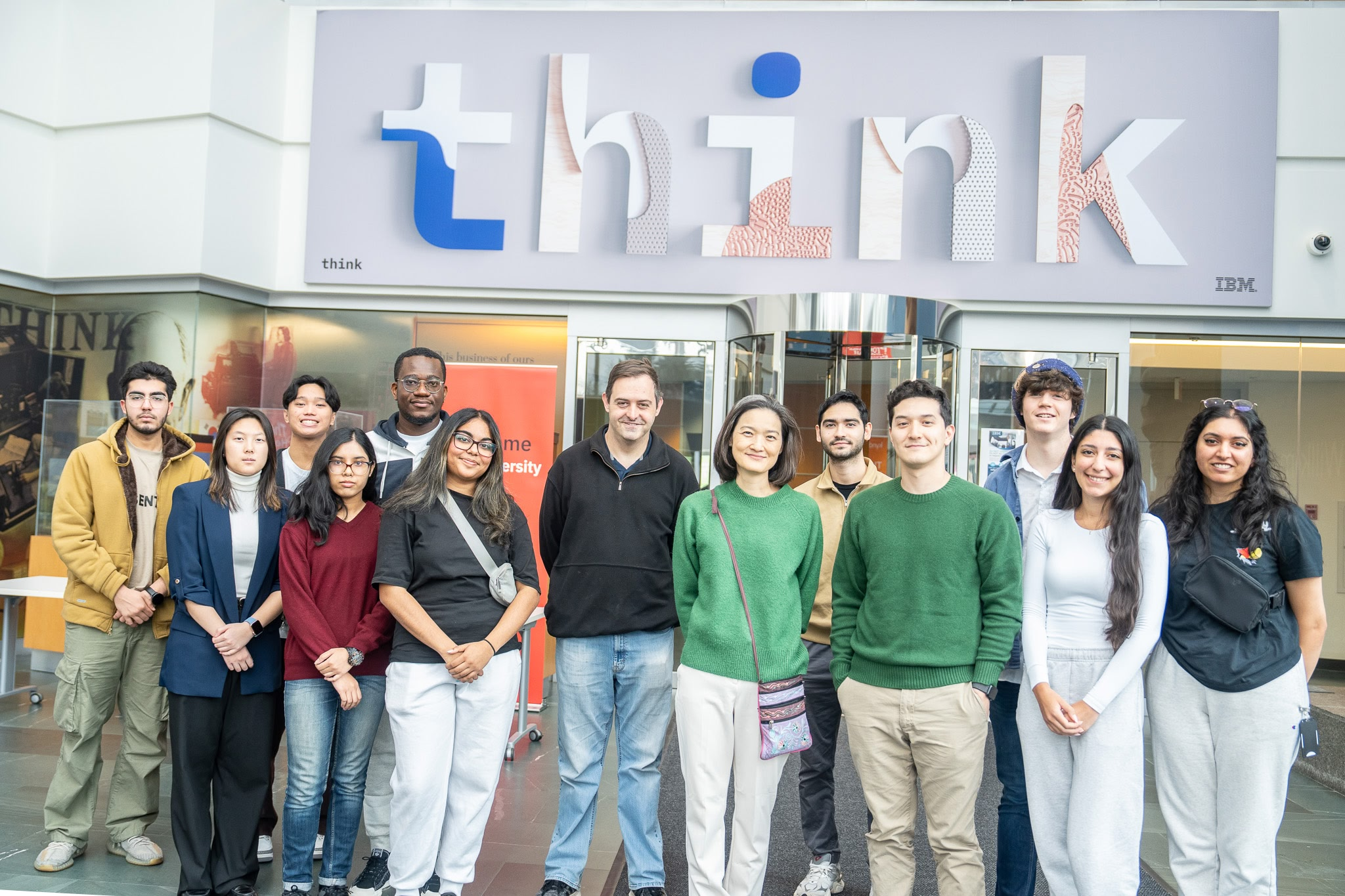
It’s all about opening doors to those who simply wouldn’t have the time or money to pursue a degree. Our work-integrated program will transform the future of learning and employment in Canada.
— Jane Goodyer, Dean, Lassonde School of Engineering

Work-integrated learning
A full degree, designed differently
Digital Technologies runs year-round, with three academic terms each year. The program is designed to help you balance degree-level study with full-time work, with 30 credits annually keeping you on track to complete your Bachelor of Applied Science (BASc) in four years.
Some courses are completed through academic study, while others combine university learning with your workplace experience. This gives you opportunities to put new ideas into practice on the job and bring what you encounter at work back into your studies.
Throughout the four years, you’ll develop a portfolio that documents your academic, professional and personal growth. Projects, presentations, workshops, feedback and workplace assessments will help you reflect on your progress and continue developing your skills. It’s part of what we call learning amplification: what you experience at work can deepen your learning at university, while new ideas and knowledge from your studies can add value back in the workplace.
Along the way, you’ll develop more than technical expertise. You’ll strengthen skills in communication, teamwork, leadership and project management while exploring the social, ethical and professional dimensions of digital technology.
Just over half of Digital Technologies students enter directly from high school, while others are making a career transition, bringing different experiences, perspectives and skills to the classroom.
Employer partners include:
- Alstom
- BMO
- Dayforce
- IBM Canada
- Ontario Power Generation
- Shopify

29
96%
An average of $25/hr
Partners
GTA-based employers

Your journey to Digital Technologies
Still waiting on an employment opportunity? You can accept an offer to another program and continue applying for Digital Technologies positions as they become available. If you secure a position, we’ll help you switch into Digital Technologies.
Launch your career in Digital Technologies
In demand across every industry
Digital Technologies students are already building their careers across sectors, including health care, finance, government, transportation, manufacturing and tech.
Where our students work
BMO
Information security professional
Alstom / ONxpress
Cybersecurity designer, ICC system designer apprentice
Shopify
Software engineering intern
IBM
Software developer, data & AI engineer
Why this career is future-proof
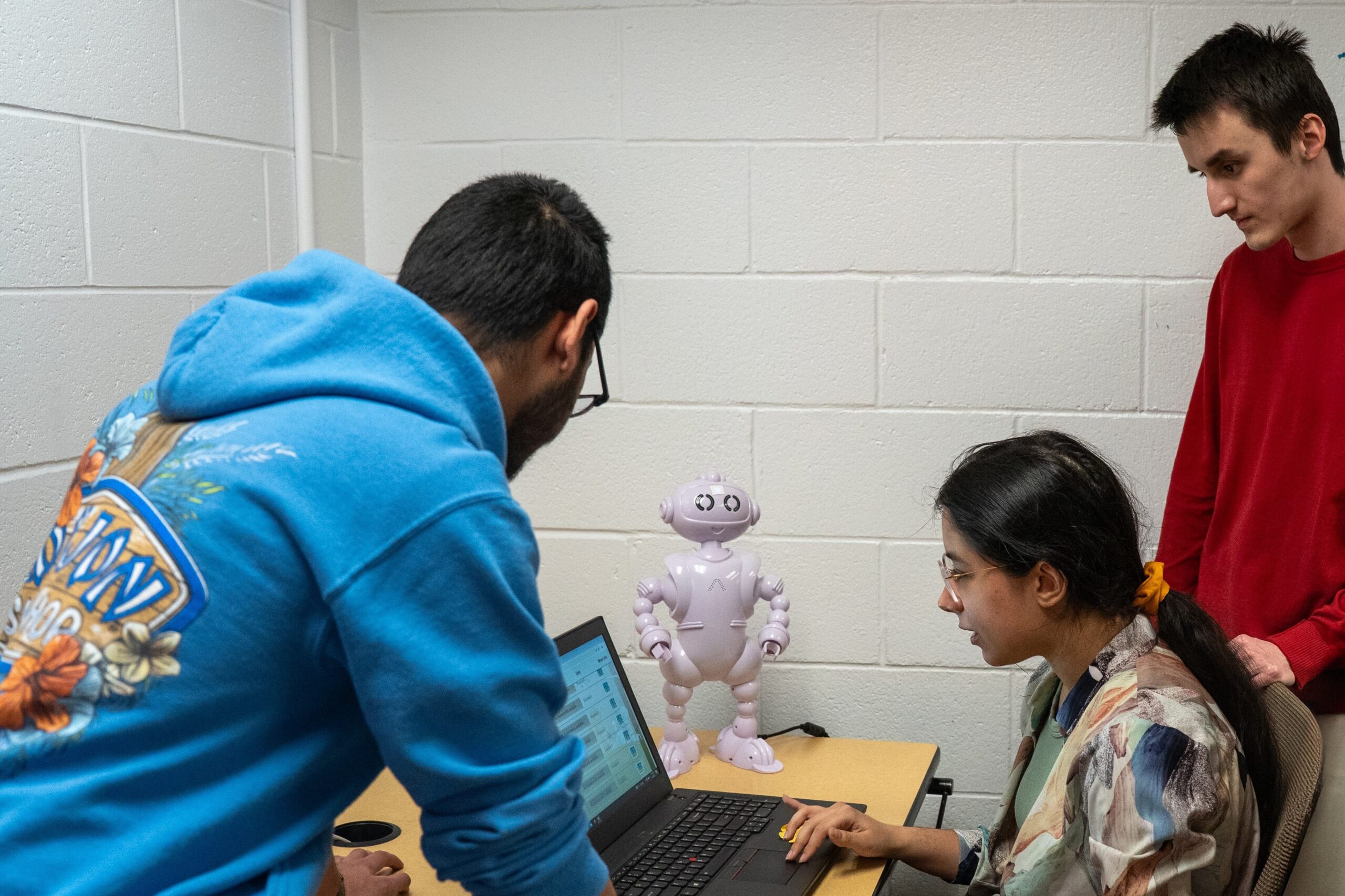
Demand for digital talent continues to grow as organizations adopt AI, advanced computing and other digital technologies. Canada is facing a projected shortfall of 60,000 digital-industrial roles needed to meet 2030 targets, while 71% of employers report difficulty finding skilled talent.* With skills spanning software development, cybersecurity and data science, Digital Technologies students and graduates can bring sought-after expertise to virtually every sector.
*Sources: ISED, Advanced Manufacturing Strategy, 2026; ICTC, Digital Economy Outlook, 2025; ManpowerGroup Canada, Talent Shortage Report, 2026.
Learn from exceptional faculty
Learn from professors who bring expertise in the technologies shaping today’s digital world. Larry Yueli Zhang explores social networks and how computing is taught and learned, while Marios Fokaefs researches software evolution, DevOps, cloud computing and intelligent, self-adapting systems. Their expertise connects your studies to how technology is evolving and being applied in the workplace.
Important information for applicants
How to apply
Apply to Digital Technologies (BASc) through the Ontario Universities’ Application Centre (OUAC) or York University’s application. The OUAC program code is YTA.
Digital Technologies has a unique admissions process because employment is integrated into the degree. After applying to the program, you’ll have access to employment opportunities with participating employers. You can continue applying for positions as they become available, even if you’ve accepted an offer to another program. If you secure a position, we can help you switch into Digital Technologies.
Once you meet the academic admission requirements and receive an employment offer from a participating employer, you’ll be ready to begin the fully work-integrated portion of the program.
Already working?
You may be able to complete the program with your current employer. Ask them to explore becoming a Digital Technologies partner.
Tuition & fees
Tuition fees vary by year and student status. Visit York University for current tuition rates, ancillary fees and other financial information.
During the work-integrated portion of the program, you’ll work in a paid, full-time role. Salaries and benefits vary by employer and position.
Important dates
Applications for Fall 2027 open in fall 2026. Digital Technologies is available for Fall entry only.
Employment opportunities are posted from January through July, with employers inviting selected candidates for interviews and making employment offers throughout the recruitment period.
View York University’s undergraduate application deadlines
Program requirements
For Ontario high school students, admission requirements include:
- Ontario Secondary School Diploma (OSSD)
- ENG4U
- MHF4U
- Four additional 4U or M courses
- One additional 4U Mathematics course is recommended
- No prerequisite course below 75%
Admission also requires an employment offer from a participating employer. Requirements vary depending on your academic background. Visit York University to find the requirements that apply to you.
View admission requirements
View transfer student requirements
Course details
Sample schedules
Digital Technologies BASc
Year One Common Core
Fall Term
• Class • Lab • Tutorial
Mon
Teamwork and Communication in Software Development
Teamwork and Communication in Software Development
Introduction to Computational Problem Solving
Introduction to Computational Problem Solving
Tues
General Mathematics for Software Development
Introduction to Computational Problem Solving
Wed
Teamwork and Communication in Software Development
Teamwork and Communication in Software Development
Introduction to Computational Problem Solving
Introduction to Computational Problem Solving
Being a Digital Citizen
Thurs
General Mathematics for Software Development
General Mathematics for Software Development
Introduction to Computational Problem Solving
Fri
Introduction to Computational Problem Solving
Digital Technologies BASc
Year One Common Core
Winter Term
• Class • Lab • Tutorial
Mon
Teamwork and Communication in Software Development
Teamwork and Communication in Software Development
Mobilizing Digital Citizenship
Tues
Wed
Teamwork and Communication in Software Development
Teamwork and Communication in Software Development
Introduction to Business
Thurs
Fri
Digital Technologies BASc
Year One Common Core
Summer Term
• Class • Lab • Tutorial
Mon
Object-Oriented Problem Solving
Object-Oriented Problem Solving
Web Development Basics
Tues
Wed
Object-Oriented Problem Solving
Object-Oriented Problem Solving
Web Development Basics
Thurs
Technology Leadership & Professional Reflection 1
Web Development Basics
Fri
Object-Oriented Problem Solving
Object-Oriented Problem Solving
Web Development Basics
Digital Technologies BASc
Year Two Common Core
Fall Term
• Class • Lab • Tutorial
Mon
Principles of Operating Systems
Introduction to Computer Organization & Systems
Introduction to Computer Organization & Systems
Tues
Wed
Principles of Operating Systems
Introduction to Computer Organization & Systems
Introduction to Computer Organization & Systems
Thurs
Fri
Digital Technologies BASc
Year Two Common Core
Winter Term
• Class • Lab • Tutorial
Mon
Introduction to Computer Organization & Systems
Introduction to Computer Organization & Systems
Tues
Introduction to Data Science
Introduction to Data Science
Introduction to Data Science
Wed
Introduction to Data Science
Introduction to Data Science
Thurs
Fri
Digital Technologies BASc
Year Two Common Core
Summer Term
• Class • Lab • Tutorial
Mon
Data Structures, Algorithms & Analysis
Data Structures, Algorithms & Analysis
Tues
Practice of Software Development
Practice of Software Development
Security Fundamentals
Security Fundamentals
Wed
Data Structures, Algorithms & Analysis
Data Structures, Algorithms & Analysis
Security Fundamentals
Security Fundamentals
Thurs
Practice of Software Development
Security Fundamentals
Technology Leadership & Professional Reflection 2
Fri
Data Structures, Algorithms & Analysis
Security Fundamentals
Looking for more? Browse upper-year courses
Connect with Us
Join a community of change makers. Join Lassonde.
Learn more about the Integrated Program in Digital Technologies