


Electrical Engineering
Bachelor of Engineering (BEng), Accredited by the Canadian Engineering Accreditation Board
Power the technologies shaping the future
Entry in:
Fall and Winter
Launch your career
Build in-demand engineering skills with leading employers
Guided by innovators
Collaborate and learn from faculty shaping the future
Program overview
Electrical engineering is at the heart of many technologies that transform the way we live, work and connect. Whether developing sustainable energy solutions, life-saving medical devices, or advanced communication systems, electrical engineers play a key role in solving real-world challenges. As AI becomes increasingly embedded in technology, the demand for engineers who can design intelligent, efficient and innovative systems continues to grow.
Through hands-on labs, design projects and collaborative learning experiences, you’ll build a strong foundation in electrical engineering while exploring areas such as power electronics, signal processing, embedded systems and medical device design. Along the way, you’ll develop the skills to solve complex challenges in an increasingly connected world.
You’ll also become part of a close-knit and supportive community where you can connect with classmates, learn alongside peers and build friendships that last beyond university. Our specialized spaces give you opportunities to experiment, collaborate and turn ideas into working solutions, whether you’re working in robotics, microelectronics or medical technologies.
The Electrical Engineering program prepares you to help shape the future of technology while building meaningful connections, valuable experiences and a strong sense of belonging from day one.

Why Electrical Engineering at Lassonde
Engineering Block Model option
You can choose to start your journey in the Engineering Block Model, a first-year experience built to support both your learning and your sense of belonging.
Instead of balancing several courses at once, you will focus on one subject at a time, helping you stay present and fully engaged. Many students find this approach helps them feel more confident early on.
Integrating AI into modern solutions
Students are at the center of learning, working directly with AI experts whose research and real-world projects shape every class.
What does this mean? It means lessons stay fresh, practical and connected to the latest breakthroughs happening in AI today. Students gain practical, in-demand skills while building the confidence to experiment, innovate and lead in a rapidly evolving world.
Student support & community
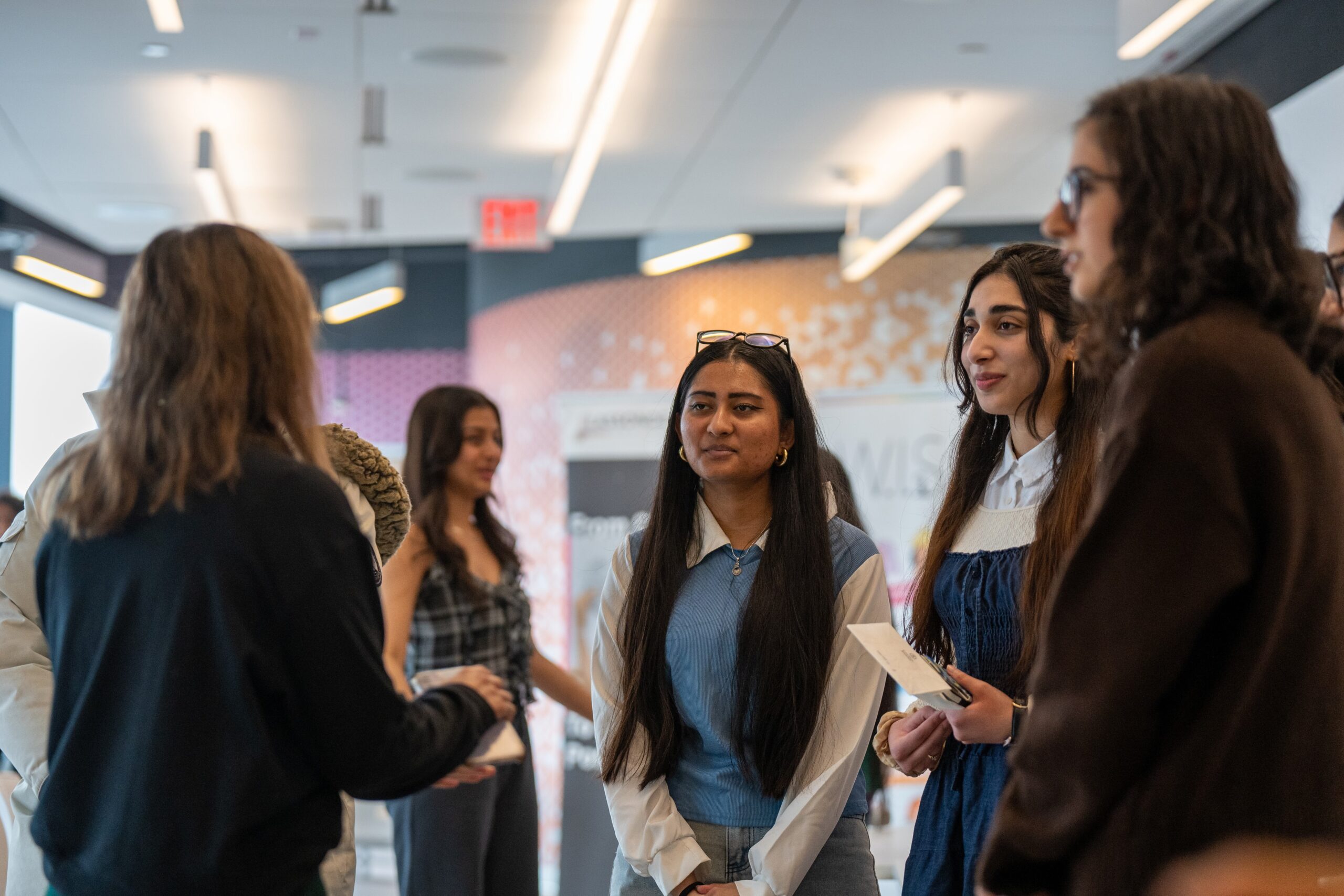
Through student clubs and communities, you will gain hands-on experience, build professional networks and develop key skills.
Groups such as WiCSE offer mentorship, scholarships and career support. These experiences strengthen communication, collaboration and leadership skills through real-world, industry-focused challenges. Learn more about our student clubs and organizations

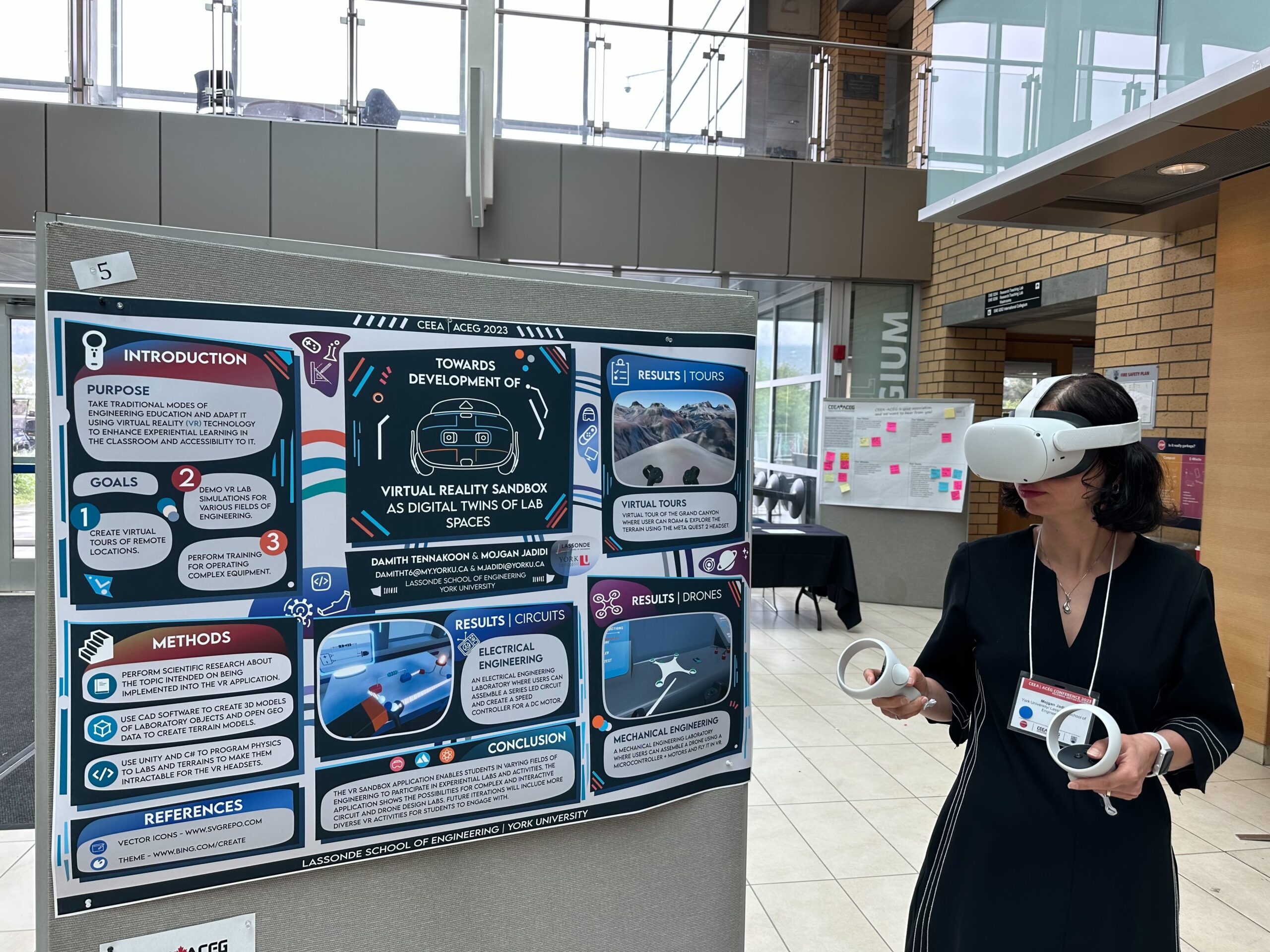
Hands-on learning & lab experiences
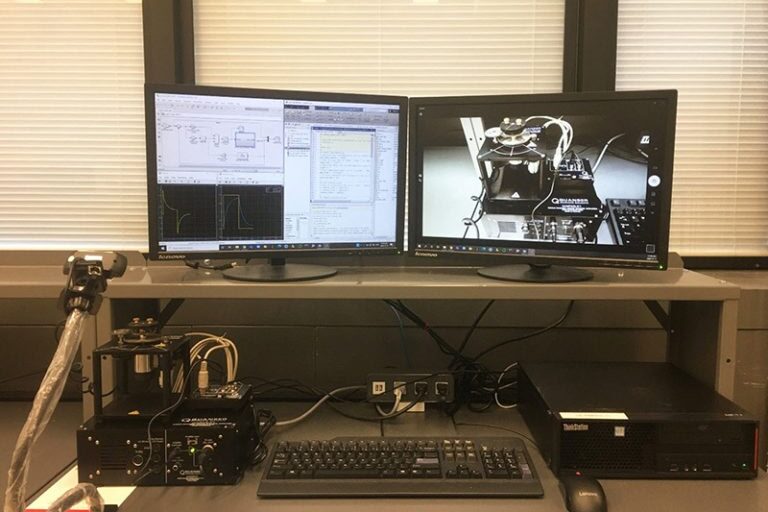
Digital Support Lab
Equipped with advanced measurement and design tools, the lab supports hands-on learning in areas such as digital logic, embedded systems, computer architecture, very-large-scale integration (VLSI), the Internet of Things (IoT) and wireless communications, providing the space and industry-standard equipment to design, build and test digital computing devices.
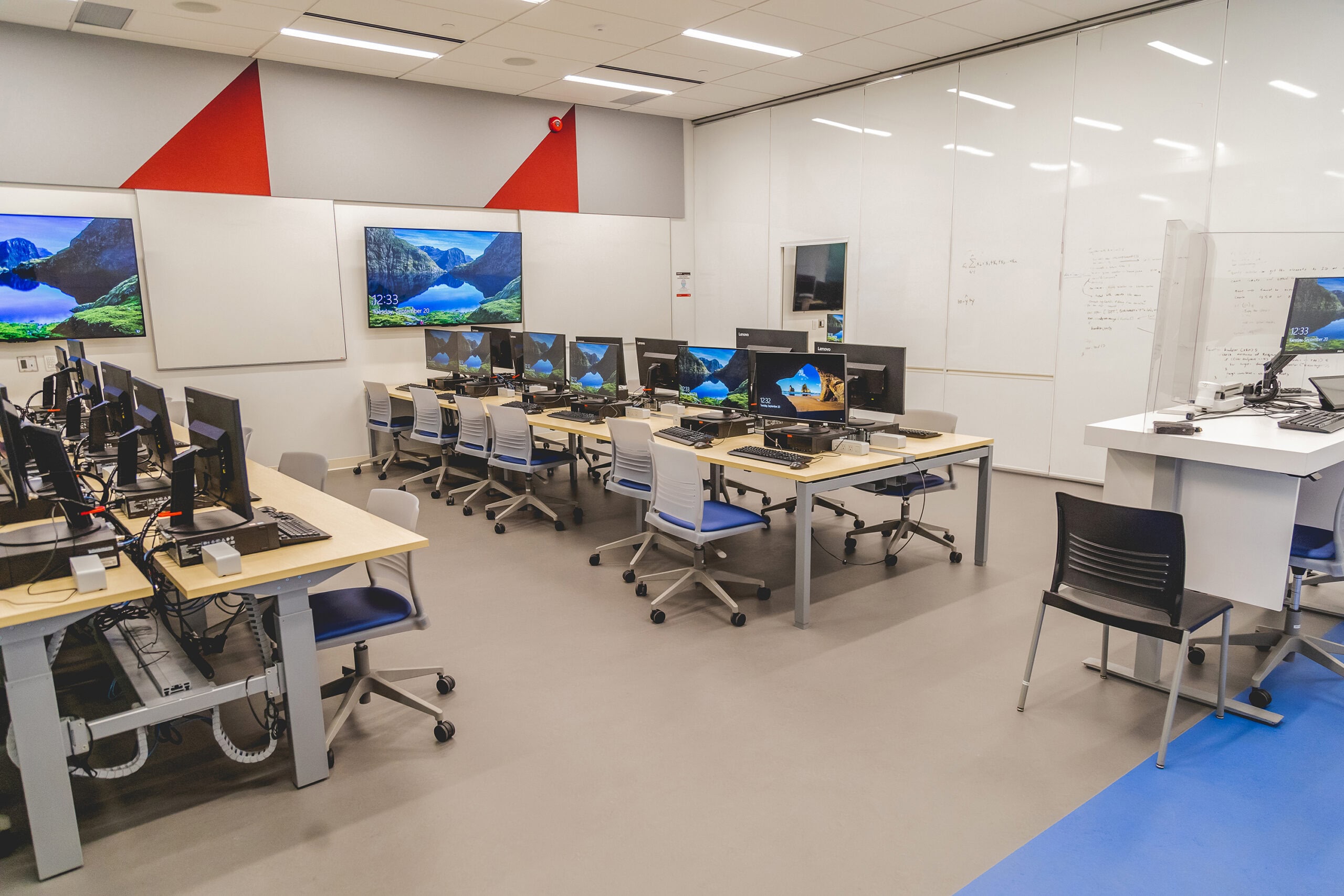
William Small Centre Labs
Used in core courses like programming in Python and Java, object oriented programming, web development with HTML CSS and JavaScript and introductory computing concepts, the labs provide the essential tools and environment to learn by doing.
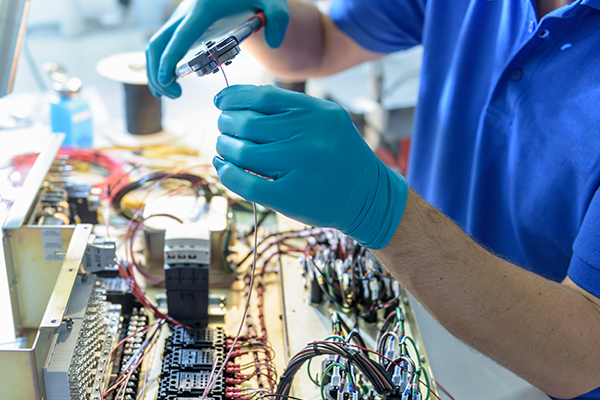
The Power Systems Support Lab
Used in courses focused on power engineering, distributed energy networks and sustainable energy systems, this lab provides hands-on experience using industry-standard power measurement tools and workstations to analyze, test and manage real-world electrical power systems.
Through collaboration and a commitment to innovation that serves society, we’re strengthening opportunities and accelerating meaningful change.
— Jane Goodyer, Dean, Lassonde School of Engineering, York University

Work-integrated learning
Gain industry experience with paid work terms
Through Lassonde’s co-op program, co-op work terms begin after your second year, with students applying in year two. This makes first year an important time to build your academic foundation and technical skills.
From there, you’ll take on paid work terms across technology, finance, public service, research, and other areas where software engineering plays a key role. With flexible 4, 8, or 12-month placements, you can tailor your experience to your goals while building in-demand skills, growing your network, and exploring what excites you most about your future career, all while being supported at every step.
Notable co-op employers
- Hydro One
- Toronto Hydro
- Ontario Power Generation
- Aecon Group
- Dragados

500+

An average of $29/hr
Co-op employers
Work around the world

Launch your career in the Electrical Engineering industry
In demand across every industry
Graduates of our program have gone on to build careers across all sectors, including healthcare, finance, government, transportation, manufacturing and tech.
Where our grads work
IBM Canada
Software developer, embedded systems programmer, electrical project engineer
RBC
control systems engineer, security engineer, full-stack developer
CIBC
Site reliability engineer, electrical systems engineer, design engineer
Hydro One
Project engineer, systems specialist, electrical engineer, test engineer
Spectra Engineering Ltd.
Electrical designer, controls engineer, project engineer
Toronto Hydro
Electrical engineer, applied machine engineering, controls engineer
Why this career is future-proof
As AI transforms electrical engineering, the field is becoming more innovative and design-focused. With routine analysis and optimization tasks increasingly automated, you’ll focus on solving complex engineering challenges, applying critical thinking and creating intelligent systems that power and connect the modern world.
In this program, you’ll build a strong foundation in electrical engineering, exploring areas such as electronics, embedded systems, communications, power systems and control technologies. You’ll develop the technical expertise and adaptability needed to work alongside emerging technologies, design reliable and efficient solutions and help shape the future of intelligent infrastructure and connected devices.
Learn from exceptional faculty
You will learn from faculty working in a variety of dynamic areas, bringing new ideas directly into your courses. You’ll begin to understand not just how systems work, but how they are experienced in the real world.
With top-ranked faculty in AI, research becomes part of your everyday experience. Through projects, mentorship and collaboration, you’ll explore ideas and systems that are actively shaping the future of technology.
Important information for applicants
Course details
Sample First-Year Schedules
Electrical Engineering (B.Eng)
Year One Common Core
Fall Term
• Class • Lab • Tutorial
Mon
Applied Linear Algebra
Computational Thinking Through Procedural Programming & Mechatronics
Engineering Mechanics
Engineering Mechanics
Tues
Applied Calculus I
Renaissance Engineer 1: Ethics, Communication & Problem Solving
Wed
Applied Linear Algebra
Computational Thinking Through Procedural Programming & Mechatronics
Engineering Mechanics
Thurs
Applied Calculus I
Computational Thinking Through Procedural Programming & Mechatronics
Renaissance Engineer 1: Ethics, Communication & Problem Solving
Fri
Applied Linear Algebra
Engineering Mechanics
Engineering Mechanics
Electrical Engineering (B.Eng)
Year One Common Core
Winter Term
• Class • Lab • Tutorial
Mon
Applied Calculus II
Electricity, Magnetism and Optics for Engineers
Chemistry and Materials Science for Engineers
Discrete Mathematics for Engineers
Tues
Chemistry and Materials Science for Engineers
Renaissance Engineer 2: Engineering Design Principles
Object-Oriented Programming & Telemetry as Engineering Cornerstones
Wed
Applied Calculus II
Electricity, Magnetism and Optics for Engineers
Discrete Mathematics for Engineers
Discrete Mathematics for Engineers
Thurs
Chemistry and Materials Science for Engineers
Electricity, Magnetism and Optics for Engineers
Renaissance Engineer 2: Engineering Design Principles
Fri
Applied Calculus II
Electricity, Magnetism and Optics for Engineers
Electricity, Magnetism and Optics for Engineers
Chemistry and Materials Science for Engineers
Object-Oriented Programming & Telemetry as Engineering Cornerstones
Connect with Us
Join a community of change makers. Join Lassonde.